Experiencing sore muscles after a workout? This guide offers quick, actionable tips to speed up your recovery. Learn how to effectively manage discomfort through immediate relief strategies like cold and heat therapy, optimize your recovery with proper nutritional support, prioritize crucial rest, and utilize topical treatments. By following these practical steps, you can effectively help sore muscles heal faster and get back to your routine stronger and more comfortable.
Quick Tips How To Help Sore Muscles Recover Fast
There’s a familiar feeling that often follows a great workout, an intense hike, or even a vigorous session of gardening: sore muscles. This phenomenon, known as Delayed Onset Muscle Soreness (DOMS), typically kicks in 24-72 hours after physical activity. While it’s a sign that your muscles are adapting and getting stronger, it can certainly put a damper on your daily activities and subsequent training.
But what if you could significantly reduce that discomfort and speed up your recovery? You absolutely can! This comprehensive guide will walk you through practical, science-backed strategies to help sore muscles recover fast, so you can bounce back quicker, feel better, and stay consistent with your active lifestyle. We’ll cover everything from immediate relief techniques to long-term prevention, ensuring you have all the tools to effectively deal with sore muscles.
Key Takeaways
- Embrace Immediate Relief: Utilize both cold therapy (ice, cold baths) to reduce initial inflammation and heat therapy (warm baths, heating pads) to promote blood flow and muscle relaxation for effective relief from sore muscles.
- Move Gently & Stretch Wisely: Engage in light, active recovery (walking, gentle cycling) and perform dynamic stretches before workouts, saving static stretches for after. Incorporate foam rolling to target tight spots and help alleviate sore muscles.
- Fuel Your Recovery: Stay well-hydrated and consume a balanced diet rich in protein for muscle repair, complex carbohydrates for energy replenishment, and anti-inflammatory foods (berries, leafy greens) to support overall healing and help your sore muscles.
- Prioritize Rest & Quality Sleep: Understand that deep sleep is when your body does most of its repair work. Adequate rest is non-negotiable for muscle recovery and allowing your body to effectively deal with sore muscles.
- Utilize Topical Aids & Tools: Explore topical pain relief creams, Epsom salt baths, and various massage techniques (manual, percussive guns) to directly target and soothe sore muscles, enhancing comfort and promoting faster recovery.
- Prevent Future Soreness: Prevent recurring sore muscles by gradually increasing workout intensity, incorporating proper warm-ups and cool-downs, listening to your body, and cross-training to avoid overstressing specific muscle groups.
Step 1: Understand Delayed Onset Muscle Soreness (DOMS)
Before we dive into how to help sore muscles, it’s helpful to understand what’s actually happening in your body. DOMS is not caused by lactic acid buildup, as once believed. Instead, it’s primarily a result of microscopic tears in your muscle fibers and the subsequent inflammatory response.
What Causes Sore Muscles?
- Eccentric Movements: These are movements where your muscles lengthen under tension (e.g., the lowering phase of a bicep curl, running downhill, or the downward motion of a squat). These types of movements are particularly effective at stimulating muscle growth but also highly effective at causing sore muscles.
- New Exercises or Increased Intensity: When you introduce a new exercise, significantly increase the intensity or duration of your workout, or use muscles in an unfamiliar way, your body isn’t accustomed to the stress, leading to more pronounced sore muscles.
Is DOMS Good or Bad?
Generally, DOMS is a normal and healthy sign of muscle adaptation. It indicates that your muscles are undergoing a process of repair and rebuilding, making them stronger and more resilient. However, excessive or debilitating pain that lasts too long could be a sign of overtraining or injury. Our focus here is on managing normal, temporary sore muscles.
Step 2: Implement Immediate Relief Strategies
When those sore muscles hit, your first thought is usually, “How can I feel better now?” Here are some go-to immediate relief techniques.

Visual guide about Quick Tips How To Help Sore Muscles Recover Fast
Image source: avogel.co.uk
Utilize Cold Therapy to Reduce Inflammation
Cold therapy works by constricting blood vessels, which reduces blood flow to the affected area. This helps minimize swelling and inflammation, often associated with the early stages of sore muscles.
- Ice Packs: Apply an ice pack (wrapped in a thin towel) to the most affected areas for 15-20 minutes at a time, several times a day. This is excellent for localized sore muscles.
- Cold Baths or Showers: A quick cold shower (3-5 minutes) or an ice bath (submerging affected areas in cold water for 5-10 minutes) can be highly effective for widespread muscle soreness. Start gradually to get accustomed to the cold.
Apply Heat Therapy to Enhance Blood Flow
After the initial inflammation subsides (usually 24-48 hours after activity), heat therapy can become your best friend. Heat dilates blood vessels, increasing blood flow, which brings oxygen and nutrients to the sore muscles and helps remove waste products.
- Warm Baths or Showers: A warm bath, especially with Epsom salts (discussed later), can be incredibly soothing for widespread sore muscles.
- Heating Pads: Apply a heating pad to specific sore areas for 15-20 minutes. Ensure it’s not too hot to avoid burns.
- Sauna/Steam Room: Some find relief in the warmth of a sauna or steam room, which can help relax tense muscles.
Engage in Gentle Movement and Stretching
While rest is important, complete immobility can sometimes make sore muscles feel stiffer. Gentle movement can help.
- Light Active Recovery: Activities like a leisurely walk, gentle cycling, or swimming can increase blood flow to your muscles without putting too much stress on them. This helps “flush out” metabolic waste and brings fresh nutrients to your sore muscles.
- Dynamic Stretching (Pre-Workout): These are movements that take your joints and muscles through a full range of motion. Examples include arm circles, leg swings, and torso twists. Do these before your workout to warm up muscles and potentially lessen the severity of sore muscles later.
- Static Stretching (Post-Workout/During Recovery): Hold stretches for 20-30 seconds after your muscles are warm, ideally after your workout or during a dedicated recovery session. Focus on the muscle groups that feel most tight or that you expect to become sore. Avoid aggressive stretching when muscles are acutely sore, as this could worsen the micro-tears.
- Foam Rolling or Self-Myofascial Release: Using a foam roller, massage ball, or even a tennis ball can help release tension, improve circulation, and break up knots in your muscles. Roll slowly over the affected areas, pausing on tender spots for 20-30 seconds. This can be intense but very effective for reducing sore muscles.
Step 3: Support Recovery with Optimal Nutrition
What you put into your body plays a critical role in how quickly your muscles repair and recover. Proper nutrition is key to help sore muscles heal efficiently.
Visual guide about Quick Tips How To Help Sore Muscles Recover Fast
Image source: cyvigor.com
Stay Hydrated
Water is essential for nearly every bodily function, including nutrient transport and waste removal. Dehydration can exacerbate muscle soreness and impair recovery.
- Drink Plenty of Water: Aim for at least 8-10 glasses of water throughout the day, more if you’re exercising intensely.
- Electrolytes: For prolonged or intense workouts, consider electrolyte-rich beverages to replenish lost minerals like sodium and potassium, which are crucial for muscle function.
Consume Adequate Protein
Protein is the building block of muscle. After a workout, your muscles need protein to repair the microscopic tears and grow stronger. This is crucial to help sore muscles recover.
- High-Quality Protein Sources: Include lean meats (chicken, turkey, beef), fish, eggs, dairy (Greek yogurt, cottage cheese), legumes, and plant-based proteins (tofu, tempeh) in your diet.
- Post-Workout Protein: Aim for 20-30 grams of protein within a few hours after your workout to kickstart the repair process.
Replenish with Carbohydrates
Carbohydrates are your body’s primary fuel source. After exercise, your glycogen stores (stored carbs in muscles) are depleted. Replenishing these stores is vital for energy and recovery.
- Complex Carbohydrates: Opt for whole grains, fruits, and vegetables. These provide sustained energy and essential nutrients.
Incorporate Anti-Inflammatory Foods
Since inflammation is part of the DOMS process, eating foods that naturally reduce inflammation can be beneficial to help sore muscles.
- Omega-3 Fatty Acids: Found in fatty fish (salmon, mackerel), flaxseeds, and walnuts. These have powerful anti-inflammatory properties.
- Antioxidant-Rich Fruits & Vegetables: Berries, cherries, leafy greens (spinach, kale), turmeric, and ginger can help combat oxidative stress and inflammation.
Consider Supplements (If Needed)
While a balanced diet is paramount, certain supplements might offer additional support, but always consult with a healthcare professional before starting any new supplement.
- BCAAs (Branched-Chain Amino Acids): Some studies suggest BCAAs can help reduce muscle damage and sore muscles.
- Creatine: Known for improving strength and power, creatine can also aid in recovery by promoting muscle repair.
- Magnesium: Important for muscle relaxation and preventing cramps. Often taken as a supplement or absorbed through Epsom salt baths.
- Turmeric/Curcumin: A powerful natural anti-inflammatory that can help alleviate pain from sore muscles.
Step 4: Prioritize Rest and Quality Sleep
Often overlooked, rest and sleep are arguably the most crucial components of muscle recovery. Your body performs its most significant repair work while you’re at rest.
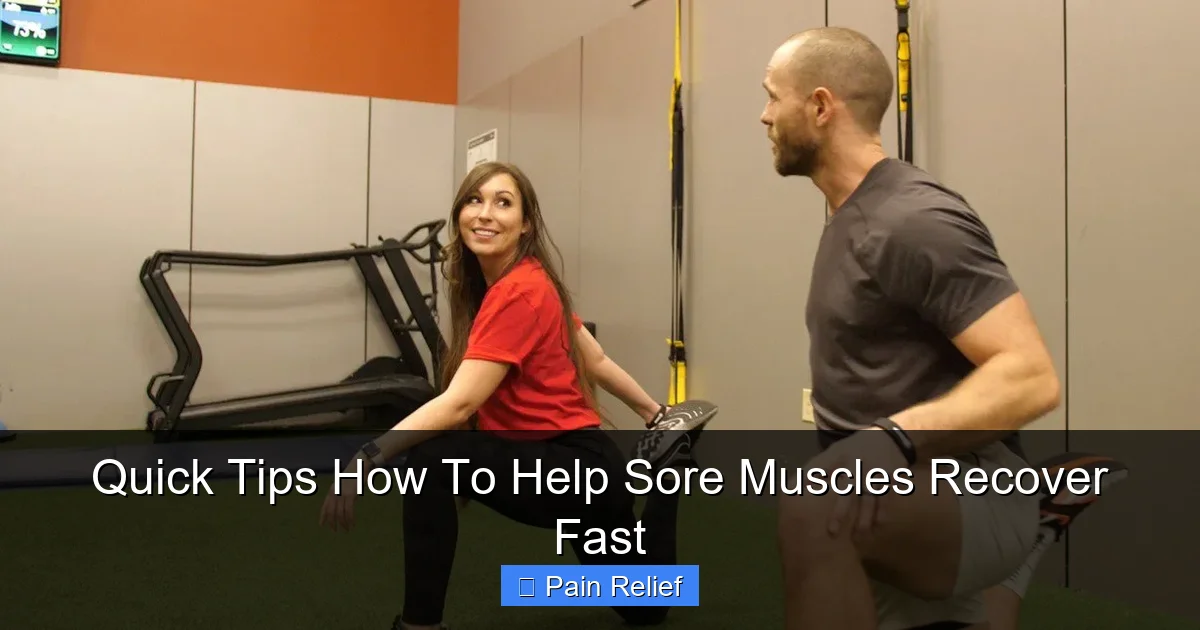
Visual guide about Quick Tips How To Help Sore Muscles Recover Fast
Image source: 10fitness.com
The Power of Sleep
During deep sleep, your body releases human growth hormone (HGH), which is vital for tissue repair and muscle growth. Insufficient sleep can impair this process, prolonging the discomfort of sore muscles.
- Aim for 7-9 Hours: Ensure you’re getting adequate, quality sleep each night. Establish a consistent sleep schedule.
- Create a Relaxing Environment: A dark, quiet, and cool room promotes better sleep.
Active Recovery Days
While “rest” implies inactivity, active recovery often helps more than just sitting around. Light movement helps blood flow without stressing the sore muscles.
- Gentle Activities: Yoga, Pilates, light stretching, or a leisurely swim can improve circulation, enhance flexibility, and reduce stiffness in sore muscles.
Elevate Limbs (If Swelling is Present)
If you experience significant swelling in a limb due to very intense activity, elevating it above heart level can help reduce fluid buildup and alleviate pressure, thus helping with very sore muscles.
Step 5: Utilize Topical Treatments and Recovery Tools
Sometimes you need direct action to soothe those tender spots. A variety of topical treatments and tools can help.
Topical Pain Relievers
Over-the-counter creams, gels, and patches can provide targeted relief directly to sore muscles.
- Menthol or Camphor: Products like Biofreeze or Icy Hot create a cooling or warming sensation that distracts from pain and can increase localized blood flow.
- Capsaicin: Derived from chili peppers, capsaicin creates a warming sensation and can deplete substance P, a neurotransmitter that transmits pain signals. Use with caution as it can irritate skin.
- Arnica Cream: A homeopathic remedy often used for bruising and muscle soreness.
Epsom Salt Baths
Epsom salt (magnesium sulfate) is absorbed through the skin and is believed to help relax muscles and reduce inflammation. Magnesium is also vital for muscle function and recovery.
- How to Use: Add 1-2 cups of Epsom salts to a warm bath and soak for 20-30 minutes. This is especially good for widespread sore muscles.
Massage Therapy
Massage helps increase blood flow, reduce muscle tension, and can help break up adhesions that contribute to sore muscles.
- Professional Massage: A deep tissue or sports massage from a qualified therapist can be incredibly beneficial.
- Self-Massage Tools: Foam rollers, massage sticks, lacrosse balls, and handheld electric massagers (percussive therapy guns) allow you to target specific areas effectively and manage your sore muscles at home.
Compression Garments
Some athletes find relief and faster recovery using compression garments (sleeves, socks, tights). These are thought to improve blood circulation, reduce muscle oscillation during activity (potentially reducing damage), and help flush out waste products.
- When to Use: Wear them during or after workouts. While evidence is mixed on their direct impact on DOMS, many individuals report feeling better and experiencing less severe sore muscles.
Step 6: Implement Prevention Strategies for Future Workouts
The best way to deal with sore muscles is to prevent them from becoming debilitating in the first place. These long-term strategies are crucial for sustained fitness and comfort.
Gradual Progression
Don’t do too much too soon! Your muscles need time to adapt to new demands. This is arguably the most important prevention strategy for sore muscles.
- Increase Load Gradually: Whether it’s weight, duration, or intensity, increase your workout load by no more than 10% each week.
- Introduce New Exercises Slowly: When starting a new routine or exercise, begin with lower intensity and fewer repetitions, gradually building up.
Proper Warm-up
A good warm-up prepares your muscles, raises your body temperature, and increases blood flow to working muscles.
- Light Cardio: 5-10 minutes of light cardio (jogging, jumping jacks).
- Dynamic Stretches: Follow with dynamic stretches targeting the muscles you’ll be using.
Cool-down
A cool-down helps bring your heart rate down gradually and can improve flexibility, potentially reducing the severity of sore muscles.
- Gentle Cardio: 5-10 minutes of light cardio.
- Static Stretches: Perform static stretches, holding each for 20-30 seconds.
Listen to Your Body
Learn to differentiate between “good” muscle soreness and pain that signals an injury.
- Soreness vs. Pain: DOMS is typically a dull ache that improves with movement. Sharp, localized pain, swelling, bruising, or pain that worsens with movement could indicate an injury and needs attention.
Cross-Training
Varying your workouts can prevent overuse of specific muscle groups and reduce the likelihood of chronic sore muscles in the same areas.
- Mix It Up: Combine strength training with cardio, yoga, Pilates, or swimming.
Troubleshooting: When to See a Doctor
While DOMS is usually harmless and resolves on its own, there are instances where you should seek medical advice to ensure you properly help sore muscles that might be indicative of a deeper issue.
- Severe Pain: If the pain is debilitating or prevents you from performing daily tasks.
- Excessive Swelling: If swelling is significant, persistent, or accompanied by warmth and redness.
- Limited Range of Motion: If you cannot fully extend or bend a joint, or if movement is severely restricted.
- Numbness or Tingling: These could indicate nerve compression.
- Pain Lasting More Than 5-7 Days: Normal DOMS typically resolves within this timeframe.
- Dark Urine: In very rare cases, extreme muscle breakdown (rhabdomyolysis) can occur, leading to dark, cola-colored urine. This is a medical emergency.
If you experience any of these symptoms, especially after a particularly intense workout, it’s best to consult with a doctor or physical therapist.
Conclusion
Sore muscles are a natural part of challenging your body and making progress. However, by proactively implementing these quick tips, you don’t have to suffer through the recovery process. From immediate relief strategies like cold and heat therapy, to nourishing your body with proper nutrition, prioritizing crucial sleep, and utilizing effective recovery tools, you have a powerful arsenal to help sore muscles bounce back faster.
Remember, consistency is key. By making these recovery practices a regular part of your routine, you’ll not only alleviate discomfort but also enhance your body’s ability to adapt, grow stronger, and perform better in the long run. So, embrace these strategies, listen to your body, and keep moving towards your fitness goals with less pain and faster recovery!
🎥 Related Video: Heal Soreness Faster
📺 Hybrid Calisthenics
Here’s a quick tip to heal muscle soreness faster that I’ve used for years! It seems obvious to some, but others take their sleep as …