You might have heard that massage only feels nice or that it can fix every ache overnight. Those ideas leave out important facts and can stop you from getting the right care. Massage can reduce stress, ease some kinds of pain, and support recovery when done by a qualified therapist, but it is not a cure-all.
This post will clear up common myths and give practical, evidence-based facts so you can decide when and how massage helps you. Expect simple explanations about who benefits, what to expect during a session, safety concerns, and realistic limits to results.
Key Takeaways
- Learn which common beliefs about massage are true and which are myths.
- Know when massage can help and when to seek medical advice instead.
- Find what to expect from a safe, professional massage session.
Common Misconceptions About Massage Therapy
Massage helps more than calm nerves. It can aid recovery, ease muscle tension, and support range of motion. Understanding what massage can and cannot do helps people choose the right type and set realistic expectations.
Massage Therapy Is Only for Relaxation
Many assume massage only soothes stress. While relaxation is a common goal, therapists also treat muscle tightness, improve circulation, and reduce joint stiffness. Clinical massage can follow injury, target specific muscles, or help manage chronic pain.
Clients get different results based on technique, session length, and therapist training. A 60-minute therapeutic session focused on a sore shoulder will look very different from a 60-minute relaxation massage. Goals should be stated before the session so the therapist can tailor pressure, strokes, and focus areas.
Massage Always Hurts
Some people expect pain during effective massage. Discomfort does not equal effectiveness. Gentle, precise work often yields better results than forcing deep pressure.
Therapists should check comfort throughout a session. Mild soreness after a firm treatment can be normal, but sharp or lingering pain is a sign to stop or change technique. Clients should speak up about pain tolerance and any medical issues before treatment.
All Massage Techniques Are the Same
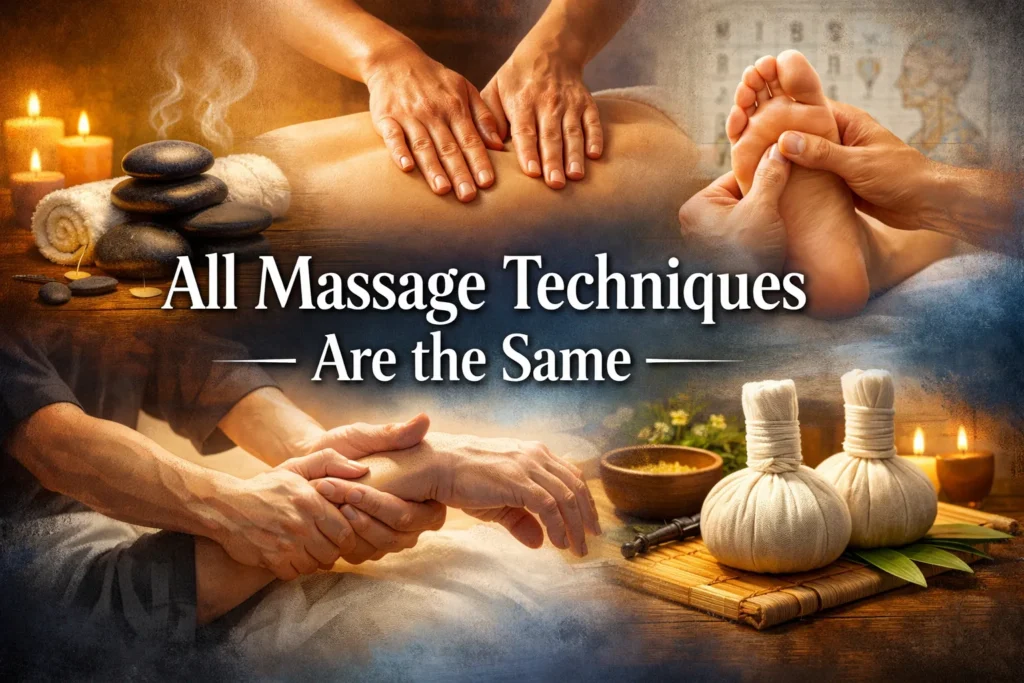
Treatments vary widely by method and purpose. Swedish massage uses long, flowing strokes for relaxation. Deep tissue targets deep layers of muscle to release chronic tension. Sports massage focuses on injury prevention and performance. Other styles include trigger point, myofascial release, and lymphatic drainage.
Choosing a therapist who is trained in the needed technique matters. Licensing and specialty training influence safety and outcomes. Clients should ask which methods a therapist uses and why those methods suit their condition.
Understanding Massage Therapy’s Health Benefits
Massage therapy can reduce muscle tension, lower stress hormones, and improve circulation. It may also help with recovery after surgery or injury and provide measurable pain relief for some long-term conditions.
Massage Can Support Medical Treatment
Massage can help patients during recovery when used with medical care. For example, after orthopedic surgery, light massage can reduce swelling and improve range of motion when a clinician approves it. Licensed therapists work with medical teams to avoid incisions or blood-clot areas and to tailor pressure and timing.
Clinical settings use specific approaches:
- Pre- and post-operative gentle massage to ease tightness.
- Manual lymphatic drainage to reduce swelling after certain surgeries.
- Myofascial release for scar mobility under a doctor’s guidance.
Therapists document treatment and communicate with physicians. That ensures massage supports healing without interfering with medications, wound care, or physical therapy plans.
Massage and Chronic Pain Management
Massage offers non-drug options for people with chronic pain such as low back pain, fibromyalgia, and osteoarthritis. Regular sessions can decrease pain intensity and improve daily function for many patients. Effects vary by technique and condition.
Common outcomes reported:
| Condition | Typical Benefit |
|---|---|
| Low back pain | Reduced pain and improved mobility |
| Fibromyalgia | Short-term lower pain and better sleep |
| Osteoarthritis | Decreased joint stiffness, improved function |
Therapists use targeted techniques like deep tissue, trigger-point release, and relaxation massage. They adjust pressure and frequency to avoid flare-ups. Combining massage with exercise, posture work, and medical care yields the best, lasting results.
Who Can Benefit from Massage Therapy?
Massage therapy helps improve movement, reduce pain, and lower stress. It often complements medical care, training plans, and recovery routines.
Athletes and Active Individuals
Athletes use massage to speed recovery after training and competition. Massage can reduce muscle tightness, break up scar tissue, and improve joint range of motion. That leads to fewer muscle strains and better flexibility during play.
Specific techniques like deep tissue, sports massage, and myofascial release target sore areas and trigger points. Therapists also use pre-event massage to warm muscles and post-event massage to clear metabolic waste, such as lactic acid. Regular sessions fit into periodized training plans to support performance peaks and lower injury risk.
People with Stress-Related Conditions
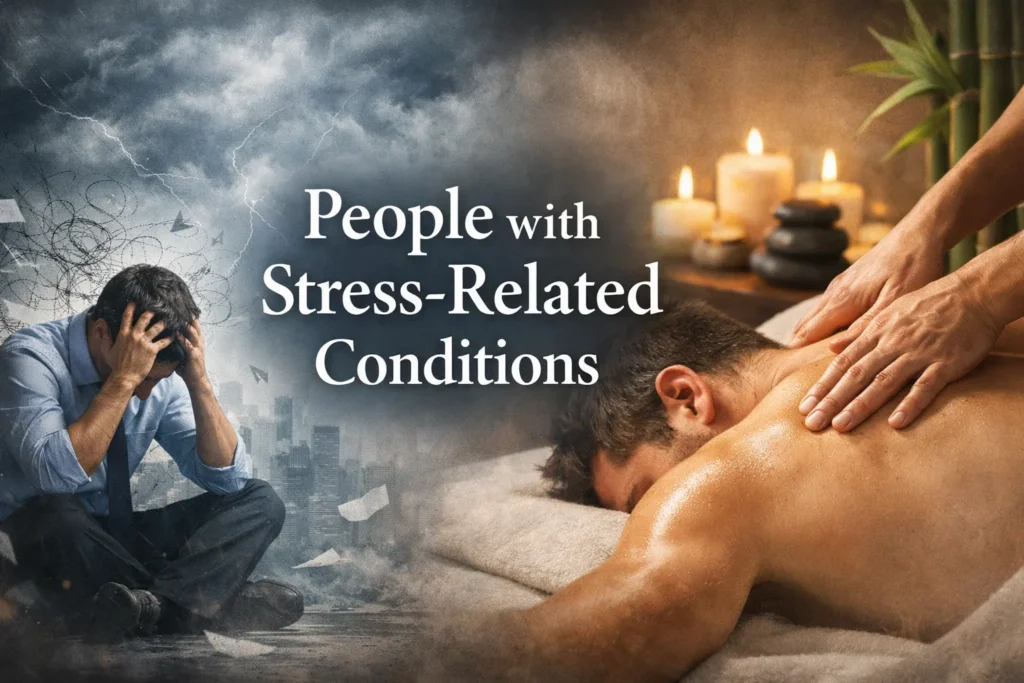
People with chronic stress, anxiety, or tension headaches often find relief from massage. Sessions lower muscle tension in the neck, shoulders, and jaw—common sites for stress-related pain. They also reduce heart rate and promote a calmer nervous system.
A therapist may combine Swedish massage, gentle stretching, and relaxation techniques for those who sleep poorly or feel constantly tense. Massage supports coping strategies but does not replace mental health treatment when needed.
Safety and Qualifications in Massage Therapy
Massage can help with pain, stress, and recovery when done by a trained professional. Knowing who is qualified and what safety checks matter helps clients get effective care while avoiding harm.
Massage Therapy Is Safe for Everyone
Massage is low-risk for many people, but not all. Clients with blood clots, uncontrolled high blood pressure, certain infections, recent fractures, or some cancers should get clearance from a doctor before massage. Pregnant people need therapists trained in prenatal techniques and should avoid certain positions and deep abdominal work.
Therapists must adapt pressure, duration, and techniques to a client’s age, health, and medications. A simple intake form and informed consent reduce risk; clients should disclose medications, surgeries, and chronic conditions. If a client feels dizzy, numb, or worse during a session, the therapist should stop and reassess.
All Practitioners Are Equally Qualified
Training and regulation vary by place. Many jurisdictions require formal education (often 500–1,000 hours), supervised clinical hours, and passing a licensing or board exam. Other areas have looser rules or voluntary certification only.
Clients should check for a license or certification, ask about formal schooling and continuing education, and confirm experience with the condition being treated (e.g., sports injuries, prenatal care). Look for membership in a recognized professional association, clear hygiene practices, and written policies on scope of practice. These specifics help distinguish well-qualified therapists from less-prepared practitioners.
Massage Therapy and Medical Conditions
Massage can relieve pain, reduce stress, and support healing for some conditions. It can improve circulation, ease muscle tension, and help people feel better during recovery. However, it does not replace medical diagnosis or treatments.
Massage Can Cure Illness
Massage does not cure diseases such as infections, cancer, diabetes, or autoimmune disorders. It can help manage symptoms like muscle pain, stiffness, and anxiety that often come with chronic illness. For example, a person with fibromyalgia may get short-term pain relief and better sleep after specific gentle techniques.
Clinically, massage can lower blood pressure and reduce stress hormones in some people. These effects support health but do not eliminate the underlying illness. Providers should report symptom changes to medical teams and avoid promising cures.
Massage Replaces Professional Medical Care
Massage should not replace medical care for serious or progressive conditions. If someone has a suspected fracture, deep vein thrombosis, uncontrolled bleeding, or new severe neurological signs, they must seek immediate medical evaluation. Massage in those cases can cause harm.
Licensed massage therapists work within scope of practice and refer clients to doctors when needed. Therapists modify techniques for post-surgical patients, those on blood thinners, pregnant clients, and people with cancer to reduce risk and coordinate with medical providers.
Frequency and Cost Myths
Many people worry they must go to massage every week to see benefits or that massage always costs too much. Both ideas depend on individual needs, goals, and the type of provider chosen.
Frequent Sessions Are Necessary for Results

Therapists tailor frequency to the condition. For new injuries or severe chronic pain, therapists may recommend two to three sessions over a week or several weekly sessions for a short period. Those with general stress or mild muscle tightness often see real improvement with monthly or biweekly visits.
Home care and targeted exercises make a big difference. A single session can relieve tension, but follow-up appointments reinforce gains and allow therapists to adjust treatment. Insurance plans, treatment goals, and how the body responds guide the actual schedule.
Massage Therapy Is Always Expensive
Massage has a wide price range. Community clinics, student clinics, and community health centers often charge $20–$50 per session. Licensed private clinics typically charge $60–$150 depending on location, session length, and therapist experience.
People can reduce cost by choosing shorter sessions, booking package deals, or using membership plans. Some insurance plans, employer wellness programs, or HSA/FSA funds may cover part of the cost when massage is for a medical need and recommended by a provider.
What to Expect During a Massage Session
Clients can expect clear communication about health, firm but respectful boundaries, and choices about clothing and privacy. The therapist will explain the treatment plan and ask about pain, medications, and recent injuries before starting.
Proper Client-Therapist Boundaries
Therapists maintain professional boundaries to keep the session safe and effective. They will explain the consent process, ask permission before touching each area, and stop if the client asks. If a therapist requests information, it will relate to health, pain, or goals for treatment.
Clients should report discomfort, pain level changes, or any questions during the massage. Therapists will use draping to cover areas not being worked on and will not perform sexualized behavior. If anything feels inappropriate, clients can end the session and report the incident to the clinic or a licensing board. For guidance on standards and complaints, the American Massage Therapy Association provides clear policies and resources (https://www.amtamassage.org).
Clothing and Privacy Concerns

Clients choose the amount of clothing they wear based on comfort and the type of massage. For Swedish or deep-tissue work, many clients undress to their underwear and stay covered with a sheet; the therapist uncovers only the area being treated. For some modalities, like chair massage or sports massage, clients may remain fully clothed.
Therapists explain draping and privacy steps before the table work begins. Valuables are best left at home or locked in a clinic locker. If the client prefers a same-sex therapist or has cultural needs, they should request this when booking; most clinics accommodate reasonable requests. For clinic safety and hygiene standards, the U.S. Centers for Disease Control and Prevention offers practical tips on infection control (https://www.cdc.gov).
FAQS
What does massage help with?
Massage can reduce muscle tension, ease pain, and lower stress. It also supports recovery after exercise and can improve circulation.
Does massage have to hurt to work?
No. Effective massage can feel firm but should not cause sharp pain. Discomfort that lasts after the session may mean the pressure was too high.
How often should someone get a massage?
Frequency depends on the goal. For acute pain or injury, weekly sessions may help. For general wellness, monthly or biweekly visits often suffice.
Are all massage therapists the same?
No. Training, methods, and clinical focus vary widely. Clients should check credentials and ask about specialties like sports, medical, or relaxation massage.
Can massage replace medical care?
Massage complements medical treatment but does not replace it. People with serious medical conditions should consult their doctor before starting regular massage.
Is massage safe during pregnancy?
Prenatal massage can be safe when performed by a therapist trained in pregnancy care. Certain positions and techniques are adjusted to protect mother and baby.
What side effects might occur?
Mild soreness, temporary tiredness, or slight bruising can happen. Serious effects are rare; clients should tell the therapist about health issues and medications.
How to choose the right type?
Match the technique to the need: deep tissue for chronic muscle tightness, Swedish for relaxation, sports for athletic recovery. Asking the therapist for a brief plan helps set expectations.
Conclusion
Massage therapy is a valid health tool backed by research and clinical experience. It can reduce pain, ease tension, and support recovery when used correctly.
People should check a therapist’s training and share health history before treatment. That helps match techniques to goals and lowers the risk of harm.
Some beliefs about massage come from tradition or marketing, not evidence. Recognizing myths helps people make smarter choices about care and expectations.
Clients and providers both benefit from clear communication. Setting goals, tracking results, and adjusting treatment improves outcomes over time.
When in doubt, consult a healthcare professional about massage alongside medical care. That keeps treatment safe and aligned with a person’s overall health plan.