By Ryan Mitchell
Last updated: October 27, 2026
As an Amazon Associate, we earn from qualifying purchases.
Quick Answer: Mindfulness for healthy relationships means bringing steady, non-judgmental attention to yourself and the other person in ordinary moments. Short daily practices—present listening, a brief pause before reacting, and noticing shared experiences—may help some couples and close relationships feel more connected and less reactive. Results vary; it is not a cure for serious conflict or mental-health conditions.
Most of us want relationships that feel steady and kind. Yet phones, stress, and old habits often pull attention away exactly when presence matters most. Mindfulness is the simple skill of noticing what is happening right now—thoughts, feelings, body signals, and the other person’s cues—without immediately judging or fixing.
This guide offers practical, low-pressure ways to bring that skill into daily life with a partner, family member, or close friend. It is not therapy and does not replace professional help when distress is high or safety is a concern.
Key Takeaways
- Presence and a short pause before reacting often matter more than perfect techniques.
- Shared, brief practices (breathing, gratitude, listening) can fit real schedules.
- Mindfulness supports self-awareness first; relationship benefits usually follow from that.
- Serious conflict, abuse, or mental-health crises need professional support, not only mindfulness exercises.

What Mindfulness Looks Like in Relationships
In a relationship context, mindfulness is less about formal meditation and more about how you show up in ordinary interactions. It includes noticing your own tension or assumptions, listening without immediately preparing a reply, and accepting that both people change over time.
Research on mindfulness-based approaches for couples has explored benefits such as greater relationship satisfaction and acceptance in some groups, though effects are often modest and study quality varies. Individual results depend on many factors, including how consistently a practice is used and the overall health of the relationship.
You can explore related skills such as emotional regulation and a nonjudgmental mindset on our site for deeper personal practice.
Four Everyday Pillars of Relationship Mindfulness
Attention
Notice the person in front of you instead of the mental to-do list.
Pause
Create a short gap between feeling triggered and speaking or acting.
Acceptance
Recognize the other person’s perspective without needing to agree.
Kindness
Include yourself and the other person in ordinary care and respect.
Practical Practices You Can Try This Week
Start small. Consistency over intensity works better for most people. The following practices require no special equipment and can be adjusted for any close relationship.
1. Present-moment listening
When someone is speaking, put the phone face-down, soften your face, and notice the urge to interrupt or solve. Reflect back one short phrase: “It sounds like today felt overwhelming.” You do not have to agree; you only need to show you heard.
2. The three-breath pause
When irritation rises, take three slow breaths before answering. Feel the air at the nostrils or the rise of the belly. This short delay often reduces sharp words that later need repair. Pair it with skills from mindfulness techniques for anger management.
3. Shared gratitude for one specific thing
Once a day, name one concrete action you appreciated: “Thanks for making coffee this morning.” Specific, timely appreciation is easier for most people to receive than vague praise.
4. Brief shared stillness
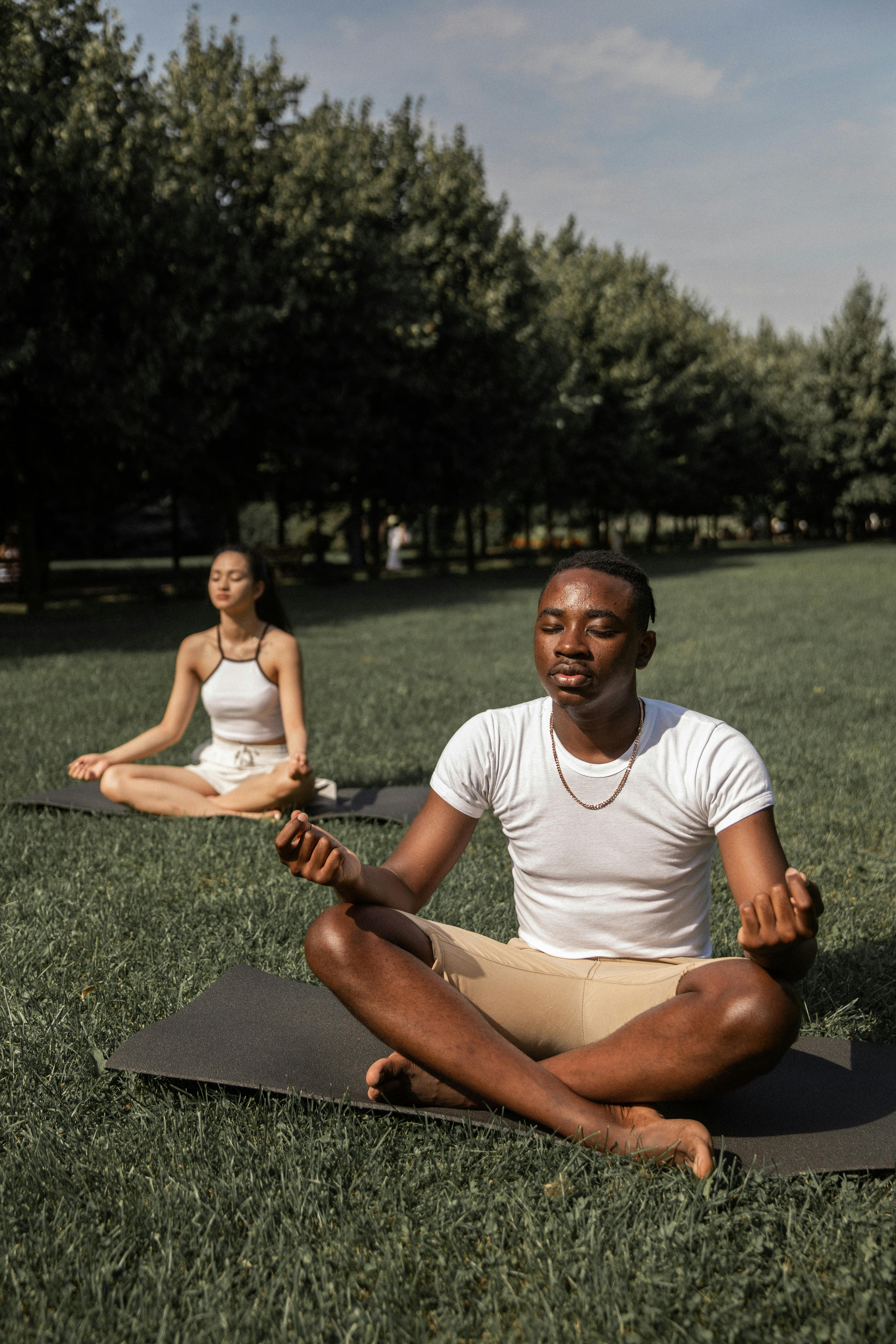
Sit side-by-side for three to five minutes and simply notice the breath or the sounds in the room. No need to “empty the mind.” If one person prefers not to sit formally, a quiet walk without phones can serve the same purpose.
Simple Daily Rhythm (Illustrative)
Morning
One minute of noticing the other person without multitasking (greeting, coffee, or a short check-in).
During the day
Three-breath pause when tension appears in text or conversation.
Evening
One specific appreciation and optional three-minute shared quiet time.
How These Habits May Support Connection
Mindfulness practices often help people notice automatic patterns—defensiveness, mind-reading, or withdrawing—before those patterns run the conversation. Greater self-awareness can make room for curiosity about the other person’s experience.
Some studies of mindfulness-based relationship programs have reported improvements in satisfaction, acceptance, and stress responses among participants, yet findings are not universal and longer-term effects need more rigorous research. Treat any practice as an experiment you can adjust or stop if it does not fit.
Common relationship challenges and a mindful first step
| Challenge | Mindful first step | What to avoid |
|---|---|---|
| Feeling unheard | Ask for a short turn of uninterrupted speaking, then reflect one sentence | Jumping to solutions or “yes, but…” |
| Quick irritation | Three-breath pause and name the feeling internally | Immediate blame or sarcasm |
| Distance after busy days | Five minutes of phone-free shared time | Assuming the other person “should know” |
| Repeating the same argument | Agree on a pause signal and revisit when calmer | Forcing resolution in the heat of the moment |
These steps are starting points only. Patterns that involve control, fear, or repeated harm need professional guidance.
Building a Realistic Routine Together
A joint routine works best when both people choose it freely. One partner practicing alone can still influence the tone of the relationship, but pressure or scoring “who is more mindful” usually backfires.
Decision path: solo or shared practice?
Start solo if…
- Your partner is not interested yet
- You want to stabilize your own reactions first
- Schedule differences make joint time rare
Invite shared practice if…
- Both people feel curious
- You already have a short daily check-in habit
- You can keep it light and optional
Sample weekly focus
| Day focus | Practice | Time needed |
|---|---|---|
| Mon–Tue | Present listening in one conversation | As it happens |
| Wed | Three-breath pause when triggered | 30–60 seconds |
| Thu–Fri | One specific appreciation | 1 minute |
| Weekend | Optional shared stillness or phone-free walk | 5–15 minutes |
Adjust freely. The goal is sustainable attention, not a perfect scorecard.
Supportive Tools (Optional)
Tools are optional. Many people practice without any props. If physical comfort during seated quiet time matters to you, a simple cushion or a notebook for brief reflections can reduce distraction. Always check current product details and your own physical needs.
| Tool type | May help with | Considerations |
|---|---|---|
| Meditation cushion / zafu | Comfortable seated posture for short quiet time | Height and firmness preferences vary; try different fills |
| Simple journal | Noting one appreciation or one trigger pattern | Keep entries short so the habit stays easy |
| Timer or gentle reminder | Protecting a few phone-free minutes | Avoid over-scheduling intimacy |
If you would like to browse cushions or journals, you can check current options on Amazon:
Mindfulness journals on Amazon
Preparation checklist before a shared quiet moment
- Agree on a realistic length (3–10 minutes is enough to start)
- Silence or put phones out of reach
- Choose a posture that does not create pain
- Decide there is no “right” experience—just noticing
- Stop or shorten if either person feels pressured
Mistakes That Reduce the Benefit
| Common mistake | More helpful approach |
|---|---|
| Using mindfulness to “win” an argument | Use it to understand your own reaction first |
| Expecting the other person to change immediately | Focus on your own presence and responses |
| Long formal sessions when schedules are full | Tiny, repeatable moments throughout the day |
| Judging yourself for wandering attention | Gently return attention without self-criticism |
Self-compassion supports the practice; harsh self-talk usually does not. See our guide on mindfulness for building self-compassion.
Safety Note
Mindfulness exercises are not a substitute for professional care. If a relationship involves emotional or physical abuse, controlling behavior, or ongoing fear, prioritize safety planning and qualified support. People with certain mental-health conditions, recent trauma, or intense anxiety may find open-ended awareness practices temporarily uncomfortable; in those cases, consult a licensed clinician before intensive practice. During pregnancy or other health changes, gentle habits such as slow breathing are often low-risk for many people, yet individual medical advice still matters—see our related overview on stress relief during pregnancy.
Who These Practices Suit and Who Should Go Slowly
| Often a good fit | Proceed with extra care or professional guidance |
|---|---|
| Couples or friends seeking more everyday presence | Active abuse or coercion in the relationship |
| People who notice reactive patterns and want a pause | Severe depression, active trauma symptoms, or psychosis |
| Those already exploring self-awareness or stress habits | Anyone for whom stillness reliably increases distress |
Troubleshooting quick guide
“We forget every day”
Link the practice to an existing habit (after coffee, before bed) instead of a new slot.
“It feels awkward”
Keep sessions under five minutes and drop the formality; a quiet walk counts.
“One of us is skeptical”
Practice solo and model calmer responses; invitation works better than persuasion.
FAQ
Do both people need to practice mindfulness for it to help?
How long before we notice any difference?
Is mindfulness the same as ignoring problems?
What if quiet sitting increases anxiety?
Can these ideas help with family or friendships, not only romantic partners?
Should we use apps or guided recordings together?
Final Thoughts
Mindfulness for healthy relationships is less about achieving a calm ideal and more about returning, again and again, to ordinary moments with a little more attention and a little less automatic reaction. A three-breath pause, one specific thank-you, or five phone-free minutes can be enough to begin.
Keep the practices light, optional, and honest. When conflict, fear, or mental-health struggles are significant, combine any personal practice with appropriate professional support. Small, steady presence is often more useful than perfection.