
By Alex Turner
If you’ve ever left a massage wondering what massage oil do professionals and spas use, you’re not alone. The right oil changes glide, absorption speed, and how your skin feels afterward. This guide covers the most common professional picks, how to choose one for home use, and simple safety habits for sensitive skin.
Carrier Oils Skin Sensitivity Massage Glide Home Massage Patch Testing
What Professionals Look for in a Massage Oil
Massage therapists don’t just grab any bottle off a shelf. They usually weigh a few practical factors: how long the oil keeps skin slippery without needing constant reapplication, how quickly it absorbs once the session ends, whether it stains linens, and how likely it is to trigger a skin reaction across many different clients. That’s a big part of what massage oil do professionals and spas use decisions come down to — consistency and low irritation risk matter more than scent or trend.
Most spas also avoid heavily fragranced oils by default, since strong scents and certain essential oil blends raise the chance of sensitivity, especially for first-time clients whose allergy history isn’t known.
Common Oils Professionals and Spas Use
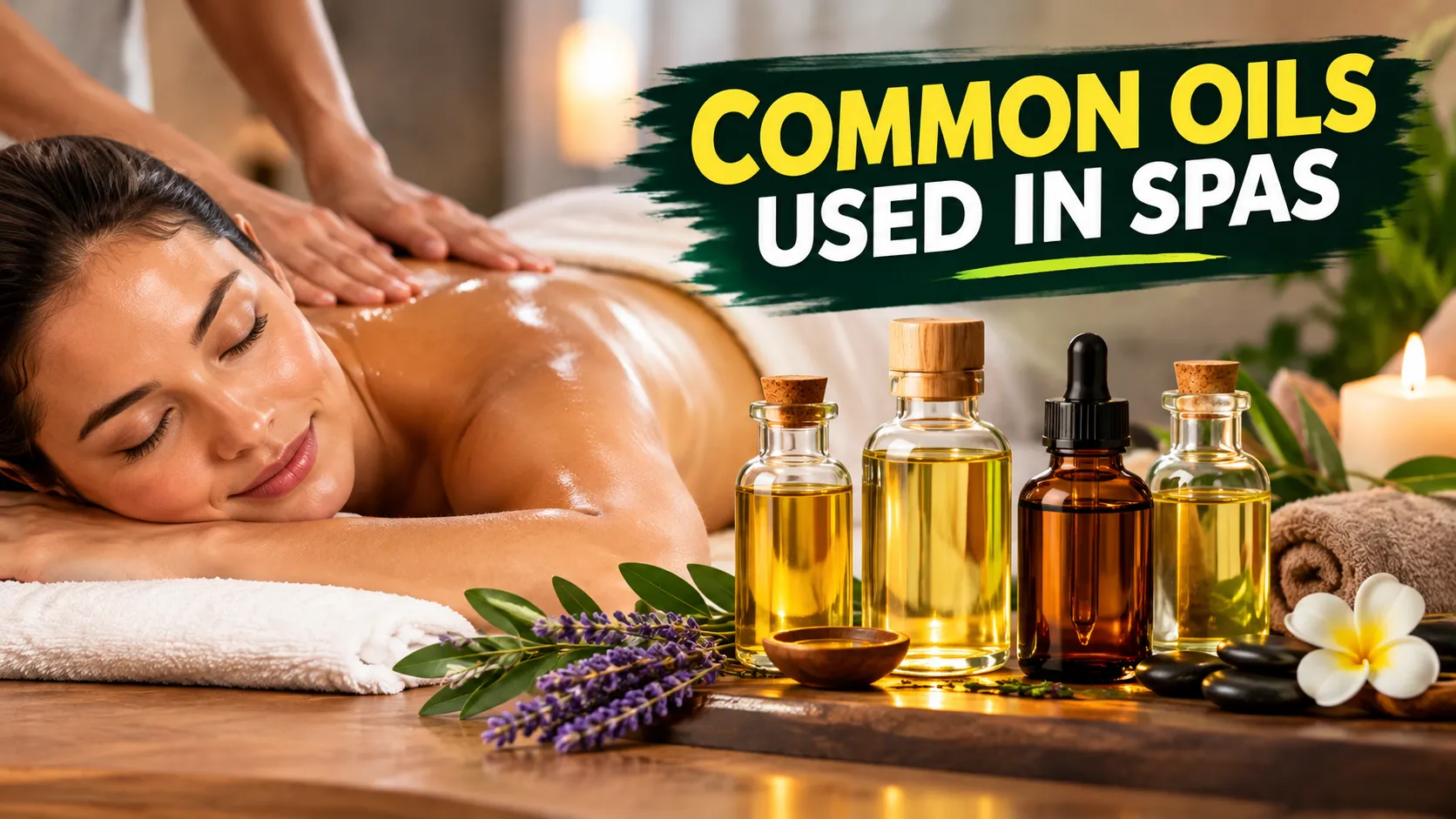
Here’s a quick look at the oils that show up most often behind the scenes, and what each one is generally chosen for.
Swipe left/right to see the full table →
| Oil Type | Typical Use | Good Fit For |
|---|---|---|
| Fractionated coconut oil | Long glide, low residue | Most skin types, deep tissue work |
| Sweet almond oil | Moderate glide, nourishing feel | Dry skin, gentle relaxation massage |
| Jojoba oil | Closest to natural skin oils | Sensitive or acne-prone skin |
| Grapeseed oil | Light, fast-absorbing | Oily skin, shorter sessions |
Here’s what most professionals prioritize, in rough order, when picking an oil for regular use:
Glide & slip
Skin absorption speed
Low irritation risk
Scent strength
This is a practical guide to typical priority, not a scientific ranking — individual spas vary.
Carrier Oil vs Specialty Blend: How They Compare
Spas sometimes use a plain carrier oil, and sometimes a lightly scented blend. Neither is automatically “better” — the right pick depends on your skin and preference.
Swipe left/right to see the full table →
| Factor | Plain Carrier Oil | Scented Blend |
|---|---|---|
| Allergy risk | Lower | Higher, varies by added oils |
| Relaxation feel | Neutral | Often enhanced by aroma |
| First-time client use | Preferred default | Usually offered as an add-on |
Choosing the Right Oil for Your Skin Type
Knowing what massage oil do professionals and spas use is only half the picture — the better question for home use is what fits your own skin.
Swipe left/right to see the full table →
| Skin Type | Better Choice |
|---|---|
| Sensitive / reactive | Fragrance-free jojoba or fractionated coconut oil |
| Dry | Sweet almond oil |
| Oily / acne-prone | Grapeseed or jojoba oil |
| Prone to breakouts on back/shoulders | Lighter oil, apply sparingly |
A Simple At-Home Massage Oil Routine
If you want to recreate a spa-style experience at home, professionals generally follow a simple flow.
Mistakes People Make When Choosing Massage Oil
Swipe left/right to see the full table →
| Common Mistake | Better Choice |
|---|---|
| Skipping a patch test on new oil | Test on inner forearm 24 hours first |
| Using heavily fragranced oil on sensitive skin | Choose fragrance-free carrier oil |
| Over-applying oil each session | Start small, add only as needed |
| Ignoring an ingredient list | Check for known personal allergens first |
Do’s and don’ts for at-home use:
Do
Choose unscented, fragrance-free oils if you have sensitive or reactive skin.
Don’t
Don’t apply massage oil directly over broken skin, rashes, or fresh injuries.
Skin Reactions: When to Slow Down
A patch test can’t catch everything. Watch for these signs after using a new massage oil.
This is a general practical guide, not a diagnosis — reactions vary by person.
Swipe left/right to see the full table →
| Situation | What To Do |
|---|---|
| Mild, brief redness after first use | Wash off, monitor, self-care is usually fine |
| Itching or hives that spread | Stop use, consider seeking professional evaluation |
| Swelling, difficulty breathing, or facial swelling | Seek urgent medical help right away |
A Few Product Options Worth Considering
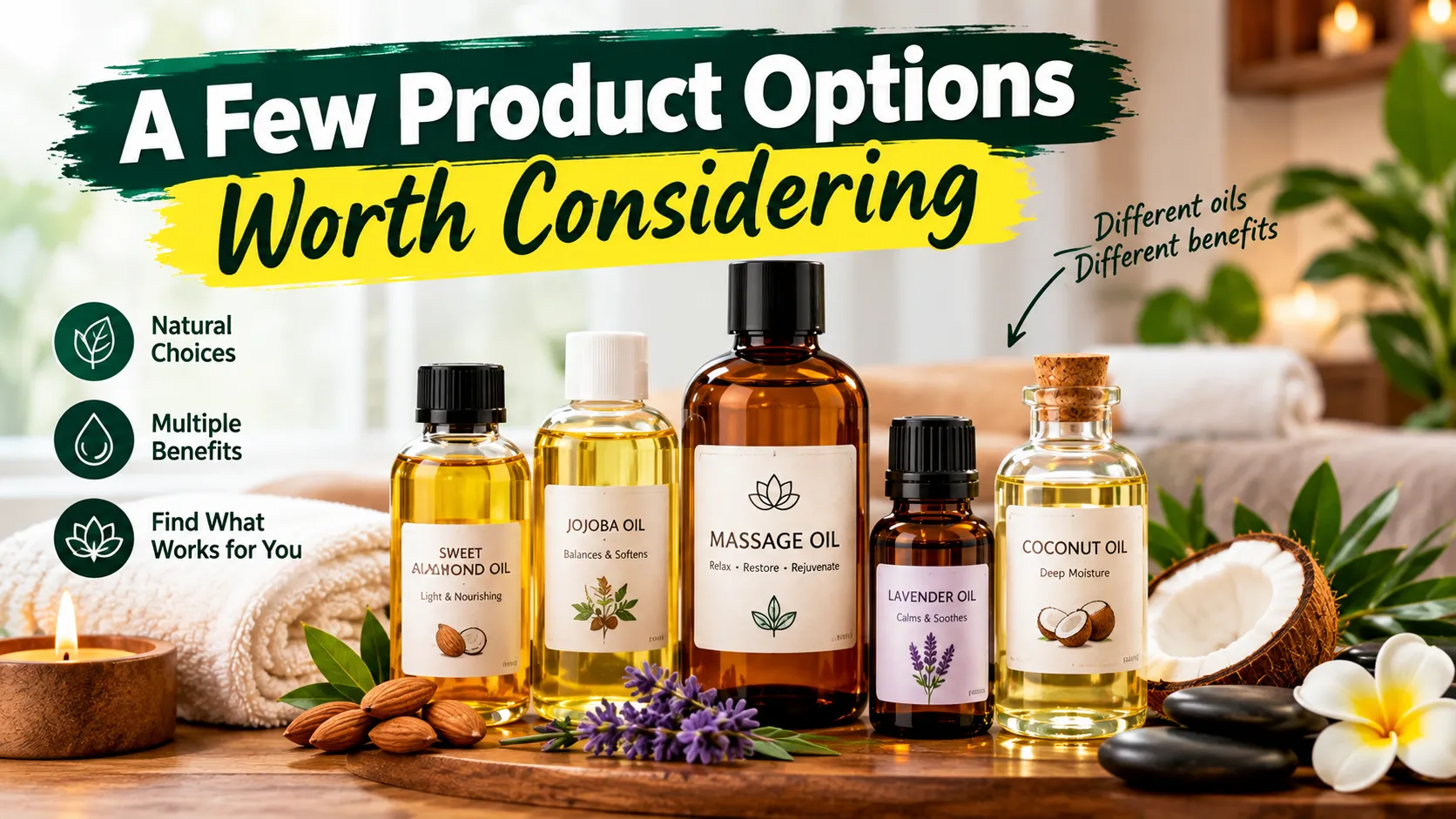
Fractionated Coconut Oil (Unscented)
A lightweight, fragrance-free option that may support smooth glide for longer massage sessions.
Fragrance-Free Jojoba Massage Oil
May make daily or weekly at-home massage routines easier for those with sensitive or acne-prone skin.
Pro Tips for a Better At-Home Massage
Understanding what massage oil do professionals and spas use gives you a strong starting point, but personal skin history should always guide your final choice. Keep a small backup bottle of a fragrance-free oil on hand in case your regular blend causes any unexpected reaction.
For general reading on massage benefits and safety, see Mayo Clinic’s overview of massage and MedlinePlus on massage therapy.
Frequently Asked Questions
What massage oil do professionals and spas use most often?
Most commonly, unscented carrier oils like fractionated coconut oil, sweet almond oil, or jojoba oil, chosen for smooth glide and low irritation risk.
Is coconut oil good for massage?
Fractionated coconut oil is popular because it stays liquid, absorbs at a moderate pace, and rarely irritates skin, though anyone with a coconut allergy should avoid it.
Can I use regular lotion instead of massage oil?
Lotion absorbs faster and offers less glide, which can make longer massage strokes harder to sustain compared with an oil.
Do spas use scented or unscented oil by default?
Many spas default to unscented oil for first-time clients, then offer scented blends as an optional add-on once allergy history is known.
How much massage oil should I use at home?
Start with a small amount, about a coin-sized pool per area, and add more only if glide starts to slow down.
Should I patch test massage oil before a full session?
Yes, applying a small amount to your inner forearm and waiting 24 hours can help catch a reaction before using it on a larger area.
Is essential oil safe to add to massage oil?
Essential oils are potent and can irritate skin if not properly diluted, so it’s best to talk with a professional before adding them, especially on sensitive skin.
Now that you know what massage oil do professionals and spas use, you can pick a similar option for home use with more confidence. Start with a fragrance-free carrier oil, patch test first, and apply lightly. If your skin reacts in a way that feels severe, spreading, or unusual, stop use and check in with a healthcare professional rather than waiting it out.
Author
-

I’m Alex Turner, a massage product reviewer and wellness writer at RemedyTip. I specialize in researching, evaluating, and comparing massage and recovery products to help readers make informed purchasing decisions. My focus is on practical, evidence-informed product guidance covering muscle recovery, relaxation, everyday comfort, and wellness.
I take a research-driven approach to every product I review. I examine product specifications, features, materials, performance claims, user feedback, durability, comfort, ease of use, and overall value. When appropriate, I also consult trusted industry and health-related sources to verify important information and provide readers with a more complete and balanced view.
I cover a wide range of products, including massage guns, handheld massagers, neck and shoulder massagers, foot massagers, massage chairs, foam rollers, and other recovery tools. Rather than focusing only on marketing claims, I look at how products compare in real-world use and who they are actually suitable for. I also consider different budgets, use cases, and user needs when making recommendations.
At RemedyTip, I’m committed to accuracy, transparency, and unbiased product information. I clearly distinguish between manufacturer claims, available evidence, and my own product analysis so readers can understand the basis of each recommendation. I continuously research new products, technologies, and developments in the massage and recovery space to keep my content current and useful.
My goal is simple: to provide trustworthy, easy-to-understand information that helps readers choose massage and recovery products with greater confidence.

