A shiatsu massager can ease muscle tension, but more pressure and longer sessions do not always provide better relief. Overuse can cause soreness, bruising, skin irritation, or increased pain, especially when pressure stays on one area too long.
Most people can use one for short sessions while watching how their body responds. This guide explains safer session limits, warning signs, areas to avoid, and when medical advice may be needed.
Key Takeaways
- Short, gentle sessions can reduce muscle tension.
- Pain, bruising, or numbness may signal overuse.
- Some health conditions require medical guidance before use.
How Shiatsu Massagers Affect Muscles And Circulation
Shiatsu massagers apply repeated pressure to soft tissue, which can reduce short-term muscle tightness and change local blood flow. Their effects depend on pressure, heat, session length, and the body area being treated.
Pressure, Heat, And Percussion Effects
Rotating nodes press and knead muscles in a way that resembles deep massage. This pressure may temporarily reduce muscle tension and improve comfort by stimulating sensory nerves. It can also increase local blood flow while the device operates, especially when it uses gentle movement and moderate pressure.
Heat may help muscles feel more flexible, but it can also reduce awareness of excessive pressure. Percussion settings add rapid tapping or vibration and may feel intense on already tender tissue. A user should avoid placing the device directly over the spine, throat, joints, bones, open wounds, bruises, or swollen areas.
| Effect | Safer approach |
|---|---|
| Deep pressure | Use a low setting first |
| Heat | Use short sessions and check the skin |
| Percussion | Stop if pain, numbness, or tingling develops |
Why Recovery Time Matters
Massage creates a temporary physical stress on muscle tissue. Repeated pressure without enough rest can cause soreness, bruising, skin irritation, or muscle fatigue. Using a massager longer or harder does not guarantee better relief.
Many users can start with 10 to 15 minutes per area, then assess how the body feels later that day and the next morning. They should wait until normal tenderness fades before treating the same area again. A device should not cover up worsening pain, weakness, numbness, or swelling.
People with poor circulation, reduced sensation, diabetes, bleeding disorders, blood clots, recent injuries, or pregnancy should ask a health professional before use. Persistent pain or unusual symptoms also require medical evaluation rather than repeated massage.
Safe Session Lengths And Daily Frequency
Short, controlled sessions reduce the chance of soreness, bruising, skin irritation, or muscle strain. Most adults can begin with 10–15 minutes and adjust the schedule based on the body area, pressure, heat, and how the body feels afterward.
Typical Timing Guidelines
A shiatsu massager should usually run for 10–20 minutes per session. A new user should start near 10 minutes at a low or medium setting. If no soreness or irritation develops, the user may gradually increase the time, but longer sessions do not always provide better relief.
| Experience or response | Suggested use |
|---|---|
| First few sessions | 10 minutes, up to once daily |
| Comfortable with the device | 15–20 minutes, once daily |
| Persistent soreness or tenderness | Stop until symptoms resolve |
Daily use may suit some people when sessions stay brief and gentle. Others may need rest days, especially after using strong pressure. The user should follow the device manual and stop if pain, numbness, tingling, bruising, swelling, or lasting skin redness appears.
Adjusting Use For Body Areas
Large muscle groups, such as the upper back, lower back, and thighs, generally tolerate short sessions better than smaller or more sensitive areas. The user should keep pressure light at first and avoid placing the device directly over the spine, joints, bones, or open skin.
The neck requires extra care. A user should limit a neck session to about 10–15 minutes, avoid the front and sides of the throat, and stop if dizziness, headache, numbness, or increased pain occurs. A massager should not be used over the head, kidneys, abdomen, or areas with reduced sensation unless a health professional gives specific advice.
Heat can increase irritation during longer sessions, so the user should use the lowest comfortable heat setting and check the skin afterward. A person with an injury, circulation problem, pregnancy, or a medical condition should ask a clinician before regular use.
Signs Of Excessive Use
Excessive use can leave muscles irritated instead of relaxed. Pain that lasts beyond a session, skin changes, or new nerve-like symptoms signal that the user should reduce pressure, shorten sessions, or stop using the device.
Short-Term Discomfort
Mild tenderness can occur after firm massage, especially when the device presses the same area repeatedly. However, sharp pain, increasing soreness, bruising, swelling, or skin redness that does not fade soon after use suggests too much pressure or time.
Other warning signs include muscle fatigue, numbness, tingling, and a lingering burning feeling. The user should turn off the massager, check the skin, and allow the area to rest. Applying more pressure or using the device again on the same day may worsen irritation.
| Sign | Recommended action |
|---|---|
| Mild, brief tenderness | Rest the area and use less pressure next time |
| Persistent soreness or redness | Stop until symptoms resolve |
| Bruising or swelling | Stop using the device and seek medical advice if it persists |
| Numbness or tingling | Stop immediately |
Symptoms That Require Stopping
The user should stop immediately if the massager causes severe pain, weakness, loss of feeling, dizziness, nausea, or trouble breathing. These symptoms do not represent normal muscle soreness and may need medical assessment.
A user should also stop if the device causes a severe headache, pain that travels into an arm or leg, or reduced movement in a joint or limb. The person should not massage over broken skin, a suspected injury, or an area that feels unusually warm and swollen.
If symptoms continue after stopping, worsen, or appear without a clear cause, the user should contact a healthcare professional. People with blood-clotting problems, nerve disorders, osteoporosis, recent surgery, or unexplained pain should seek medical advice before regular use.
Potential Risks From Prolonged Pressure

Using a shiatsu massager too long or at high intensity can irritate muscles, skin, and small nerves. Short sessions with moderate pressure reduce these risks, especially on areas with little padding.
Bruising And Soft-Tissue Irritation
Rotating nodes press repeatedly into the same tissue. Extended use can cause soreness, redness, swelling, or bruising, particularly over the spine, shoulder blades, ribs, joints, and other bony areas. People who take blood thinners or have bleeding disorders may bruise more easily.
Pain that increases during a session signals that the pressure is too strong. The user should stop, check the skin, and allow the area to recover instead of massaging through discomfort. A cool compress may help mild swelling, but severe pain, spreading bruising, warmth, or swelling that does not improve needs medical attention.
The device should not operate over open wounds, rashes, recent injuries, varicose veins, or areas with suspected fractures. Following the manufacturer’s time limit and changing the position slightly can prevent repeated pressure on one spot.
Numbness And Nerve Sensitivity
Continuous pressure can temporarily irritate a nerve. Warning signs include tingling, pins-and-needles, burning, reduced sensation, or weakness in an arm, leg, hand, or foot. The user should stop immediately when these symptoms appear and avoid restarting until normal feeling returns.
Numbness that lasts for several hours, keeps returning, or affects movement requires medical advice. A massager should not press directly on the front or side of the neck, the spine, or areas with known nerve problems. People with diabetes or reduced sensation may not notice harmful pressure and should ask a clinician before using one.
Heat can hide excessive pressure by making the area feel relaxed. Users should check the skin during heated sessions and keep the device moving or use its lowest setting when possible.
Who Should Use Extra Caution
Some people face a higher risk of bruising, nerve irritation, pain, or other problems from strong pressure. They should use the lowest setting, limit sessions, and ask a healthcare professional before using a shiatsu massager.
Medical Conditions And Medications
People with bleeding disorders, low platelet counts, fragile skin, nerve damage, or poor circulation should get medical advice first. Strong kneading can cause bruising, worsen numbness, or irritate areas that do not sense pressure normally. Anyone with an open wound, skin infection, swelling, unexplained pain, or a recent blood clot should avoid using the device over that area.
Blood-thinning medicines, including warfarin, apixaban, rivaroxaban, and some antiplatelet drugs, may increase bruising risk. People with osteoporosis, cancer, diabetes-related nerve problems, or heart conditions should also ask their clinician about safe use and placement. A massager should not press directly over the front of the neck, the spine, joints, varicose veins, or a known tumor.
Pregnancy And Recent Injuries
Pregnant people should consult their obstetric clinician before using a shiatsu massager. They should avoid pressing on the abdomen and should not use strong pressure around the lower back, pelvis, or legs unless a qualified professional approves it. They should stop immediately if they feel pain, dizziness, contractions, bleeding, or reduced comfort.
Recent injuries need time to heal. People with sprains, strains, fractures, surgery, or severe muscle soreness should not use a massager over the injured area without medical clearance. Pressure can increase swelling or delay healing. After approval, the person should begin with a low setting and short session, keeping the device away from bruises, stitches, inflamed skin, and areas with reduced sensation.
Using A Device Safely
Safe use depends on gentle pressure, short sessions, and careful placement. The user should stop when the skin feels tender, the muscles become more painful, or numbness develops.
Selecting Appropriate Intensity
The user should begin with the lowest setting and increase it only if the pressure feels comfortable. A shiatsu massager should create mild, steady relief, not sharp pain, bruising, tingling, or lasting soreness. Heat should feel warm rather than hot.
Most sessions should last about 15–20 minutes. The user should follow the device instructions and avoid repeated sessions on the same area if it remains sore. Daily use may suit some healthy adults, but the body needs rest when discomfort appears.
The user should keep the device moving when the model allows it and avoid pressing their full body weight against the nodes. They should check the skin after use, especially when using heat, because reduced sensation can hide a burn or pressure injury.
Avoiding Vulnerable Areas
The user should place the massager on broad muscle areas, such as the shoulders, upper back, lower back, or thighs. They should avoid the front and sides of the neck, the spine, joints, bones, open wounds, rashes, varicose veins, and areas with swelling or reduced sensation.
They should not use it over the abdomen during pregnancy or on areas affected by recent surgery or injury unless a clinician approves it. People with blood-clotting problems, implanted medical devices, nerve damage, osteoporosis, or serious circulation problems should seek medical advice first.
The user should stop immediately if dizziness, numbness, worsening pain, skin discoloration, or unusual weakness occurs. Persistent symptoms require medical assessment rather than another massage session.
When To Seek Medical Advice
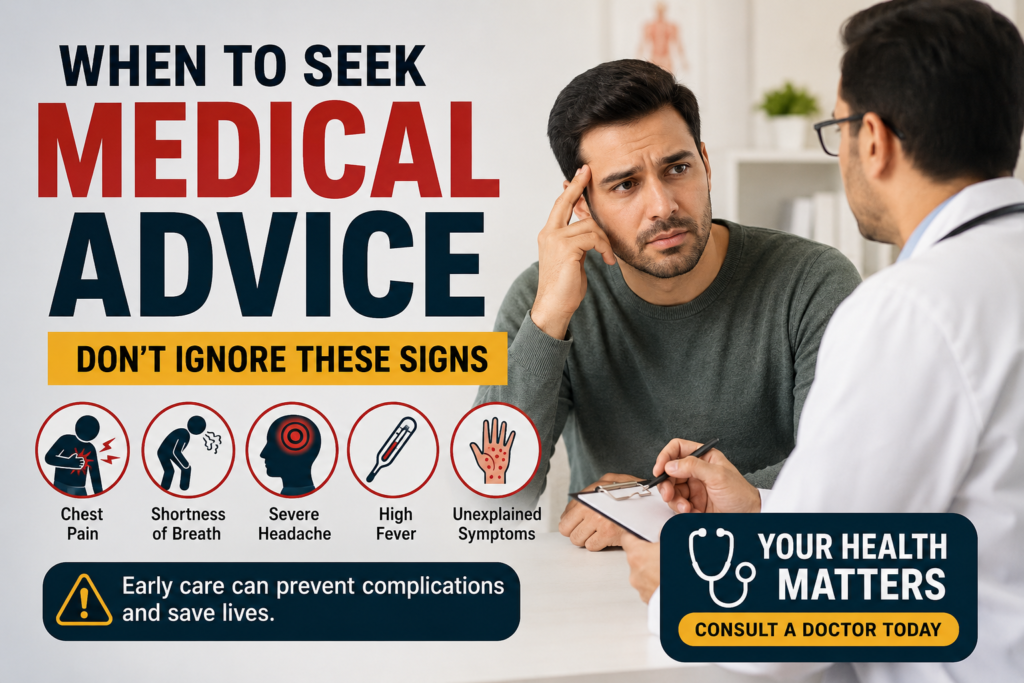
A shiatsu massager should provide mild, temporary relief, not increase symptoms. Medical advice becomes important when pain persists, worsens, or appears with signs such as swelling, numbness, weakness, fever, or skin changes.
Persistent Or Worsening Pain
A person should stop using the massager if pain continues after a session, returns more strongly, or lasts despite rest. Sharp, burning, or deep pain may signal an injury or another condition that massage cannot treat. The user should not increase the pressure or session length to push through these symptoms.
Medical evaluation is especially important when pain follows a fall, accident, or surgery. A healthcare professional should also assess pain with new weakness, numbness, tingling, loss of movement, severe swelling, bruising, or changes in bladder or bowel control. Fever or feeling unwell may point to an illness rather than muscle tension.
The person should avoid using the device over open wounds, infected skin, unexplained lumps, or areas with reduced feeling. A doctor can help identify the cause and advise whether massage remains safe.
Professional Treatment Alternatives
A healthcare professional can recommend treatment based on the source of the pain. A physical therapist may use guided exercises, stretching, posture training, and hands-on techniques to improve movement and strength. These treatments can address problems that a home massager may only temporarily soothe.
A doctor may check for nerve, joint, muscle, or bone conditions and decide whether imaging, medication, or another referral is needed. A licensed massage therapist can also adjust pressure and avoid vulnerable areas, but massage should not replace medical care for ongoing or unexplained symptoms.
People with recent surgery, bleeding disorders, blood clots, serious circulation problems, or pregnancy-related concerns should seek professional guidance before using a shiatsu device. They should follow the device instructions and stop treatment if symptoms worsen.
FAQs
Can someone use a shiatsu massager every day?
Many healthy adults can use one daily for about 15–20 minutes, if the device instructions allow it. Daily use may cause muscle soreness or fatigue when the pressure is too strong or sessions last too long.
What are the signs of overuse?
Common warning signs include lasting soreness, bruising, numbness, tingling, skin irritation, or increased pain. The user should stop until symptoms improve and reduce the session length or pressure before using it again.
Can a shiatsu massager worsen an injury?
Yes. Strong pressure may aggravate a strain, sprain, fracture, or inflamed area. It should not be used over open wounds, recent surgery, severe swelling, or unexplained pain.
Who should ask a health professional first?
People with blood-clotting problems, reduced sensation, nerve disorders, osteoporosis, cancer, or a pacemaker should seek medical advice before use. Pregnant users should also ask their health professional, especially before massaging the abdomen or lower back.
What is a safer way to use one?
The user should begin with low intensity, keep sessions short, and avoid pressing the device into one spot. They should follow the manufacturer’s instructions and stop if the treatment causes sharp pain, dizziness, or unusual symptoms.
Conclusion
A shiatsu massager can provide short-term relief from muscle tension, but more use does not mean better results. Frequent or forceful sessions may cause soreness, bruising, skin irritation, or increased muscle discomfort.
Most users should follow the device instructions and keep sessions short, often around 15–20 minutes. They should stop if pain, numbness, dizziness, or lasting soreness develops. The device should not be used over injured, swollen, or irritated areas.
People with pregnancy, blood-clotting problems, reduced sensation, recent surgery, or serious health conditions should ask a health professional before using one. A person should also seek medical advice if pain continues despite rest or becomes worse with massage.
Used gently and within its limits, a shiatsu massager can support relaxation. It should not replace medical care for ongoing or unexplained pain.