
Children may use a leg massager, but safety depends on the child’s age, health, and the device. A child should use only a gentle, age-appropriate massager under close adult supervision, and a pediatrician should approve it when health problems exist.
A device without heat, strong compression, or intense vibration may suit some children with mild leg tiredness. Parents should stop use if the child feels pain, numbness, tingling, skin irritation, or discomfort. The full guide explains safer choices, warning signs, and gentle alternatives.
Key Takeaways
- Choose a gentle device made for children.
- Avoid use with pain, swelling, injury, or circulation problems.
- Ask a pediatrician about ongoing symptoms or medical conditions.
Potential Benefits for Young Legs
A child may experience temporary comfort after active play when a device uses gentle pressure. Benefits depend on the child’s age, health, and the massager’s design; adult-strength devices may be too intense.
Post-Activity Muscle Comfort
Gentle massage may ease mild muscle tightness after running, sports, or long periods of active play. It can help a child relax sore muscles, but it does not treat sprains, fractures, swelling, or unexplained pain.
A parent should choose a child-sized device with low pressure and follow its instructions. Short sessions may be more suitable than prolonged use. The child should remain comfortable and should tell an adult if the device causes pain, tingling, numbness, skin changes, or increased soreness.
| May be reasonable | The child should avoid it |
|---|---|
| Mild muscle fatigue after activity | An acute injury, swelling, or bruising |
| A device made for children | Severe or unexplained leg pain |
| Gentle pressure with supervision | Numbness, poor circulation, or skin problems |
Relaxation and Circulation Support
A gentle massager may help a child feel calm before rest and may temporarily support local blood flow through light pressure. It should not replace movement, stretching, medical care, or treatment for a circulation problem.
Children should use the device only with adult supervision, especially younger children. Heat, strong vibration, compression, and electrical stimulation require extra caution because a child may not notice or report excessive pressure quickly. A healthcare professional should advise families when a child has a medical condition, takes blood-thinning medicine, has diabetes, or reports persistent leg symptoms.
When to Avoid Use
A child should not use a leg massager when it could worsen an injury, hide a serious symptom, or affect blood flow. Medical conditions, reduced sensation, and implanted devices may also require advice from a doctor before use.
Injuries, Pain, and Swelling
Children should avoid leg massagers over broken skin, bruises, burns, rashes, open wounds, or recent surgical areas. Pressure and vibration can irritate damaged tissue and slow healing.
They should also avoid the device when a leg has sudden swelling, redness, warmth, severe pain, numbness, or unusual color. These symptoms need medical assessment rather than massage, especially if they appear in only one leg.
A child should stop using the massager if pain increases, the skin becomes irritated, or the leg feels weak or numb. After a suspected sprain, strain, fracture, or other injury, a healthcare professional should decide when massage is safe.
Medical Conditions and Sensory Sensitivities
A doctor should approve use for children with blood-clotting problems, circulation disorders, diabetes, heart conditions, or a history of blood clots. The same applies to children taking blood-thinning medicine or recovering from surgery.
Children with reduced feeling in their legs may not notice excessive pressure or heat. Those with nerve conditions, sensory processing differences, or autism may also find vibration uncomfortable or difficult to report.
| Situation | Recommended action |
|---|---|
| Blood clot or suspected clot | Do not use; seek urgent medical advice |
| Loss of sensation | Ask a healthcare professional first |
| Pacemaker or implanted device | Obtain medical guidance |
| Ongoing medical treatment | Check with the child’s clinician |
An adult should supervise every session, use the lowest setting, and follow the device’s age and weight limits.
Choosing an Appropriate Device
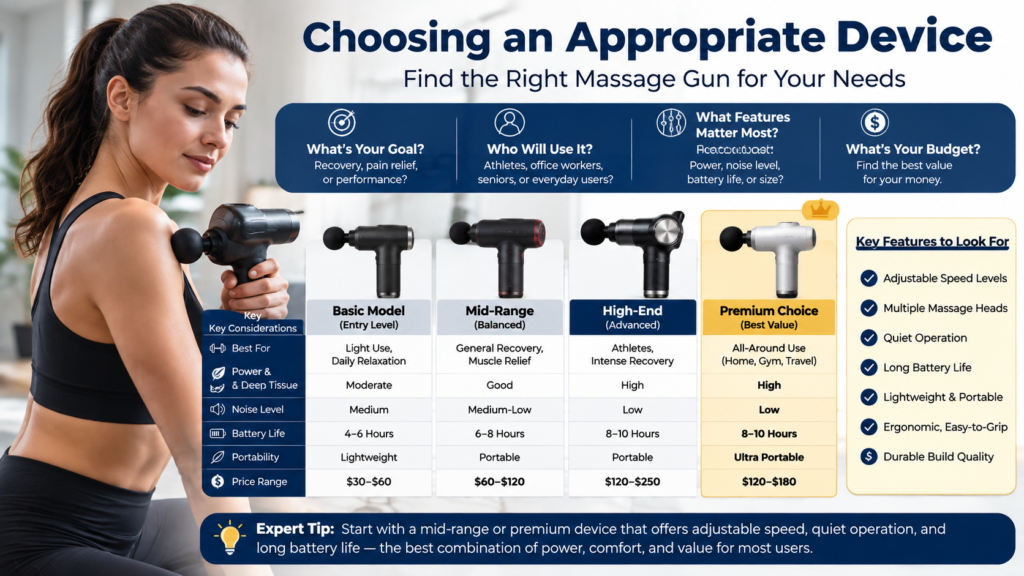
A suitable leg massager should match the child’s age, body size, and health needs. Parents should choose gentle settings, check the fit carefully, and avoid features that may create excess pressure or heat.
Compression Levels and Fit
Children should use only devices made for their age and size. Adult compression boots may fit too tightly or apply more pressure than a child can safely tolerate. A product should list a suitable age range, leg measurements, and a low-intensity setting.
The device should feel snug but never painful, numb, cold, or restrictive. Parents should check the child’s skin during use and stop the session if swelling, tingling, color changes, or discomfort appears. The child should remain supervised and should not sleep while wearing the device.
| Check | What to look for |
|---|---|
| Size | The child’s leg measurements fall within the maker’s range |
| Pressure | The lowest setting feels comfortable |
| Fit | The device does not pinch or leave deep marks |
| Materials | Soft, child-safe materials with no loose parts |
Children with circulation problems, unexplained leg pain, swelling, skin conditions, or blood-clot risks should not use compression devices unless a health professional approves them.
Heat, Vibration, and Other Features
Heat requires special caution because children may not notice or report excessive warmth quickly. A device without heat is usually the safer choice. If a clinician approves heated use, parents should select a low, adjustable temperature and check the child’s skin often.
Gentle vibration may suit some children, but strong vibration can cause discomfort or sensory distress. Parents should avoid devices with aggressive kneading, sharp pressure points, electrical stimulation, or unclear safety instructions. Features such as automatic shutoff, simple controls, washable covers, and clear age guidance improve safe use.
The child should use the device for a short session while awake and supervised. Parents should follow the manufacturer’s instructions and stop use if the child reports pain, dizziness, numbness, or unusual discomfort.
Safe Use Guidelines
Children should use a leg massager only with an adult present and, when needed, guidance from a health professional. Low pressure, short sessions, and regular checks can reduce the risk of pain, skin irritation, or injury.
Starting With Low Settings
An adult should read the device manual and check that the massager fits the child’s age, leg size, and health needs. If the manufacturer does not approve the device for children, the child should not use it.
The first session should use the lowest pressure, vibration, and heat settings, if heat is included. It should last about 5–10 minutes, not the full adult session time. The child should remain seated and should not sleep while using the device.
Stop the device if the child reports pain, numbness, tingling, burning, dizziness, or unusual weakness. A child with diabetes, reduced sensation, a bleeding disorder, a blood clot, poor circulation, open skin, swelling with no known cause, or a recent injury should use a leg massager only after medical advice.
Monitoring Comfort and Skin Changes
An adult should stay nearby and ask the child how the leg feels during use. The massager should feel gentle and comfortable; it should never cause sharp pressure, strong squeezing, or pain.
Check the skin before and after each session. Stop use if the child develops lasting redness, swelling, bruising, rash, blisters, or a change in skin temperature. Mild temporary redness can occur, but it should fade soon after the device stops.
The child should not use a massager over cuts, burns, infections, casts, braces, or areas with unexplained pain. Heat needs extra care because children may not notice or report a burn quickly. Stop use and seek medical care if leg swelling, severe pain, breathing trouble, or sudden weakness occurs.
When to Consult a Pediatrician
A pediatrician should assess children with ongoing leg symptoms, medical conditions, or unusual reactions to massage. Medical guidance also helps families choose safer options, settings, and limits for regular use.
Persistent Leg Symptoms
A child should stop using a leg massager and see a pediatrician if pain, swelling, numbness, tingling, weakness, bruising, or skin color changes continue after use. Medical care is also important when one leg looks or feels different from the other.
Parents should seek prompt care if the child has severe pain, sudden swelling, trouble walking, a cold or pale foot, or loss of feeling. These signs may need urgent assessment and should not be treated with massage.
A pediatrician should evaluate leg symptoms that occur without a clear cause, wake the child at night, or keep returning. The child should not use a massager over an open wound, rash, infection, recent injury, cast, or area with reduced sensation. Families can consult trusted medical guidance from the American Academy of Pediatrics.
Guidance for Ongoing Health Needs
Children with diabetes, circulation problems, nerve disorders, bleeding conditions, chronic pain, or recent surgery should ask a pediatrician before using a leg massager. The same applies to children who take blood-thinning medicine or have reduced ability to describe pain and pressure.
A pediatrician can decide whether massage is suitable and explain which body areas, pressure levels, heat settings, and session lengths to avoid. A child may need a medical device or physical therapy instead of a home massager.
For younger children, infants, and toddlers, families should not rely on general age advice. Developing bodies may respond differently to vibration, compression, and heat, so a clinician should approve the device and supervise every use.
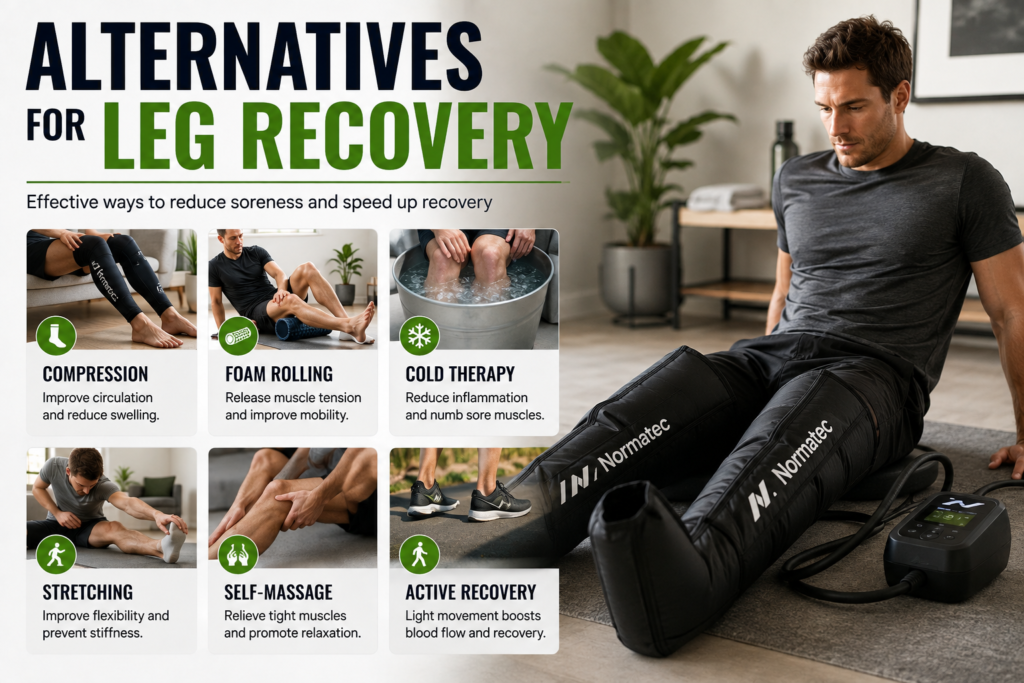
Simple movement, enough fluids, rest, and warm water can ease mild leg tiredness without powered equipment. These options also let an adult monitor a child’s comfort and stop if pain increases.
Gentle Stretching and Movement
A child can start with five to ten minutes of easy walking to warm the muscles. Afterward, gentle stretches may help reduce tightness. Useful options include a calf stretch against a wall, a seated hamstring stretch, and slow ankle circles.
Each stretch should feel mild, not painful. The child should hold it for about 15–30 seconds, breathe normally, and avoid bouncing. An adult can guide the movement and check that the child does not force a joint.
Light activity often works better than complete stillness for ordinary muscle tiredness. A child can try slow walking, easy cycling, or relaxed play. If swelling, bruising, weakness, numbness, limping, or severe pain appears, the child should stop and receive medical advice.
Rest, Hydration, and Warm Baths
Rest gives tired muscles time to recover. A child should avoid intense running or jumping until normal movement feels comfortable. Elevating the legs on a pillow for a short period may also feel soothing, but it should not cause pressure or discomfort.
Fluids support normal body function, especially after exercise or in hot weather. Water usually meets a child’s needs. An adult should offer small amounts regularly rather than pushing a child to drink a large amount at once.
A warm bath may relax tight muscles. The water should feel comfortably warm, not hot, and an adult must supervise the child at all times. A bath should not replace medical care for ongoing pain, injury, fever, or noticeable swelling.
FAQs
Can children use a leg massager?
Some children may use a leg massager, but the device must match the child’s age, size, and needs. A parent or caregiver should supervise every session and follow the manufacturer’s instructions.
What type is safest?
A simple device that provides gentle, passive pressure is generally easier to control. Children should avoid strong compression, deep-kneading settings, heat, and electrical stimulation unless a health professional approves them.
How long should a session last?
The child should start with a short session, such as five minutes, at the lowest setting. The caregiver should stop the device if the child feels pain, numbness, tingling, skin irritation, or discomfort.
When should a child avoid one?
A child should not use a leg massager over an injury, swelling, rash, open wound, or painful area. Medical advice is also important for children with circulation problems, bleeding disorders, nerve conditions, diabetes, or unexplained leg pain.
Can it treat a medical problem?
A leg massager may offer comfort after normal activity, but it does not diagnose or treat the cause of pain. A healthcare professional should assess ongoing pain, weakness, swelling, or changes in skin color.
Can a child use an adult device?
Adult devices may apply too much pressure or heat. Children should use only products labeled for their age and body size, with a caregiver present.
Conclusion
Children can use a leg massager in some cases, but safety depends on the child, the device, and how it is used. A gentle, age-appropriate product may help with relaxation or mild muscle fatigue, but it should not replace medical care.
Parents should choose a device made for children, use the lowest comfortable setting, and follow the manufacturer’s age and time limits. The child should remain supervised and stop using it if they feel pain, numbness, tingling, swelling, or skin irritation.
A child should not use a leg massager over an injury, rash, open wound, or unexplained painful area. Medical advice is important for children with circulation problems, nerve conditions, recent surgery, fever, or other complex health needs. A healthcare professional can help determine whether massage is suitable.

