
A neck massager may help relax tight muscles and temporarily reduce puffiness around the jaw, but it cannot remove fat or permanently reshape the face. For safer use, apply light pressure and guide the device upward along clean, moisturized skin without pressing on the throat or spine.
The right device, movement, session length, and frequency matter. This guide explains how to prepare the neck, avoid common mistakes, and support jawline health with realistic habits. It also covers when massage may be unsafe and when a medical professional should assess swelling or skin changes.
Key Takeaways
- Use gentle upward strokes and avoid the throat and spine.
- Massage may reduce tension or temporary puffiness, not fat.
- Stop if pain, dizziness, irritation, or unusual swelling occurs.
Understanding What a Neck Massager Can and Cannot Do
A neck massager may relax tight muscles and briefly reduce fluid-related puffiness around the jaw. It cannot remove fat, reshape the jawline, or replace proven treatments for loose skin or excess tissue.
Temporary Puffiness Versus Fat Reduction
Gentle massage may support normal fluid movement and reduce mild, temporary puffiness caused by sleep, salt intake, or muscle tension. Any slimmer look usually results from reduced swelling, improved muscle relaxation, or changes in lighting and posture. These effects do not permanently change the amount of fat under the chin.
A neck massager cannot break down fat cells. It also cannot tighten significantly loose skin or correct a structural double chin. Strong pressure will not improve these concerns and may cause bruising, soreness, skin irritation, or increased swelling.
For safer use, the device should move over the soft muscles beneath the jaw and along the sides of the neck. It should not press directly on the throat, spine, jawbone, or the large blood vessels at the front and sides of the neck. Low intensity and short sessions reduce the risk of irritation.
When Results May Be Noticeable
Muscle relaxation may occur during or soon after a session, especially when jaw clenching or neck tension contributes to a fuller appearance. Temporary puffiness may look reduced within minutes to a few hours, but the change can disappear after normal fluid shifts or another night of poor sleep.
| Concern | Possible effect of massage | Expected timing |
|---|---|---|
| Tight jaw or neck muscles | Temporary comfort and relaxation | During or soon after use |
| Mild fluid-related puffiness | Short-term reduction in swelling | Minutes to several hours |
| Fat beneath the chin | No meaningful reduction | Not expected |
| Loose skin | No reliable tightening | Not expected |
If the area remains swollen, painful, numb, or uneven, the person should stop using the device and seek medical advice. Persistent fullness requires assessment because it may involve body fat, skin laxity, swollen glands, dental problems, or another medical condition.
Choosing a Suitable Device
A suitable device should match the user’s goal, skin sensitivity, and comfort level. Massage tools may reduce temporary puffiness and help relax the jaw, but they cannot remove fat or permanently tighten loose skin.
Handheld Percussion Massagers
Handheld percussion massagers use rapid tapping or pulsing movements. They can relax tight jaw and neck muscles, but most models are designed for larger body areas and may feel too strong on the face.
The user should choose a model with a small, soft attachment, adjustable speed, and a low starting setting. The device should glide over clean skin with a water-based gel or suitable facial product. It should not press directly on the throat, windpipe, jaw joint, or front of the neck.
A short session of about three to five minutes is usually enough. The user should stop if the skin becomes painful, bruised, numb, or irritated. People with jaw disorders, recent facial procedures, blood-clotting problems, or implanted electronic devices should ask a health professional before using percussion therapy.
Rollers and Vibrating Devices
Rollers create gentler pressure than percussion tools. A smooth metal, stone, or silicone roller can support light massage under the jaw and along the sides of the neck. The user should move it outward toward the ears and then downward along the sides of the neck, using light pressure.
Vibrating rollers add movement but do not provide proof of permanent fat reduction or skin lifting. They may help temporary fluid movement and relaxation. A device with a removable head is easier to clean, while a rechargeable model may be more practical for regular use.
| Feature | What to look for |
|---|---|
| Contact surface | Smooth, nonporous, and easy to clean |
| Vibration | Several low-to-medium settings |
| Shape | Small enough to follow the jawline |
| Use | Light pressure without pulling the skin |
Heat and Intensity Settings
Heat can make massage feel more comfortable, but high temperatures can irritate or burn delicate skin. A device should offer gentle, adjustable warmth rather than a fixed high setting. The user should test it on the hand first and keep each heated session brief.
Intensity controls matter more than extra features. The lowest setting should feel comfortable, without sharp pressure, tingling, or pain. Microcurrent or EMS devices require their own safety instructions and may need conductive gel; they should not be used by people with certain implants or medical conditions without medical advice.
The user should avoid devices with damaged cords, exposed heating parts, or unclear instructions. Clean contact surfaces after each use, and avoid applying the tool over cuts, rashes, sunburn, swollen lymph nodes, or active skin infections.
Preparing the Jaw and Neck Area
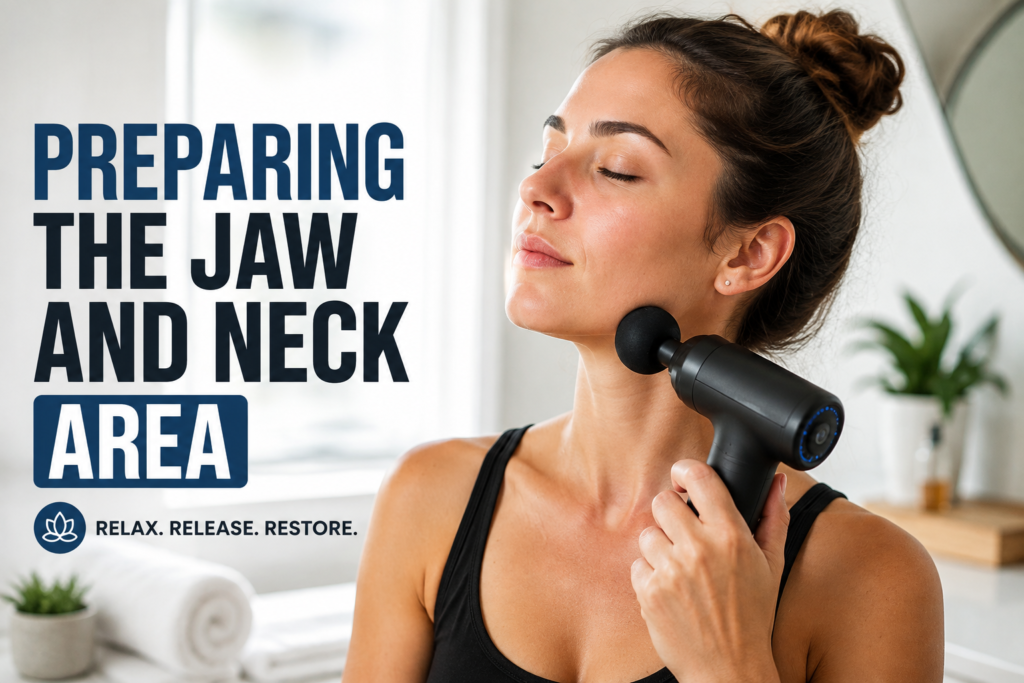
Clean, dry skin helps the massager move smoothly and lowers the risk of spreading dirt into pores. A small amount of suitable slip can reduce pulling, while a quick skin check helps prevent use on irritated or swollen areas.
Cleaning the Skin
The user should wash the jaw, chin, and front and sides of the neck with lukewarm water and a mild cleanser. This removes sweat, oil, makeup, sunscreen, and product residue that could interfere with the device. The skin should then be rinsed well and gently patted dry with a clean towel.
The device should also be clean before use. The user should follow the manufacturer’s cleaning instructions and avoid sharing the massager without disinfecting it. Clean skin does not prevent every reaction, so the user should avoid applying the device over cuts, active acne, cold sores, or broken skin.
Applying Slip for Glide
A thin layer of a simple, water-based gel or light, fragrance-free moisturizer can help the device glide across the jaw and neck. The user should apply enough product to reduce dragging but not so much that the device slips out of control. The product should suit the user’s skin and the device’s instructions.
Oil-based products may damage some materials or affect electrical contacts, especially on powered devices. The user should check the manual before applying any product and keep liquid away from charging ports, switches, and other openings. Products containing strong acids, retinoids, or irritating fragrance may increase sensitivity during massage.
Checking for Irritation or Swelling
Before starting, the user should inspect the skin in good light. Redness, warmth, rash, swelling, tenderness, bruising, open wounds, or signs of infection require avoiding the area until it heals or a health professional provides guidance.
The user should not press over a painful lump or unexplained swelling. They should stop if the skin becomes increasingly red, painful, numb, or itchy during use. A small product patch test can help identify sensitivity: apply the product to a small area and wait according to its label directions before using it across the jaw and neck.
Safe Placement and Movement Techniques
A neck massager should touch the jaw and neck muscles gently, not the spine, throat, or delicate structures under the chin. Low pressure, short sessions, and slow movements help reduce the risk of pain or skin irritation.
Working Along the Jawline
The user should begin with the device switched off and identify the firm muscle that runs from the area below the ear toward the chin. The massager should rest on the outer jawline or cheek muscle, rather than directly on the jawbone, teeth, or the soft area beneath the chin.
After starting at the lowest setting, the user can move the device slowly from the chin toward the ear. Each pass should take several seconds. The device should not stay in one spot for more than a few seconds, and it should not press into the joint just in front of the ear.
| Use the device on | Avoid placing it on |
|---|---|
| Outer jaw muscles | The jaw joint |
| Lower cheek muscles | Teeth or gums |
| Skin below the jaw | The underside of the chin with firm pressure |
The user should stop if the jaw clicks painfully, feels numb, or becomes more tender.
Massaging the Upper Neck
For the upper neck, the device should contact the broad muscles at the sides and back of the neck. It should sit beside the spine, never directly over the neck bones. The user should keep the head in a neutral position instead of bending it forward during treatment.
The device can move upward from the base of the neck toward the area below the jaw, using light pressure. It should not push upward into the jaw or remain pressed against one muscle for an extended time. A first session should last about 5 to 10 minutes, unless the manufacturer gives a shorter limit.
Heat requires extra care. The user should choose a low setting, check the skin often, and stop if burning, strong redness, dizziness, or unusual pain develops.
Avoiding the Front of the Throat
The front of the throat contains the airway, thyroid area, blood vessels, and other sensitive structures. A massager should never press on the center of the throat or the soft area beneath the chin. It should also stay away from the sides of the neck where the pulse can be felt.
The user should guide the device toward the outer jaw and side-neck muscles instead of dragging it across the throat. A handheld massager should remain in contact with muscle tissue, while a wearable device should fit loosely enough to avoid squeezing the neck.
The user should stop immediately after coughing, trouble swallowing, shortness of breath, faintness, tingling, or sharp pain. People with recent neck surgery, unexplained swelling, blood vessel problems, or a diagnosed neck condition should ask a health professional before using the device.
Recommended Session Duration and Frequency
Short, low-pressure sessions help the skin and muscles adjust without causing soreness. A neck massager may ease jaw tension, but it cannot remove a double chin or replace medical treatment for loose skin or excess fat.
Starting With Short Sessions
A first session should last 5 minutes on the lowest setting. The user should place the device along the jawline or upper neck, not over the throat, windpipe, thyroid area, or the front of the neck. The massager should glide gently rather than press deeply into the skin.
If the area feels comfortable, sessions can increase to 10 minutes after several uses. Most sessions should stay within 10 to 15 minutes. Longer use does not provide better shaping results and may cause redness, tenderness, bruising, or muscle irritation.
The user should stop immediately if they feel sharp pain, numbness, dizziness, swelling, or unusual warmth. A person with recent jaw surgery, facial injury, severe neck pain, or a medical condition affecting the neck should ask a health professional before using the device.
Building a Consistent Routine
For general jaw and neck tension, the user can try one short session once a day, up to five days per week. A person using a stronger massage setting should limit use to three to five sessions weekly and leave at least one rest day between intense sessions.
The device should move slowly over clean, dry skin. Heat should remain at a comfortable level, and the user should check the skin during and after each session. The routine should focus on comfort and muscle relaxation, not forceful pressure or attempts to reshape tissue.
If soreness lasts beyond the next day, the user should reduce the session length, lower the intensity, or take a break. Consistent massage may support temporary comfort and relaxation, but visible changes in a double chin usually require factors such as weight management, skin care, or professional treatment.
Safety Precautions and Contraindications
A neck massager should touch only the soft muscles along the jawline, not the throat, spine, or blood vessels at the side of the neck. Short, gentle sessions reduce the risk of bruising, skin irritation, dizziness, and nerve discomfort.
Medical Conditions Requiring Professional Advice
A person should ask a clinician before using a neck massager if they have blood-clotting problems, take blood thinners, have osteoporosis, cancer, an active infection, or recently had surgery or an injury. Professional advice also matters for people with a pacemaker or other implanted device, especially when using electrical stimulation or heat.
The device should not be used over swollen lymph nodes, an open wound, a rash, unexplained lumps, severe acne, or areas with reduced feeling. Anyone with jaw problems, such as a recent dental procedure, dislocated jaw, or painful temporomandibular joint disorder, should get dental or medical guidance first. A clinician can also advise whether massage is suitable during pregnancy or with uncontrolled high blood pressure.
Signs to Stop Immediately
The user should stop the device at once if they feel sharp or worsening pain, numbness, tingling, weakness, burning, or intense pressure. They should also stop if the skin becomes very red, bruised, swollen, blistered, or unusually warm.
Dizziness, faintness, nausea, trouble speaking, vision changes, facial drooping, trouble swallowing, or a severe headache require urgent medical attention. These symptoms should not be treated as normal massage effects. If breathing becomes difficult or swelling develops quickly, emergency services should be contacted. The user should never increase pressure to treat pain or continue a session after symptoms begin.
Supporting Results With Daily Habits

A neck massager may briefly reduce muscle tension and fluid-related puffiness, but it does not remove fat under the chin. Good posture, steady hydration, moderate sodium intake, and simple skin and muscle care can support a more defined appearance.
Posture and Neck Position
Poor posture can make the area under the chin look more folded. When a person leans forward, the head moves ahead of the shoulders and the skin under the jaw compresses.
During massage, they should sit or stand upright with the shoulders relaxed. They can keep the head level, lengthen the neck gently, and avoid pressing the chin tightly toward the chest. The massager should glide lightly from the center of the chin toward the jaw and then down the sides of the neck, following the device instructions.
They should not use strong pressure over the front of the neck. That area contains sensitive structures, including the windpipe and major blood vessels. Short sessions of about 5–10 minutes are usually sufficient.
Hydration and Sodium Intake
Fluid retention can make facial and neck puffiness look worse on some days. Drinking water regularly supports normal fluid balance, but extra water will not dissolve chin fat or create permanent skin tightening.
They should drink according to thirst and activity level. A person who exercises or sweats may need more fluids than someone who remains indoors. They should also limit frequent high-sodium foods, such as processed meats, packaged soups, chips, and fast food. Sodium can increase water retention in some people.
A balanced diet with vegetables, fruit, protein, and minimally processed foods supports a stable weight. Sudden weight changes can affect the amount of fat and loose skin around the jaw.
Skincare and Facial Exercises
A gentle moisturizer can reduce dryness and friction while the device moves across the skin. In the morning, sunscreen with SPF 30 or higher helps protect the neck from sun damage, which can worsen uneven texture and loss of firmness.
Facial exercises may improve awareness and muscle control, but they cannot target fat loss in one area. They can try holding the tongue against the roof of the mouth, keeping the lips closed, and maintaining relaxed breathing for several seconds. They should stop if the jaw or neck feels strained.
They should avoid pulling the skin, using painful pressure, or applying a massager over irritated skin, wounds, swelling, or a rash.
FAQs
Can a neck massager remove a double chin?
A neck massager cannot directly remove fat or permanently reshape the jaw. Gentle massage may reduce temporary puffiness by moving excess fluid, which can make the area look more defined for a short time.
How should it be used?
The user should clean the skin and apply a light serum or moisturizer to reduce friction. They should use gentle, upward strokes from the base of the neck toward the jaw, then move along the jawline from the chin toward the ears.
How long should each session last?
Most devices can be used for about 5–10 minutes, following the manufacturer’s instructions. Using the device several times per week may support a consistent skincare routine, but more frequent use does not guarantee better results.
Should the pressure feel strong?
No. The pressure should feel comfortable and should not cause pain, bruising, numbness, or lasting redness. The user should stop if irritation develops.
Can every massager be used under the chin?
Only devices designed for the face or neck should be used in this area. Users should avoid placing electrical devices over the front of the throat, damaged skin, or swollen areas.
Who should avoid an electric massager?
People with pacemakers, implanted electrical devices, certain medical conditions, or recent neck procedures should ask a health professional before using EMS or other electrical modes. A health professional can also advise anyone with unexplained swelling or neck pain.
Conclusion
A neck massager can support a jaw-care routine by easing muscle tension and temporarily reducing puffiness. Gentle upward strokes may help move fluid, but massage does not remove fat or permanently reshape the jawline.
For safer use, the person should:
- Clean the skin and device before each session.
- Apply a light serum or moisturizer to reduce friction.
- Use gentle pressure under the chin and along the jaw.
- Move the device upward and outward, avoiding the front and sides of the throat.
- Follow the device’s time and frequency instructions.
A gua sha tool, roller, or electric massager may improve the skin’s short-term appearance. Red-light devices may support skin care when used as directed, but results vary and require consistent use.
They should stop if they feel pain, numbness, dizziness, swelling, or skin irritation. Anyone with thyroid problems, swollen lymph nodes, recent neck surgery, or another medical condition should ask a health professional before using a neck massager.

