An EMS neck massager uses mild electrical pulses to stimulate muscles and may help ease temporary neck tension. Users should check the device manual because controls, pad placement, and safety limits vary by model.
To use one safely, place it on the back or sides of the neck, start at the lowest intensity, and stop if it causes pain, dizziness, skin irritation, or breathing trouble. The front of the neck and chest should be avoided because electrical pulses may affect breathing, blood pressure, or heart rhythm. People with pacemakers, heart conditions, seizure disorders, pregnancy, or ongoing medical treatment should seek medical advice before use.
Proper skin preparation, short sessions, cleaning, and safe storage can improve comfort and help protect the device. Michael Hayes of RemedyTip.com emphasizes checking health risks before trying any electrical wellness device and treating it as a comfort aid, not a cure for ongoing neck pain.
Key Takeaways
- Use low intensity on the back or sides of the neck.
- Avoid the front of the neck and chest.
- Stop use and seek advice for concerning symptoms.
Understanding EMS And Electric Pulse Technology
An EMS or electric pulse neck massager sends controlled electrical signals through adhesive pads on the skin. These signals may cause mild muscle contractions or reduce how strongly the body senses pain, but they do not replace medical care or correct the cause of neck pain.
How Electrical Stimulation Affects Muscles
EMS, or electrical muscle stimulation, sends short electrical pulses through the skin to nearby nerves and muscles. At a suitable intensity, the pulses can cause controlled muscle contractions. The user may feel tingling, tapping, or repeated tightening. A strong setting should not feel painful or like a sharp electric shock.
TENS programs work differently. They mainly stimulate sensory nerves and may provide temporary relief by changing pain signals. TENS does not directly strengthen muscles in the same way as EMS.
| Mode | Main purpose | Common sensation |
|---|---|---|
| EMS | Stimulates muscle contractions | Rhythmic tightening or pulsing |
| TENS | May reduce the feeling of pain | Tingling without strong contractions |
The user should place pads only as the manual directs. The neck contains sensitive structures, so the user should start at the lowest setting and stop if they feel pain, dizziness, skin irritation, or unusual symptoms.
What A Neck Massager Can And Cannot Do
A neck massager may provide short-term relief from muscle tightness, mild soreness, or tension. EMS may also make nearby muscles contract, while TENS may reduce the feeling of discomfort during or after use. Results vary by person, program, pad placement, and intensity.
The device cannot diagnose an injury, repair damaged tissue, or permanently correct poor posture. It also cannot replace exercise, physical therapy, or treatment for conditions such as nerve compression, severe arthritis, or a serious injury.
The user should avoid placing pads on the front or sides of the neck unless the manufacturer specifically allows it. They should not use the device with a pacemaker or other implanted electronic device, and they should ask a health professional before use during pregnancy or after a recent neck injury.
Checking Safety And Suitability
An EMS neck massager sends electrical pulses through skin electrodes, so the user should check health risks before turning it on. Safe placement also matters because the neck contains sensitive structures and should not receive stimulation in every area.
Medical Conditions And Devices To Consider
A person with a pacemaker, implanted defibrillator, deep-brain stimulator, insulin pump, or other electronic implant should not use an EMS massager unless a healthcare professional approves it. Electrical stimulation may interfere with some devices.
The user should also seek medical advice before use if they have epilepsy, heart disease, unexplained neck pain, reduced sensation, circulation problems, or a diagnosed neck injury. They should avoid the device over broken, infected, swollen, irritated, or numb skin. Pregnancy, recent surgery, and use of blood-thinning medicine also warrant professional guidance.
| Situation | Safe action |
|---|---|
| Implanted electronic device | Do not use without medical approval |
| Open wound or skin infection | Wait until the skin heals |
| Severe, sudden, or spreading pain | Stop and seek medical care |
| Uncertain medical history | Ask a healthcare professional first |
The user should stop immediately if the device causes sharp pain, dizziness, breathing trouble, faintness, or unusual heart sensations.
Choosing Safe Placement Areas
The user should place the pads only on clean, dry muscle areas specified by the manufacturer. For a neck model, this usually means the broad muscles on the back or sides of the neck, below the skull and away from the throat.
The pads should never touch the front of the neck, throat, windpipe, or the area directly over the spine. They should also stay away from the head, face, chest, and broken skin unless the manual specifically permits those locations.
Both pads should remain on the same general muscle area. The user should not place one pad on the neck and the other on the chest or across the body. Loose jewelry, creams, and wet skin can affect contact, so the user should remove them and follow the device’s placement guide.
Preparing the Device And Skin
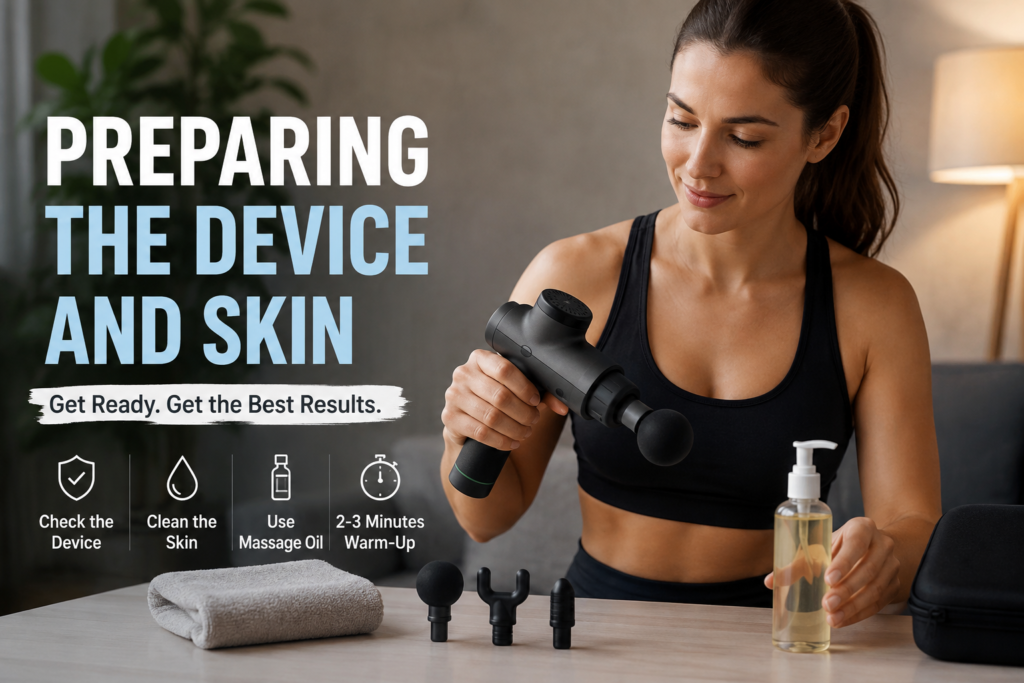
The device should have enough power before use, and the skin should be clean, dry, and free of products. Correct preparation helps the pads attach properly and reduces the chance of skin irritation.
Charging Or Installing Batteries
The user should check the manual to confirm whether the massager has a rechargeable battery or uses replaceable batteries. For a rechargeable model, the user should connect the supplied USB cable to the charging port and use the provided plug or a suitable USB power source. The device should remain switched off while charging unless the manual says otherwise.
The user should inspect the cable, plug, and battery compartment for damage. They should not use the massager if the casing is cracked, the battery is swollen, or the cable is frayed. The device should charge fully before its first use, based on the manufacturer’s stated charging time. It should not be used while connected to a charger unless the manual specifically permits it.
For models with batteries, the user should install the correct type and match the positive and negative symbols. Old and new batteries should not be mixed.
Cleaning And Positioning The Pads
The user should wash and dry the neck before attaching the pads. Oils, lotion, sweat, makeup, and dirt can reduce contact and may cause irritation. The skin should not have cuts, rashes, swelling, infection, or other damaged areas.
The user should inspect each pad before use. It should be clean, moist if the manual requires moisture, and free from tears or loose edges. The user should place the pads on the fleshy sides or back of the neck, following the device’s placement guide. Pads should not touch the throat, the front of the neck, the head, or broken skin.
| Check | Safe preparation |
|---|---|
| Skin | Clean, dry, and undamaged |
| Pads | Clean, intact, and properly moistened when required |
| Placement | Fleshy neck areas shown in the manual |
| Products | No lotion, oil, or makeup underneath |
Setting Up A Comfortable Session
A comfortable setup helps the user control the pulse level, keep the pads in the right place, and stop easily if discomfort occurs. Clean, dry skin and a quiet seated position support safer use.
Selecting A Starting Intensity
The user should begin with the lowest intensity, especially during the first session. The pulses may feel like light tapping, tingling, or small muscle contractions. A mild sensation is enough to start; the user should not increase the setting to create pain.
The device should sit flat against clean, dry skin on the sides or back of the neck, following its manual. The user should avoid placing it over the throat, the front of the neck, broken skin, or areas with reduced feeling. If the device uses water or conductive gel, the user should apply only the amount listed in the instructions.
The user can raise the intensity one step at a time after several seconds. He or she should stop increasing it when the sensation becomes strong but comfortable. The user should stop the device if it causes sharp pain, burning, dizziness, worsening symptoms, or unusual muscle spasms.
Choosing Modes And Session Duration
The user should select a gentle massage or low-pulse mode first. Some models combine EMS or TENS pulses with heat, vibration, or massage. Heat should remain at a low setting until the user knows how the skin responds.
The user should follow the device manual for the session limit. If the manual does not state a duration, a short session of about 10 minutes provides a cautious starting point. The user should not sleep while wearing the device or use it longer than directed.
| Setting | Practical starting choice |
|---|---|
| Mode | Gentle or low pulse |
| Intensity | Lowest level, then increase slowly |
| Heat | Off or low at first |
| Position | Seated, with the neck relaxed |
| Duration | Follow the manual; start briefly |
The user should turn the device off before removing or repositioning it. People with a pacemaker or other implanted electronic device, seizure disorders, pregnancy, serious heart conditions, or current medical treatment should ask a clinician before using an EMS or electric pulse massager.
Using The Massager Correctly
Correct placement and gradual intensity help the device deliver comfortable stimulation. The user should follow the product manual, keep the skin clean, and stop if pain, burning, dizziness, or unusual symptoms occur.
Applying The Device To The Neck
The user should turn the massager off before placing it on the neck. Clean, dry skin helps the contact pads sit properly. The device should rest against the sides and back of the neck, following the manufacturer’s placement marks. It should not press against the throat, the front of the neck, the head, or broken, irritated, or infected skin.
The user should sit upright and keep the shoulders relaxed. After securing the device, they should check that it feels even and does not pinch the skin or restrict movement. Loose contact can cause uneven stimulation, so the user should reposition the device instead of increasing the power.
The user should begin with the shortest treatment time listed in the manual. Many EMS devices combine muscle stimulation with TENS-style settings, but each model uses different programs. The user should read the product instructions before selecting a mode.
Adjusting Sensation During Treatment
The user should start at the lowest intensity and increase it slowly with the control buttons. A mild tingling, tapping, or rhythmic muscle contraction can be normal. The sensation should remain comfortable and controlled, not sharp, painful, or intense enough to cause strong neck movement.
If the sensation feels uneven, the user should turn the device off and adjust its position. Increasing intensity will not correct poor contact. The user should also reduce the setting if the skin becomes hot, numb, irritated, or uncomfortable.
The user should not fall asleep while wearing the massager or use it longer than the manual allows. People with a pacemaker, implanted electrical device, seizure disorder, or other medical concerns should ask a health professional before use. Safety guidance for electrical stimulation also appears in resources such as TENS information.
Aftercare And Maintenance
Turn off the massager before removing it, then protect the device from heat, moisture, and pressure. Clean the electrode surfaces after each use, and replace pads or accessories when they no longer adhere properly.
Removing And Storing The Device
The user should lower the intensity to zero and switch off the massager before taking it off. Removing the device while electrical pulses continue may cause discomfort or pull at the skin. He or she should lift the unit gently instead of dragging it across the neck.
After use, the user should check the skin for lasting redness, swelling, or irritation. Mild, short-term redness can occur, but continued discomfort requires stopping use and contacting a health professional.
The device should be stored in a cool, dry place away from direct sunlight, water, pets, and children. The user should keep the controller, charging cable, electrode pads, and any protective covers together. He or she should not fold, cut, or place heavy objects on gel pads, and should follow the product manual for battery charging and storage instructions.
Cleaning Electrodes And Accessories
The user should wipe the device with a soft, slightly damp cloth after removing it from the neck. He or she should keep water, alcohol, sprays, and cleaning fluids away from the controller, charging port, and buttons unless the manufacturer permits them.
Reusable gel pads should remain covered when not in use. If they collect dust, hair, or skin oil, the user can clean the skin before the next session and gently smooth the pads back onto their protective film after use. The user should not rinse, scrub, or apply soap to adhesive electrodes unless the manual specifically allows it.
Pads that become dry, damaged, loose, or less adhesive should be replaced with the correct model. The user should inspect wires and connectors for cracks or exposed parts, and stop using the massager if any damage appears. Electrode placement and safety guidance can vary by device, so the user should consult the manufacturer’s instructions before changing accessories.
Troubleshooting Common Issues
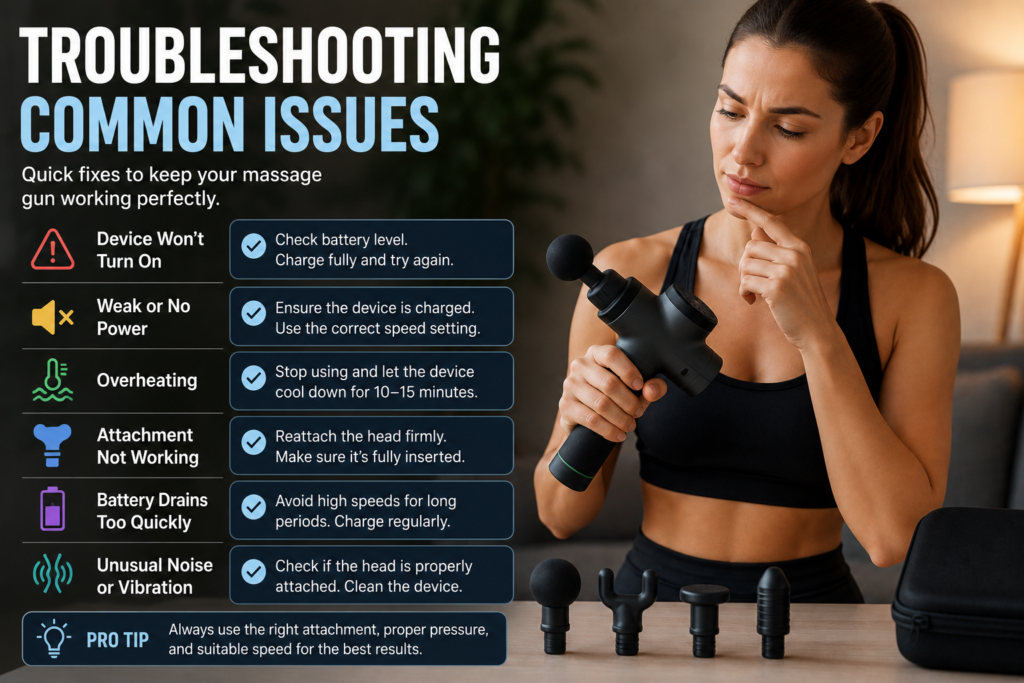
Correct pad placement, clean skin, and a charged device often resolve pulse problems. Lower intensity and short sessions can also reduce discomfort while the user adjusts to the sensation.
Weak Or Uneven Pulses
The user should turn the massager off and check that the contact pads sit flat against clean, dry skin. Hair, lotion, sweat, or loose contact can block the current and make one side feel weaker. The user should reposition the device according to its manual and press it gently against the neck without forcing it.
A low battery can reduce performance, especially in rechargeable models. The user should charge the device fully or replace its batteries if applicable. If the device has intensity controls, they should increase the level slowly rather than starting at maximum.
The user should inspect the pads and cables for cracks, peeling, or loose connections. If the pulses remain uneven after cleaning, charging, and repositioning, the user should stop using the device. Internal battery or circuit failure may require the seller’s support or a qualified repair service.
Skin Irritation Or Uncomfortable Sensations
The user should stop the session if they feel sharp pain, burning, strong shocks, numbness, or prolonged tingling. Mild tingling can occur with EMS, but the sensation should remain comfortable. The user should lower the intensity and shorten the session before trying again.
The skin should be clean and dry before use. The user should not apply the massager over cuts, rashes, swelling, sunburn, or irritated skin. After removal, they should check for lasting redness, blisters, or pain and avoid further use until the skin recovers.
The user should clean the contact pads as directed and avoid using creams or oils under them. Anyone with an implanted electronic device, heart rhythm problems, or a recent heart attack should ask a doctor whether the massager is safe before use.
FAQs
What does an EMS neck massager do?
It sends mild electrical pulses through the skin to cause small muscle contractions. Some devices also include heat or vibration, but features vary by model.
How should someone start using it?
The user should clean and dry the neck, place the device as directed, and begin at the lowest intensity. They can increase the setting slowly if it feels comfortable. It should not feel painful or cause burning.
How long should each session last?
The user should follow the device manual for session length and frequency. They should stop if they feel pain, dizziness, skin irritation, or unusual discomfort.
How does the device charge?
Many rechargeable units connect to a computer or wall outlet with a USB cable and plug. The user should use the supplied charger or a compatible one listed in the manual.
How long do adhesive pads last?
For devices that use adhesive pads, frequent use may reduce their life to about four to six months. The user should replace pads when they no longer stick well or produce even contact.
Who should avoid using one?
People with pacemakers or other implanted electronic devices should not use EMS unless a qualified health professional approves it. Pregnant users and people with serious medical conditions should seek medical advice first. The device should not be used on broken, irritated, or numb skin.
Conclusion
An EMS or electric pulse neck massager can help ease mild muscle tension when a person uses it correctly. The device sends gentle electrical pulses through its contact points, while some models also provide heat or vibration.
The user should begin with clean, dry skin and the lowest intensity. They should place the device as directed, increase the setting slowly, and follow the manufacturer’s time limit. Strong discomfort, burning, dizziness, or skin irritation means the session should stop.
Safe-use reminders:
- Keep the device away from the front of the throat, broken skin, and metal jewelry.
- Do not use it while sleeping, driving, bathing, or operating machinery.
- People with pacemakers, implanted electronic devices, seizure disorders, or pregnancy should ask a health professional before use.
- Persistent or severe neck pain needs medical evaluation rather than self-treatment.
Regular cleaning and proper storage help keep the device safe and functional. With careful use, it may provide short-term comfort, but it should support—not replace—medical care or treatment for an underlying condition.