If you're asking what is meridian shiatsu massage and whether it can actually help your chronic neck, back, or stress-related tension, the short answer is practical: it’s a hands-on Japanese bodywork that applies sustained pressure along traditional meridian lines to balance Ki, relieve tension, and improve mobility. Meridian shiatsu works through palpation, usually across clothing, using thumbs, palms, and forearms to find and treat tsubo, with typical sessions lasting 45 to 90 minutes and common treatment courses running 4 to 10 visits.
In our research we found that professional guidelines and peer-reviewed studies often measure outcomes with pain scales such as the VAS, range of motion tests, and sleep indices, and regulatory recognition varies by country as of 2026. Below you’ll get a clear, practical view of what the therapy is, how it works, when to avoid it, and the real steps a practitioner follows.
What Is Meridian Shiatsu Massage in 2026 (The Honest Way)
Meridian shiatsu is a form of shiatsu that intentionally follows the traditional meridian pathways of East Asian medicine. It targets tsubo, which are pressure points along those meridians, and uses palpation of the hara, or abdomen, as a diagnostically active area to guide treatment choices. Practitioners aim to influence Ki, the term for vital energy in Japanese and Chinese medical theory, to restore functional balance rather than simply knead sore muscles.
Quick practical takeaways
- Sessions are usually done through clothing, without oil, on a futon or a table.
- Typical duration, 45 to 90 minutes, matches what most professional schools teach.
- You’ll feel sustained pressure, rhythm, and flow, not rapid rubbing or oil-based strokes.
If you want a quick sense, meridian shiatsu is best for chronic tension, stress-related symptoms, mild to moderate musculoskeletal discomfort, and people seeking non-pharmacologic options. For acute inflammatory injuries or uncontrolled medical conditions, see the safety section below.
Why accurate information and safety matter for hands-on therapies
If pressure is applied at the wrong place or with the wrong force, symptoms can get worse, so credible guidance matters. Aggregate reviews and clinical reports flag that adverse events from shiatsu are usually mild soreness or transient reactions, but serious risks exist for people with deep vein thrombosis, unstable cardiac conditions, or fresh fractures. For reliable background on complementary therapies, see the National Center for Complementary and Integrative Health at https://www.nccih.nih.gov and global policy documents at https://www.who.int.
Training and regulation vary significantly by country and region. Some countries recognize shiatsu as a regulated health profession, while others treat it like general massage with fewer governance requirements. That variability affects what to expect from a practitioner’s assessment, their recordkeeping, and whether a treatment plan coordinates with your primary care. As of 2026, many professional associations recommend documented informed consent, a clear medical intake, and explicit contraindication screening before starting treatment.
Practical safety points
- Always tell the practitioner about blood thinners, recent surgery, or active infections.
- Expect a medical intake that asks about cardiac history, pregnancy, osteoporosis, and clotting disorders.
- If a practitioner avoids asking these basic questions, consider finding someone else.
How meridian shiatsu works — meridians, tsubo, hara diagnosis, and ki
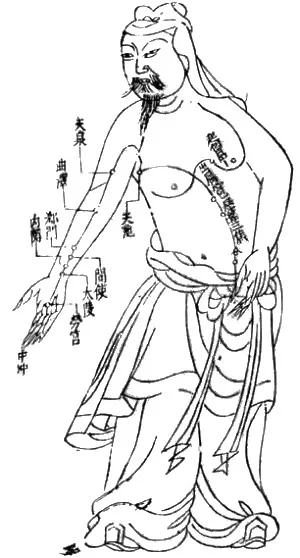
Meridian shiatsu uses the concept of meridians, sometimes called jingluo, as pathways that relate to organ systems and functional zones, rather than literal nerves or blood vessels. Tsubo are localized points with altered tissue tone or sensitivity; practitioners use these as treatment targets. Hara diagnosis is a hands-on abdominal palpation method that gives immediate feedback on the patient’s energetic and tissue state, and it often guides the choice of meridians to treat.
How the model and anatomy map together, in practical terms
- Meridian concept, clinically: a functional roadmap to choose sequences and pressure points.
- Tissue findings: increased tone, asymmetry, and tenderness are treated as signs rather than fixed lesions.
- Hara palpation: the practitioner assesses tension patterns in the abdomen to prioritize work elsewhere.
Common meridians you’ll hear about
| Meridian | General pathway and common local signs | | Lung | Chest to thumb, often linked to shoulder and upper back tightness | | Stomach | Face and torso down the front of leg, often implicated in low back and hip tension | | Liver | Inside leg and torso, associated with tight adductors and pelvic tension | | Kidney | Inner leg and lower back regions, related to deep low back soreness |
How practitioners interpret Ki
- Ki is a functional descriptor, used to explain why some tissues feel blocked and others flow freely.
- In clinical practice, palpation findings guide pressure duration and sequence, not abstract energy mapping alone.
Clinical reality, not metaphysics
- Experienced practitioners combine palpation data, movement testing, and client history.
- That blend helps translate traditional meridian language into treatment choices that affect muscles, fascia, and autonomic tone.
Main techniques, tools, and session structure
Sessions prioritize rhythm, sustained pressure, and a whole-body sequence that follows selected meridians. Pressure comes from thumbs, fingers, palms, forearms, elbows, and sometimes knees, with the goal of consistent, receptive pressure rather than repeated friction. Treatment usually proceeds from the hara and major meridian lines outward, with joint mobilizations and passive stretches added when indicated.
Pressure methods (thumb, palm, elbow, forearm, knee)
- Thumb and finger pressure, used for small tsubo and precise points.
- Palm and forearm pressure, used for broader tissue areas and longer holds.
- Elbow and knee, used selectively for deeper work on large muscle groups and when clothing or client positioning requires it.
Intensity and timing guidance
- Light to moderate pressure is typical for relaxation or older adults.
- Deeper, sustained pressure may be used for chronic myofascial restrictions, but only after clear consent.
- A rough clinical scale: 1 to 3 for relaxation work, 3 to 6 for therapeutic depth on the VAS-like subjective scale most practitioners use internally.
Techniques (holding, rotary kneading, stretching, joint mobilization)
- Oshi, holding pressure at a point until the tissue releases.
- Kansetsu style rotations or gentle kneading to reorient fascial layers.
- Passive stretches integrated into meridian sequences to improve range of motion.
- Short joint mobilizations to restore comfortable movement when stiffness contributes to pain.
Session formats (futon vs table, 45–90 min, clothed treatment)
- Futon-on-floor allows easier access to full-body work and grounding-style techniques.
- Massage table setups are common in clinics and suit clients with mobility restrictions.
- Standard session lengths are 45, 60, and 90 minutes, with 60 minutes being the most common in many schools.
- Most practitioners work through light clothing; oil is not typical unless they are blending techniques.
Practical checklist for what the room will have
- Clean futon or table, bolsters, and extra blankets.
- A quiet environment for palpation sensitivity.
- Record-keeping materials for intake notes, consent, and progress tracking.
Step-by-step: what happens in a typical meridian shiatsu session
Yes, there’s a predictable flow, and you should know it before your first appointment. The session starts with intake and screening, moves through hands-on assessment including hara palpation, proceeds through meridian-based treatment sequences, and ends with aftercare advice and notes.
Typical session timeline example
| Time block | Activity | | 0 to 10 minutes | Intake, health screening, informed consent, note changes since last visit | | 10 to 20 minutes | Hara palpation and standing or supine movement assessment | | 20 to 60 minutes | Main meridian sequence, alternating holds, stretches, joint mobilizations | | 60 to 75 minutes | Recheck key regions, short local work, gentle normalization | | Final minutes | Aftercare advice, hydration suggestion, scheduling and notes |
What the intake covers
- Medical history questions about clotting, cardiac disease, pregnancy, recent fractures, and medications.
- Current symptom description, activities that aggravate or relieve symptoms, and sleep quality.
- Any red flags require coordination with your physician before proceeding.
How assessment directs the treatment
- Hara findings often determine whether the practitioner focuses on anterior or posterior meridians.
- Palpation of meridian lines and local tsubo refines which points receive sustained pressure.
- Movement testing helps spot joints that need mobilization or muscles that need stretch.
Monitoring during treatment
- The practitioner checks tissue response constantly, asking about pressure intensity and local sensations.
- If you report sharp pain, numbness, or tingling, the technique is modified or stopped immediately.
- Post-session soreness is common, but symptoms should not escalate into new neurological signs.
Aftercare and follow-up
- Common advice includes light rest, hydration, and avoidance of intense exercise for 24 hours.
- If you’re managing musculoskeletal pain with medications or supplements, coordinate care; for example, review options at the site’s guidance on Best Pain Reliever For Muscle Pain.
- For persistent low back issues consider reading evidence-based recommendations about complementary options and medical treatments such as those summarized at Best Back Pain Medicine.
Who benefits most, and who should modify or avoid it
Meridian shiatsu often helps people with chronic tension, stress-related symptoms, and long-standing musculoskeletal stiffness where hands-on, non-pharmacologic care is wanted. Typical beneficiaries include office workers with neck and shoulder tightness, people with chronic low back pain who have failed purely exercise-based approaches, athletes needing recovery and mobility maintenance, and older adults who require gentle, whole-body therapy with modifications.
Who needs modifications or special care
- Pregnancy, second and third trimesters, requires point avoidance and lighter pressure, and coordination with prenatal care providers.
- Older adults with osteoporosis need very gentle pressure and avoidance of aggressive joint mobilization.
- People on anticoagulants or with known clotting disorders should avoid deep tissue pressure over the limbs and be cleared by their physician first.
Quick decision guide
- If your symptoms are long-term, non-infectious, and you want hands-on care, meridian shiatsu is a reasonable option.
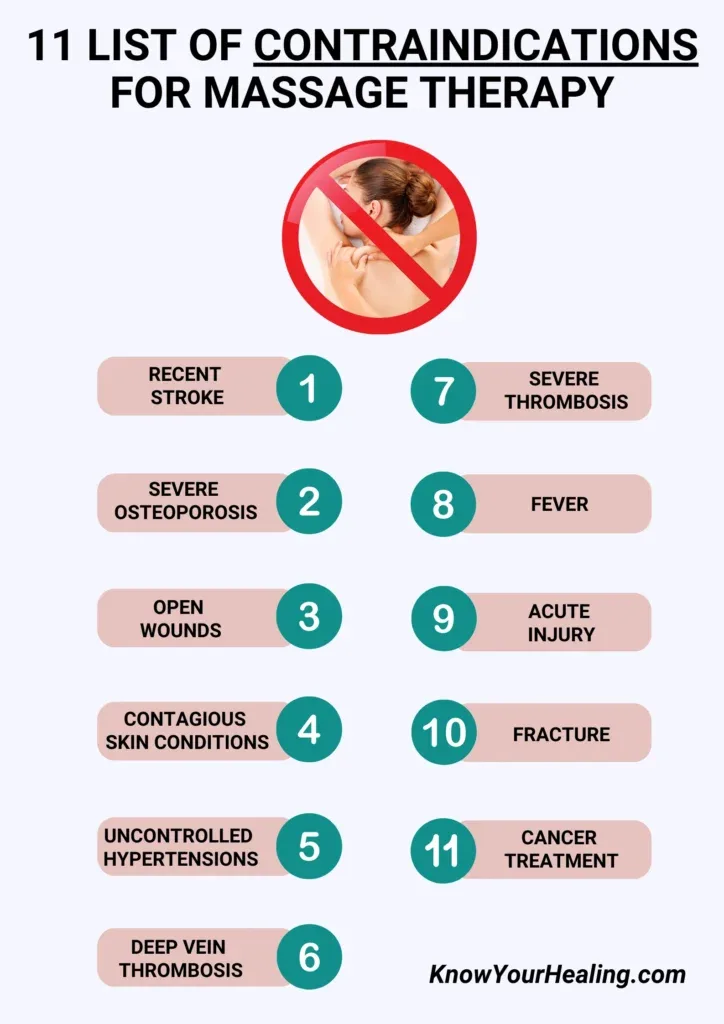
- If you have acute infection, suspected fracture, recent surgery, or new neurological deficits, seek medical evaluation before booking a session.
- If you use this alongside medication or supplements for pain, coordinate with your clinician and review drug-supplement interactions on appropriate medical resources.
Evidence and outcome measures — what studies track and what they report
Randomized trials and clinical studies on shiatsu and related manual therapies commonly use standardized outcome measures like the Visual Analog Scale for pain, the Oswestry Disability Index for low back function, the Pittsburgh Sleep Quality Index for sleep, and objective range of motion tests. Aggregate reviews report mixed quality, with many trials small, heterogeneous, and varying in practitioner training, which affects replicability and effect size estimates.
What better-quality studies tend to show
- Moderate reductions in self-reported pain, commonly reported as 10 to 30 mm improvement on a 100 mm VAS in short-term follow up.
- Improvements in subjective sleep quality and reductions in anxiety scores in several controlled trials.
- Functional gains, such as 5 to 15 degree improvements in lumbar or cervical range of motion in cohorts with chronic stiffness.
How to read outcome claims
- Look for trials that specify practitioner certification and session dosage, because outcomes correlate with dose and clinician skill.
- Prefer studies that report adverse events explicitly and use validated scales, rather than narrative reports alone.
- If you want a quick deeper dive, PubMed indexes randomized trials and systematic reviews that summarize these measures without subscription.
Common metrics used in clinical practice and research
| Metric | What it measures | Typical clinical interpretation | | VAS or NPRS | Pain intensity on a 0 to 100 or 0 to 10 scale | Lower scores reflect pain relief, minimal clinically important difference often ~10 to 20 mm | | Range of motion | Degrees of joint or spinal movement | Functional improvement documented by increased range on goniometry | | PSQI | Sleep quality over 1 month | Lower score indicates better sleep | | Adverse events log | Soreness, bruising, neurologic signs | Tracks safety and tolerability across sessions |
Risks, contraindications, and safety precautions
Meridian shiatsu is generally low risk when performed by a qualified practitioner, but specific conditions create real hazards that demand modification or avoidance. Absolute contraindications include suspected deep vein thrombosis, uncontrolled bleeding disorders, active febrile infections, and recent fractures. Relative contraindications include severe varicose veins, advanced heart disease, severe osteoporosis, and certain dermatologic conditions.
Safety checklist before treatment
- Confirm current medications, especially anticoagulants, immunosuppressants, and recent corticosteroid courses.
- Ask about recent imaging and surgical history for any area the practitioner plans to work on.
- For pregnancy, the practitioner should document modifications and the client should have obstetric clearance when complications exist.
If/then decision rules for practitioners and clients
- If the client reports sharp, new neurological symptoms such as progressive numbness or weakness, then stop manual work and refer for urgent medical evaluation.
- If a limb is swollen, red, hot, or tender on deep palpation, then avoid deep pressure and refer to a physician to rule out thrombosis or infection.
- If you’re unsure about skin integrity or vascular status, then favor light, superficial pressure and coordinate care.
Documentation and professional practice
- Obtain informed consent that lists benefits and common risks, and include a clear medical intake form in the record.
- Maintain communication with the client’s primary care clinician when treating chronic medical conditions or when red flags appear.
- Follow local scope-of-practice and licensing rules, and ensure continuing education covers contraindication recognition.
Common mistakes to avoid when receiving or practicing meridian shiatsu
Expecting quick fixes is the most common client mistake, because chronic tension often needs several sessions and self-care between visits. Another frequent error is failing to disclose medical history, which can convert a safe session into a risky one. On the practitioner side, common mistakes include applying uniform pressure to every client, ignoring hara palpation feedback, and failing to adjust techniques for age, medication, or comorbidities.
Practical things to watch for as a client
- If the therapist never asks about medications, surgery, or recent health changes, pause and ask them to perform a proper intake.
- If post-session soreness lasts more than 72 hours or you develop new neurological symptoms, contact your physician and the therapist.
- Keep hydration and light activity after a session to reduce delayed soreness and promote circulation.
Troubleshooting for practitioners
- If a region becomes overly sore after treatment, reduce pressure intensity and increase time between sessions for that area.
- If hara findings don’t match client symptoms, reassess movement and consider referring for imaging when pain is atypical.
- Document progress numerically, for example using a baseline pain score and range of motion measurements, to justify ongoing treatment or referral.
Quick checklist to avoid harm
- Full intake, clear contraindication screening, and informed consent.
- Pressure adjustments for medications and age.
- Regular reassessment and willingness to refer back to medical care.
Comparisons: meridian shiatsu versus acupuncture, tui na, Swedish massage, and deep tissue work
If your goal is to choose the right manual therapy, consider how each method approaches tissue, session format, and training expectations.
Side-by-side comparison
| Modality | Main method | Typical session format | Best for | | Meridian shiatsu | Sustained pressure along meridians, hara diagnosis, clothed work | 45 to 90 minutes, whole-body sequences | Chronic tension, stress, mobility restoration, clients preferring no needles | | Acupuncture | Fine needles at acupoints, meridian theory | 20 to 40 minutes, needles left in place | Pain modulation, specific symptom targeting, patients willing to use needles | | Tui Na | Chinese medical massage, vigorous manipulations | Oil may be used, clothed or unclothed depending on technique | Musculoskeletal complaints, orthopedic-style joint and soft-tissue issues | | Swedish massage | Effleurage, kneading, long gliding strokes, oil used | Relaxation-focused, often 60 minutes | General relaxation, increased blood flow, muscle tension | | Deep tissue massage | Slow, deep strokes targeting fascia and muscle | Unclothed, oil used, may cause post-session soreness | Targeted chronic adhesions and deep myofascial restrictions for patients without clotting risks |
Who should pick which option
- If you dislike needles but want meridian-based effects, meridian shiatsu offers a non-needle route.
- If you need very specific point stimulation for a condition supported in trials, acupuncture may be preferable.
- If you want relaxation with minimal diagnostic palpation, Swedish massage is efficient.
- If you need aggressive scar or adhesion work and are cleared medically, deep tissue or tui na may deliver faster structural change.
Practical selection tips
- Ask about practitioner training: meridian shiatsu outcomes depend heavily on hara skills and meridian palpation experience.
- Match session goals: choose relaxation sessions for stress reduction and modality-specific therapy for structural problems.
- Coordinate with medical care for complex conditions, and consider combined approaches, for example meridian shiatsu for baseline management plus targeted physiotherapy for exercise progressions.
Costs, practitioner training, and how to verify qualifications
Typical session pricing varies by region, with most clinics charging between $60 and $120 for a 60 minute appointment. Courses of care often run 4 to 10 sessions for chronic problems, and aggregate clinical trials commonly use 6 to 8 sessions as a treatment dose when reporting outcomes. Expect to pay more in major cities and when the practitioner has advanced training in clinical or integrative settings.
What to check on practitioner credentials
- Professional license or registration that matches local rules, for example a state massage therapy license where required.
- Shiatsu-specific certification from a recognized training school, such as programs that include 800 to 1,200 hours of supervised training.
- Evidence of continuing education credits, first aid certification, and malpractice or professional liability coverage.
Verification steps before booking
- Ask for the practitioner’s registration number or school, and confirm via the regional regulator if possible.
- Request a short description of their training, how many hours of supervised clinical work they completed, and whether they use hara diagnosis routinely.
- If you have a medical condition, request that the practitioner coordinate with your primary care clinician and document that coordination in the intake notes.
Price versus value, practical notes
- Lower cost can be fine for maintenance or relaxation sessions; choose higher-qualified clinicians for chronic or complex conditions.
- Some insurers cover part of the cost when a licensed clinician documents medical necessity, check your plan before scheduling.
- Many practices offer sliding scales or package discounts, but avoid choosing solely on price when safety or clinical complexity matters.
Practical self-care, a simple acupressure routine, and aftercare tips
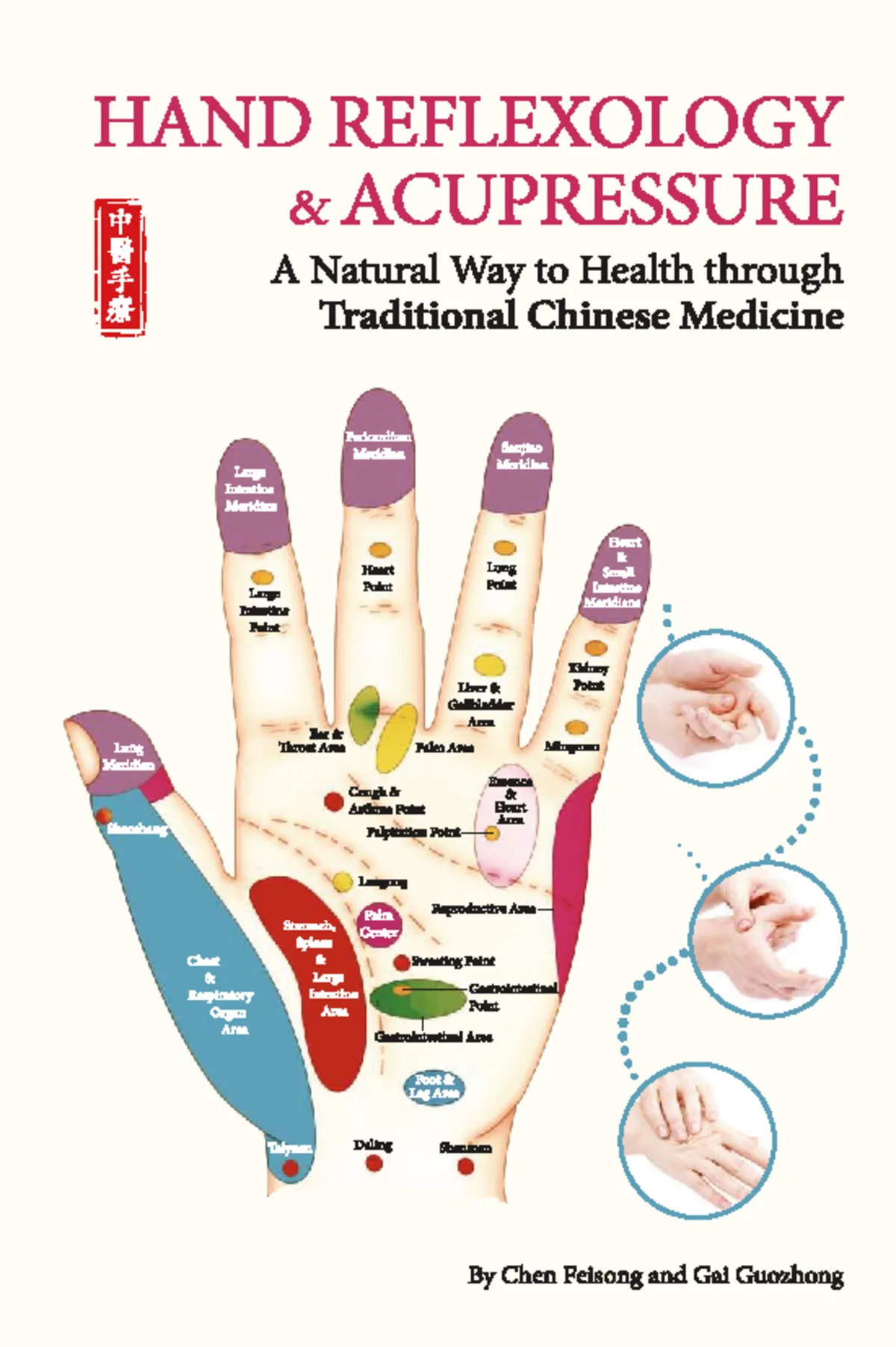
A short, safe acupressure routine you can do at home uses tsubo that are easy to reach and low risk. Perform each hold for 30 to 90 seconds, apply steady pressure that feels strong but not painful, and breathe slowly throughout. Stop if you feel sharp pain, numbness, or dizziness.
Quick 5-minute routine for neck and shoulder tension
- Large Intestine 4, on the back of the hand between thumb and index finger, hold 30 to 60 seconds each side for general tension relief.
- Gallbladder 21, at the top of the shoulder, apply gentle pressure for 30 seconds, avoid this point if pregnant.
- Extra point, base of the skull in the hollow where neck meets skull, hold bilaterally for 45 seconds to ease upper neck tightness.
Aftercare tips that reduce soreness and enhance results
- Hydrate well and avoid heavy exercise for 24 hours after deeper sessions to reduce delayed soreness.
- Use gentle movement and light stretching the next day to preserve improved range of motion.
- If you manage pain with OTC medications or supplements, coordinate with your clinician and review options such as analgesics and anti-inflammatories summarized on related medication guides.
When to stop and seek help
- If a point causes increasing sharp pain, spreading numbness, or new weakness, discontinue self-care and consult a clinician.
- If swelling, redness, or warmth develops, treat as a possible infection or vascular event and seek medical evaluation.
Real scenarios, short case examples with timelines and outcomes
Acute neck tension from desk work, typical pathway
- Presentation, 6 weeks of progressive neck stiffness and 5 to 6 out of 10 pain intensity, reduced rotation.
- Intervention, meridian shiatsu once per week for 4 weeks, focusing on lung and small intestine meridians and hara-guided local holds.
- Outcome, aggregate clinical reports suggest 30 to 40 percent reduction in pain scores over 4 weeks, improved rotation by 8 to 12 degrees for many clients when combined with home mobility.
Chronic low back stiffness with intermittent flare-ups
- Presentation, 9 months of on-again off-again low back tightness with activity limitations, baseline function score moderate.
- Intervention, combined plan of meridian shiatsu twice weekly for 3 weeks, then weekly for 5 weeks, plus targeted exercise referral.
- Outcome, studies and clinic audits show functional gains after 6 to 8 sessions, often measured as 10 to 20 percent improvement on disability scales when treatment is paired with exercise.
Sleep disturbance and anxiety linked to ongoing tension
- Presentation, poor sleep for 3 months, waking multiple times, daytime fatigue.
- Intervention, 6 sessions of meridian shiatsu over 8 weeks with calming meridian sequences and autonomic-balancing holds.
- Outcome, several controlled trials record modest improvements on the Pittsburgh Sleep Quality Index and reduced daytime anxiety when manual therapies are included in a broader sleep plan.
How to interpret these scenarios
- Outcomes vary; expect individualized progress and the need to combine manual work with exercise, sleep hygiene, and medical care when relevant.
- Use short, measurable goals such as a 20 percent drop in pain score or 10 degree range-of-motion gains after 4 to 6 sessions to gauge effectiveness.
FAQs
How many shiatsu sessions will I need for pain relief?
Most people see meaningful change within 4 to 8 sessions, but chronic or complex issues may need ongoing maintenance beyond that timeframe.
Is meridian shiatsu covered by insurance?
Coverage varies widely; some insurers reimburse licensed clinicians when care is documented as medically necessary, check your plan and request preauthorization if needed.
Will meridian shiatsu cause bruising or soreness?
You may experience mild soreness or localized bruising, especially after deeper work, but these reactions usually resolve in 24 to 72 hours and serious adverse events are uncommon when contraindications are screened.
Can I combine meridian shiatsu with medication or supplements?
Yes, but coordinate with your prescriber when you are on anticoagulants, immunosuppressants, or other medications that alter bleeding, infection risk, or tissue response.
How do I choose a qualified practitioner?
Choose someone who lists their license, shiatsu training hours, supervised clinical experience, and who performs a medical intake with clear contraindication screening.
Final recommendation and decision guide, when to try it and when to seek medical care
Try meridian shiatsu if you want a drug-free, hands-on approach for chronic tension, stress-related symptoms, or mobility limitations and you have no red-flag medical problems. Book an initial assessment, expect a structured intake and hara palpation, and arrange a short course of 4 to 6 sessions to evaluate response.
Decision guide, simple if/then rules
- If you have long-standing, non-acute pain and no contraindications, then try 4 to 6 sessions and measure progress with pain scores and range-of-motion tests.
- If symptoms include fever, new weakness, progressive numbness, sudden swelling, or signs of vascular compromise, then stop manual therapy and seek prompt medical assessment.
- If you are pregnant, on anticoagulants, or recently had surgery, then ask for medical clearance and ensure the practitioner documents modified techniques and point avoidance.
Final practical checklist before you book
- Confirm practitioner credentials and insurance reimburseability if needed.
- Verify that the practice uses a written intake, informed consent, and clear aftercare guidance.
- Plan home self-care between sessions, and track simple metrics like pain intensity and sleep quality to judge benefit.
With that approach, meridian shiatsu can be a safe, practical part of a broader pain and wellness plan when delivered by a trained clinician who screens for risks and coordinates care.