By Ethan Carter / May 2, 2026
A practical guide to shiatsu foot massage
If your feet feel sore after standing, walking, working out, or sitting all day, shiatsu foot massage may be a simple way to relax tight soft tissue at home. I’m Ethan Carter, and I’ve spent years testing massage tools, recovery products, and pain relief methods. I focus on simple, practical advice that helps people feel better and recover faster at home.
In this guide, I’ll explain what shiatsu foot massage is, how it works, when it may help, when to be careful, and what features to look for in a home foot massager.
Quick answer: Shiatsu foot massage is a Japanese-style foot massage that uses firm kneading pressure on the soles, arches, and pressure points of the feet. It may help relax tight muscles, ease foot soreness, support circulation, and calm the body after long days of standing, walking, or exercise.
What Is Shiatsu Foot Massage and Why Does It Matter?
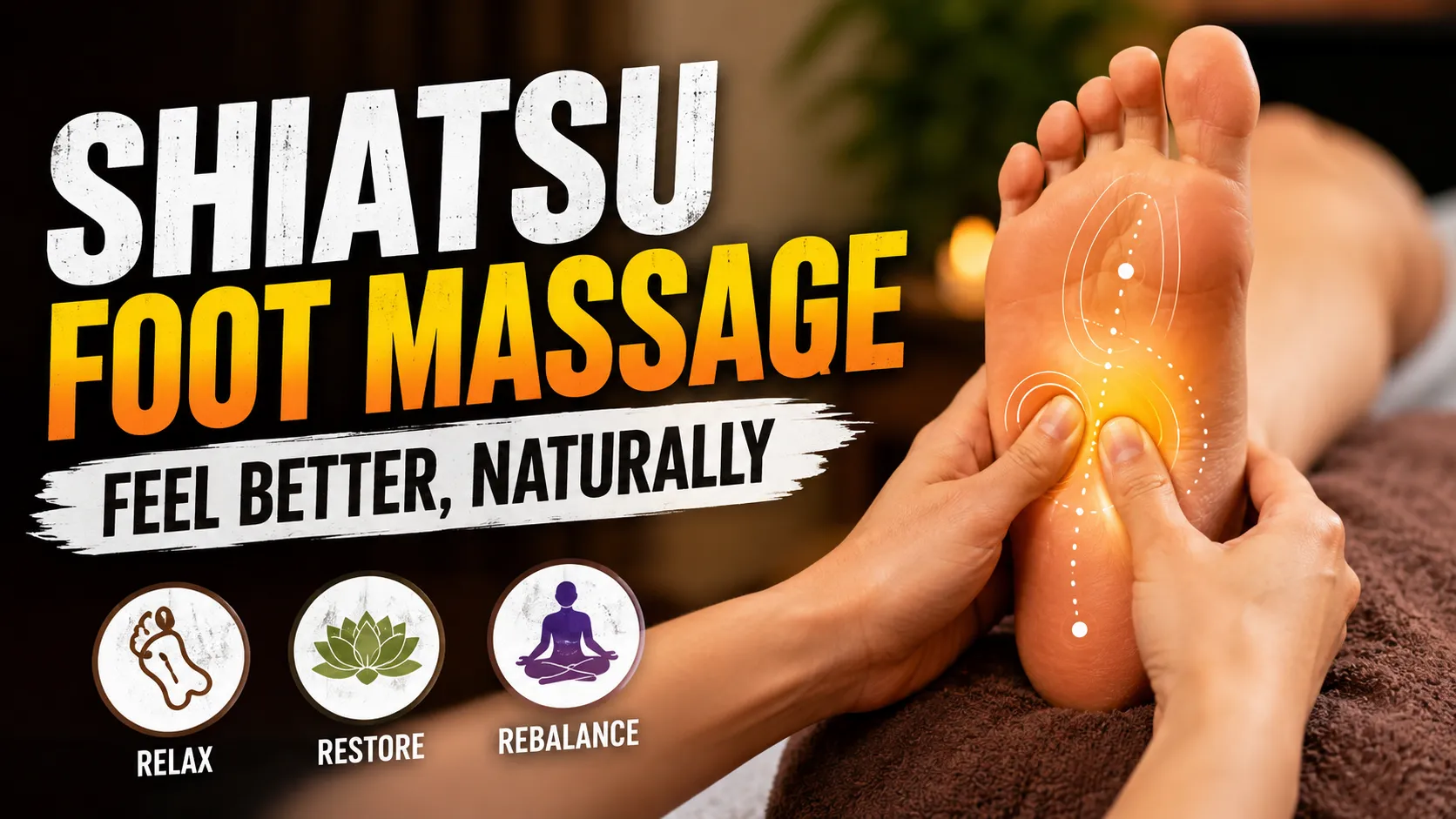
Shiatsu foot massage is a pressure-based massage method inspired by Japanese bodywork. The word “shiatsu” is often explained as “finger pressure.” In foot massage, that usually means steady kneading, rolling, or pressing motions applied to the bottom of the feet.
A trained massage therapist may use thumbs, palms, fingers, or body weight. A home shiatsu foot massager uses rotating massage nodes to copy that kneading feeling.
The goal is simple. It helps loosen foot tension, calm tired muscles, and create a relaxing pressure pattern that many people find soothing.
Why your feet get sore, tight, and tired
Your feet work hard all day. Standing on hard floors, walking long distances, running, lifting weights, wearing stiff shoes, or sitting for hours can all add tension to the feet and calves.
Common triggers include tight arches, stiff fascia, poor circulation, overuse strain, limited ankle mobility, and muscle fatigue. Stress can also make your body feel tighter, including your feet.
Massage therapy is commonly used to press, rub, and manipulate muscles and soft tissue. Mayo Clinic notes that massage may help reduce stress, pain, and muscle tightness while improving relaxation. Mayo Clinic massage therapy overview
How Shiatsu Foot Massage Works on Tired Feet
Shiatsu foot massage works through pressure, rhythm, and relaxation. It does not need to be painful to be useful. In most cases, a steady medium pressure works better than forcing deep pressure into sore tissue.
Good at
- Relaxing tired feet
- Loosening mild tightness
- Supporting a nighttime routine
- Helping sore feet after standing
- Adding comfort after workouts
Not meant for
- Diagnosing foot conditions
- Treating serious injuries
- Massaging fresh swelling or bruises
- Replacing medical care
- Forcing through sharp pain
Kneading pressure and soft tissue relief
Shiatsu foot massagers usually use rotating nodes that press upward into the soles. This can feel like thumbs kneading the arch, heel, and ball of the foot.
That pressure may help reduce the feeling of stiffness in soft tissue. It can also make your feet feel warmer and more relaxed after a long day.
Circulation, blood flow, and warmth
Gentle massage can support local blood flow by creating movement in the soft tissue. Many people like using shiatsu foot massage before bed because it feels calming and warming.
Some electric foot massagers also include heat. Heat may feel helpful when your feet are cold, stiff, or tense. Use heat carefully and avoid it if you have reduced skin feeling or have been told to avoid heat therapy.
Foot trigger points, fascia, and tight arches
The bottom of the foot contains layers of soft tissue, including fascia and small muscles. When the arch feels tight, a rolling or kneading massage can feel relieving.
This is one reason people often use a shiatsu foot massager after standing all day, walking on hard floors, or doing heavy lower-body workouts.
Note
Shiatsu foot massage should feel firm but comfortable. A “good pressure” feeling is fine. Sharp, burning, electric, or worsening pain is not something to push through.
How to Use a Shiatsu Foot Massager Safely at Home
A home shiatsu foot massager can be easy to use, but beginners should start slow. More pressure is not always better.
Start with clean, relaxed feet. Sit in a comfortable chair. Place both feet in the massager without pressing down too hard.
Choose the lowest pressure first. Let your feet adjust for a few minutes before increasing intensity.
Use 10 to 15 minutes per session. This is enough for most home routines. Longer is not always more helpful.
Add gentle stretching afterward. Try slow toe curls, ankle circles, and calf stretches to keep the feet loose.
Stop if pain feels sharp or unusual. Foot massage should not cause numbness, tingling, swelling, or stronger pain.
Tip
For nighttime stress relief, use a lower setting with heat for about 10 minutes. Keep the pressure relaxing, not intense.
Best Benefits of Shiatsu Foot Massage for Pain Relief and Relaxation
Shiatsu foot massage is not a cure for foot problems. But it can be a helpful part of a simple home recovery routine.
Sore feet after standing all day
If you work in retail, healthcare, warehouses, teaching, food service, or any job that keeps you on your feet, your soles may feel heavy by night. Shiatsu kneading can help your feet feel less stiff and more relaxed.
Stress relief before sleep
Foot massage can be a simple way to slow down after a stressful day. Cleveland Clinic describes massage therapy as skilled touch used to support wellness and relaxation. Cleveland Clinic massage therapy information
Post-workout recovery support
After running, lifting, hiking, or playing sports, your feet and calves may feel tight. A gentle shiatsu foot massage can support relaxation after exercise, especially when paired with hydration, stretching, and rest.
Better foot mobility and less stiffness
When your feet feel stiff, you may change how you walk. Over time, that can affect the ankles, knees, hips, and lower back. A simple massage routine may help your feet feel more mobile and comfortable.
Shiatsu Foot Massage for Common Problems: What Works Best?
Shiatsu Foot Massage Mistakes to Avoid
I’ve tested many foot massagers, and the biggest mistake I see is simple: people start too strong. Your feet have sensitive tissue. Give them time to adapt.
- Using too much pressure too soon: Start low, especially if your feet are sensitive.
- Massaging over swelling, bruises, or injuries: Wait until the area is safe to touch or ask a professional.
- Using heat too long: Heat should feel warm, not hot. Avoid heat if you cannot feel temperature well.
- Expecting one session to fix chronic pain: Massage may support comfort, but lasting pain needs proper evaluation.
- Ignoring red flags: Numbness, strong swelling, sudden pain, or unexplained foot changes should not be ignored.
Warning
Avoid deep foot massage over fresh injuries, open skin, severe swelling, suspected clots, fractures, or areas with numbness. The National Center for Complementary and Integrative Health notes that massage risk is generally low, but rare serious side effects have been reported, especially with vigorous massage or higher-risk people. NCCIH massage therapy safety guide
Safety Tips: Who Should Avoid Shiatsu Foot Massage?
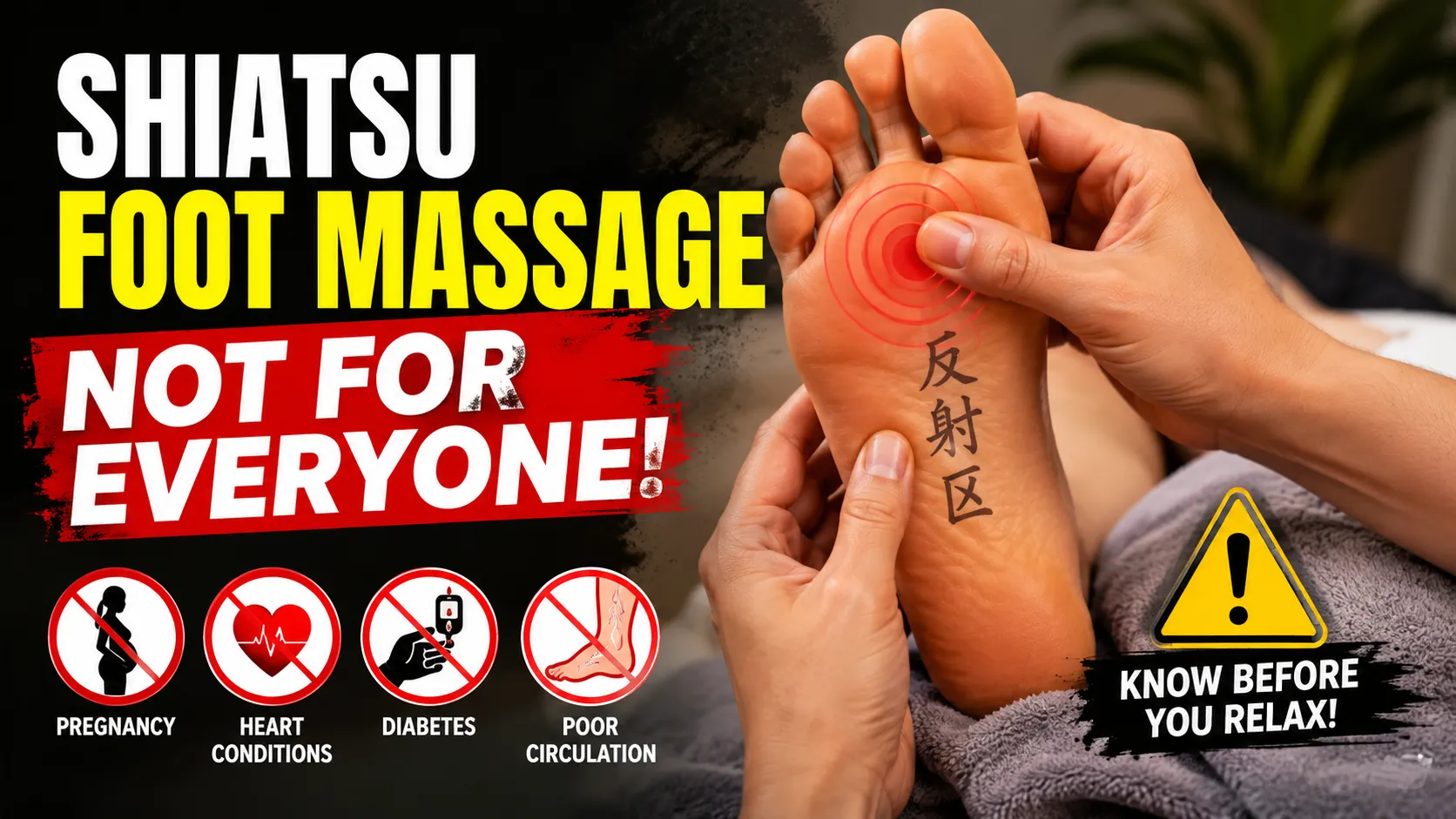
Most healthy adults can try gentle foot massage, but some people should be more careful. Shiatsu foot massage may not be right for everyone, especially when deep pressure, heat, or compression is involved.
Talk with a healthcare professional first if you have:
- Diabetes with reduced foot sensation
- Severe circulation problems
- Blood clot risk or unexplained swelling
- Recent foot, ankle, or leg injury
- Open wounds, skin infection, or bruising
- Severe osteoporosis or fragile bones
- Pregnancy-related swelling or foot pain
This does not mean massage is always unsafe. It means you should get guidance before using pressure, heat, or compression on your feet.
Best Shiatsu Foot Massage Tools for Home Use
For this keyword, product relevance is strong. Many people search “what is shiatsu foot massage” because they are thinking about buying a foot massager for home use.
Here are three useful product types to consider. Choose based on your pressure preference, budget, and space.
Electric Shiatsu Foot Massager With Heat
Best for sore feet after standing, walking, or working long shifts. Look for adjustable pressure, heat control, and an auto shut-off timer.
Manual Wooden Foot Roller
Best for people who want simple pressure control without electricity. It works well under a desk and is easy to store.
Foot and Calf Massager With Air Compression
Best for people who want a fuller lower-leg massage. This can be helpful if your calves also feel tight after workouts or long days on your feet.
Shiatsu Foot Massage vs Other Foot Massage Methods
What Features Should You Look for in a Shiatsu Foot Massager?
A good shiatsu foot massager should be easy to use, comfortable, and adjustable. I would rather buy a simple model with good pressure control than a flashy model with too many weak settings.
Simple At-Home Shiatsu Foot Massage Routine
15-minute evening routine
- Use low or medium pressure for 10 minutes.
- Add heat if your feet feel cold or stiff.
- Do 10 slow ankle circles each direction.
- Stretch your calves for 30 seconds per side.
- Drink water and let your body relax.
Post-workout recovery routine
- Cool down first with light walking.
- Use gentle shiatsu massage for 8 to 12 minutes.
- Stretch calves, arches, and toes.
- Avoid deep pressure if the feet feel irritated or swollen.
Gentle routine for older adults
- Start with the lowest setting.
- Skip heat if skin sensitivity is reduced.
- Use short sessions of 5 to 10 minutes.
- Stop if there is discomfort, numbness, or unusual pressure.
FAQ About Shiatsu Foot Massage
What is shiatsu foot massage?
Shiatsu foot massage is a pressure-based foot massage that uses kneading, rolling, or pressing motions on the soles, arches, and pressure points of the feet. It may help relax tired feet, ease mild stiffness, and support relaxation.
Is shiatsu foot massage good for foot pain?
Shiatsu foot massage may help with mild soreness, tight arches, and tired feet. It should not be used as a treatment for serious foot pain, sudden swelling, injury, numbness, or unexplained symptoms.
How long should you use a shiatsu foot massager?
Most people do well with 10 to 15 minutes per session. Beginners should start with shorter sessions and low pressure to see how their feet respond.
Can I use a shiatsu foot massager every day?
Many people can use a gentle shiatsu foot massager daily, but daily use should feel comfortable. Stop or reduce use if your feet become sore, irritated, numb, or more painful.
Is shiatsu foot massage the same as reflexology?
No. Shiatsu foot massage focuses on kneading and pressure for relaxation and soft tissue comfort. Reflexology focuses more on specific foot points that are mapped to different areas of the body.
Who should avoid shiatsu foot massage?
People with fresh injuries, severe swelling, open wounds, blood clot risk, serious circulation issues, reduced foot sensation, or unexplained foot pain should avoid deep shiatsu foot massage until they get professional guidance.
What is the best shiatsu foot massager feature to look for?
The best feature is adjustable pressure. It lets you start gently and increase intensity only if it feels comfortable. Heat, auto shut-off, and washable foot covers are also useful.
Final thoughts
Shiatsu foot massage is a simple, practical way to relax tired feet at home. It works best for mild soreness, foot tension, stress relief, and post-workout comfort.
If you are new to it, start with low pressure, short sessions, and a comfortable routine. A good shiatsu foot massager with adjustable settings can make home foot care easier without making the process complicated