In this guide, you will learn about the best foods to eat to help alleviate muscle cramps effectively. From hydrating fruits to mineral-rich vegetables, a balanced diet can play a crucial role in preventing and managing cramps. Embrace a nutritious approach to muscle health!
Key Takeaways
- Hydration is Key: Staying hydrated helps muscles function properly and can prevent cramps.
- Electrolytes Matter: Foods rich in potassium, magnesium, and calcium are essential in preventing cramps.
- Include Fruits and Vegetables: Fresh produce like bananas, spinach, and avocados provide vital nutrients for muscle health.
- Protein Sources: Consuming lean proteins can help repair muscle tissue and prevent cramps.
- Healthy Fats: Omega-3 fatty acids from fish and seeds reduce inflammation and support muscle recovery.
- Consider Timing: Eating a balanced meal before and after workouts helps maintain muscle function.
- Listen to Your Body: Recognize signs of dehydration or nutrient deficiency to adjust your diet accordingly.
Top Foods to Eat to Help Muscle Cramps Effectively
Muscle cramps can be uncomfortable and disruptive, often arising from dehydration, nutrient deficiencies, or overexertion. Fortunately, proper nutrition can significantly aid in relieving and preventing cramps. In this guide, we will explore various foods that are beneficial for muscle health and how you can incorporate them into your diet.
Understanding Muscle Cramps
Muscle cramps are involuntary contractions that can occur in any muscle but are most common in the legs. They can be caused by several factors, including:
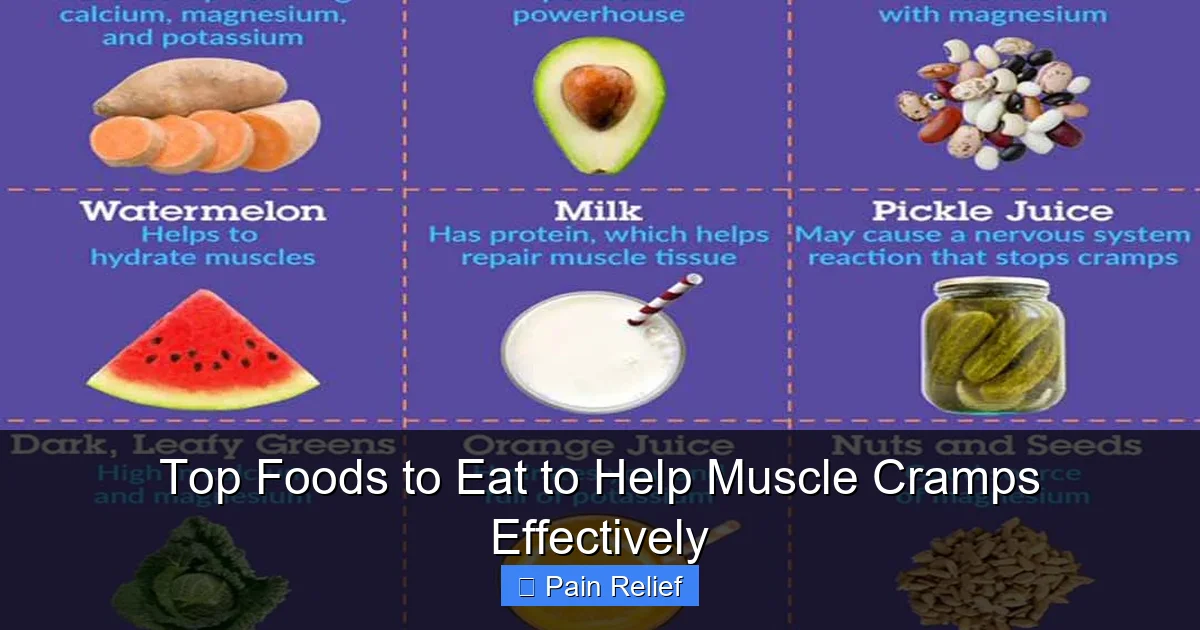
Visual guide about Top Foods to Eat to Help Muscle Cramps Effectively
Image source: consumer.org.my
- Dehydration
- Electrolyte imbalances
- Overexertion or fatigue
- Inadequate blood supply
- Holding a position for a long time
Knowing the causes can help you make dietary choices that support muscle function and overall health.
Step 1: Hydrate Adequately
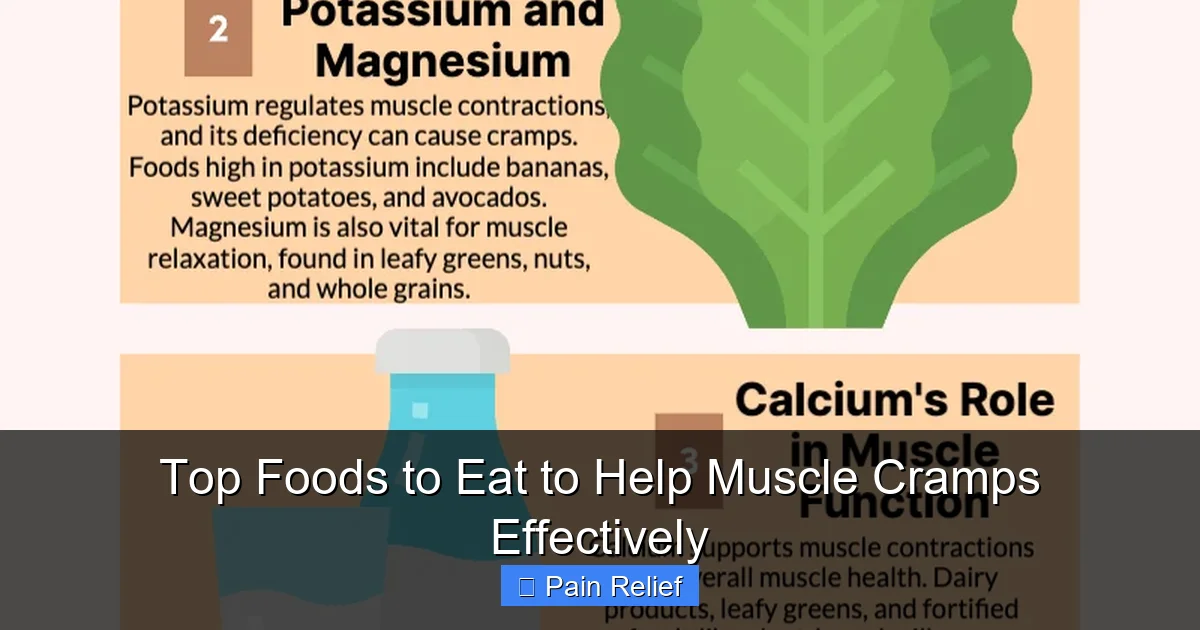
Hydration is critical for muscle function. Dehydration can lead to muscle cramps, especially during physical activity.
Visual guide about Top Foods to Eat to Help Muscle Cramps Effectively
Image source: isport360.com
Drink Plenty of Water
Ensure you drink enough water throughout the day. Aim for at least eight 8-ounce glasses, but increase this amount during workouts or hot weather.
Consider Electrolyte Drinks
Electrolytes like sodium, potassium, and magnesium are essential for muscle function. Consider drinks that contain these minerals, especially during or after exercise.
Step 2: Incorporate Potassium-Rich Foods
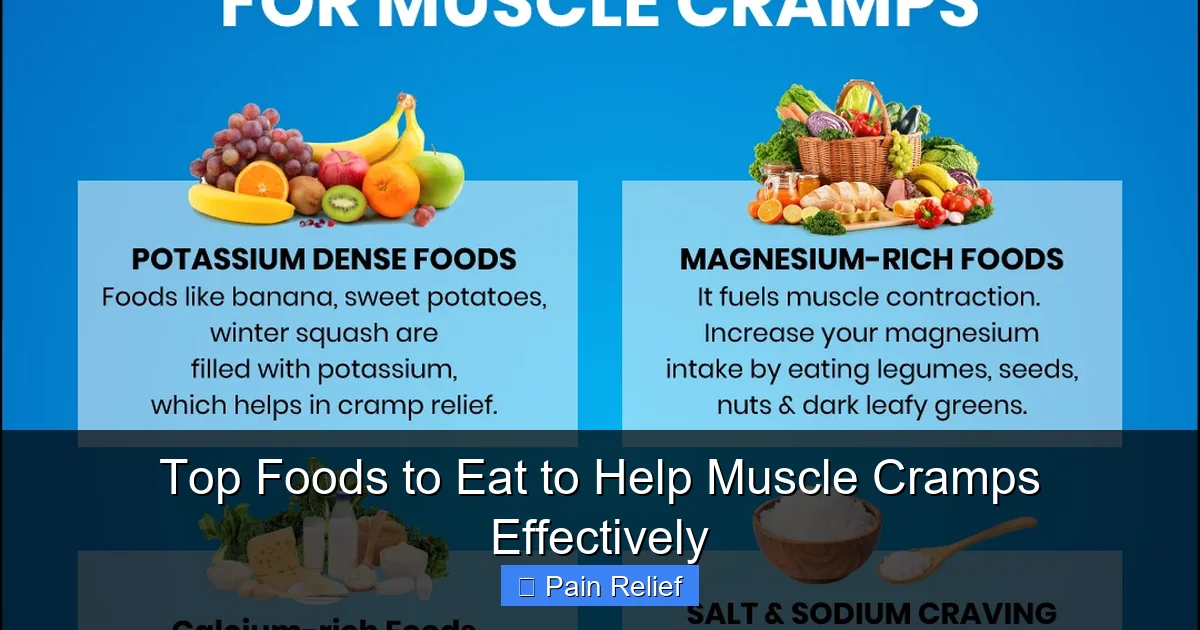
Potassium is crucial in preventing muscle cramps. It helps regulate muscle contractions and nerve signals.
Visual guide about Top Foods to Eat to Help Muscle Cramps Effectively
Image source: i.pinimg.com
Top Potassium Sources
- Bananas: A classic choice, bananas are easy to digest and packed with potassium.
- Sweet Potatoes: Rich in potassium and other nutrients, they make a great side dish.
- Spinach: This leafy green is not only versatile but also high in potassium.
- Avocados: Perfect as a spread or in salads, avocados are another potassium powerhouse.
Step 3: Add Magnesium-Rich Foods
Magnesium plays a role in muscle function and relaxation, helping to prevent cramps.
Magnesium-Rich Options
- Nuts and Seeds: Almonds, cashews, and pumpkin seeds are excellent sources of magnesium.
- Legumes: Beans and lentils provide magnesium along with protein and fiber.
- Whole Grains: Brown rice and quinoa are not only nutritious but also high in magnesium.
Step 4: Include Calcium Sources
Calcium is vital for muscle contractions. A deficiency can lead to muscle cramps.
Calcium-Rich Foods
- Dairy Products: Milk, yogurt, and cheese are rich in calcium and support muscle function.
- Leafy Greens: Kale and broccoli are excellent sources of calcium for those avoiding dairy.
- Fortified Foods: Some plant-based milk and cereals are fortified with calcium.
Step 5: Incorporate Protein
Protein is essential for repairing muscle tissue and can prevent cramps caused by muscle fatigue.
Lean Protein Sources
- Chicken and Turkey: These lean meats provide high-quality protein without excess fat.
- Fish: Salmon and tuna offer protein along with omega-3 fatty acids, which reduce inflammation.
- Plant-Based Proteins: Tofu, tempeh, and legumes are great for those on a vegetarian or vegan diet.
Step 6: Include Healthy Fats
Healthy fats, especially omega-3 fatty acids, can help reduce muscle inflammation and support recovery.
Sources of Healthy Fats
- Fatty Fish: Salmon, mackerel, and sardines provide omega-3s that help with muscle recovery.
- Flaxseeds and Chia Seeds: These seeds are easy to add to smoothies or cereals for a nutrient boost.
- Olive Oil: Use it as a dressing or for cooking to incorporate healthy fats into your meals.
Step 7: Timing Your Meals
When you eat can be just as important as what you eat. Proper meal timing can prevent muscle cramps during workouts.
Pre-Workout Nutrition
Before exercising, eat a balanced meal that includes carbohydrates, proteins, and healthy fats. This meal should be consumed 1-2 hours before working out.
Post-Workout Recovery
After exercising, refuel with a mix of protein and carbohydrates to aid in muscle recovery. Aim to eat within 30 minutes of finishing your workout.
Practical Tips for Success
To optimize your diet for muscle health, consider the following:
- Keep Hydration Accessible: Carry a water bottle with you to remind yourself to drink.
- Plan Your Meals: Prepare meals ahead of time to ensure you have nutritious options available.
- Experiment with Smoothies: Combine fruits, greens, and protein powders in smoothies for a quick nutrient boost.
Troubleshooting Common Issues
If you’re still experiencing muscle cramps despite making dietary changes, consider the following:
- Assess Hydration Levels: Check if you are drinking enough water throughout the day.
- Review Your Diet: Ensure you’re getting adequate amounts of potassium, magnesium, and calcium.
- Consult a Professional: If cramps persist, consult a healthcare provider to rule out any underlying issues.
Conclusion
Muscle cramps can be a nuisance, but with the right dietary choices, you can significantly reduce their frequency and severity. Focus on hydrating adequately, including potassium, magnesium, and calcium-rich foods, and ensuring your diet includes sufficient protein and healthy fats. By making these small changes, you can help your muscles stay healthy and cramp-free!
🎥 Related Video: Top 5 Foods to STOP Leg Cramps – Strengthen Your Legs FAST! Health Tips
📺 Health Way
Top 5 Foods to STOP Leg Cramps – Strengthen Your Legs FAST! Tired of painful leg cramps waking you up at night? These 5 …