Is alcohol bad for arthritis? This guide dives deep into the effects of alcohol on joint health and pain management for arthritis sufferers. You’ll learn the potential risks and benefits, as well as practical tips for making informed choices.
Key Takeaways
- Alcohol Can Worsen Inflammation: Drinking alcohol may increase inflammation, exacerbating arthritis symptoms.
- Moderation is Key: Some studies suggest moderate alcohol consumption may not significantly harm arthritis, but excess can be damaging.
- Choose Wisely: Certain types of alcohol, like wine, may offer anti-inflammatory properties, while others can be harmful.
- Individual Reactions Vary: Everyone reacts differently to alcohol; monitor your body’s response to find what works best for you.
- Hydration Matters: Alcohol can lead to dehydration, which can worsen joint pain; drink plenty of water.
- Consult a Doctor: Always talk to your healthcare provider about alcohol and arthritis management for personalized advice.
- Consider Alternatives: Explore non-alcoholic options that can help you enjoy social settings without the risks.
Is Alcohol Bad for Arthritis and How It Affects Your Joints
Arthritis is a common condition that affects millions of people worldwide. If you have arthritis, you may wonder about the role of alcohol in your life. Does it help or hurt? In this guide, we’ll explore how alcohol affects arthritis and your joints, providing you with the information you need to make informed choices.
Understanding Arthritis and Its Symptoms
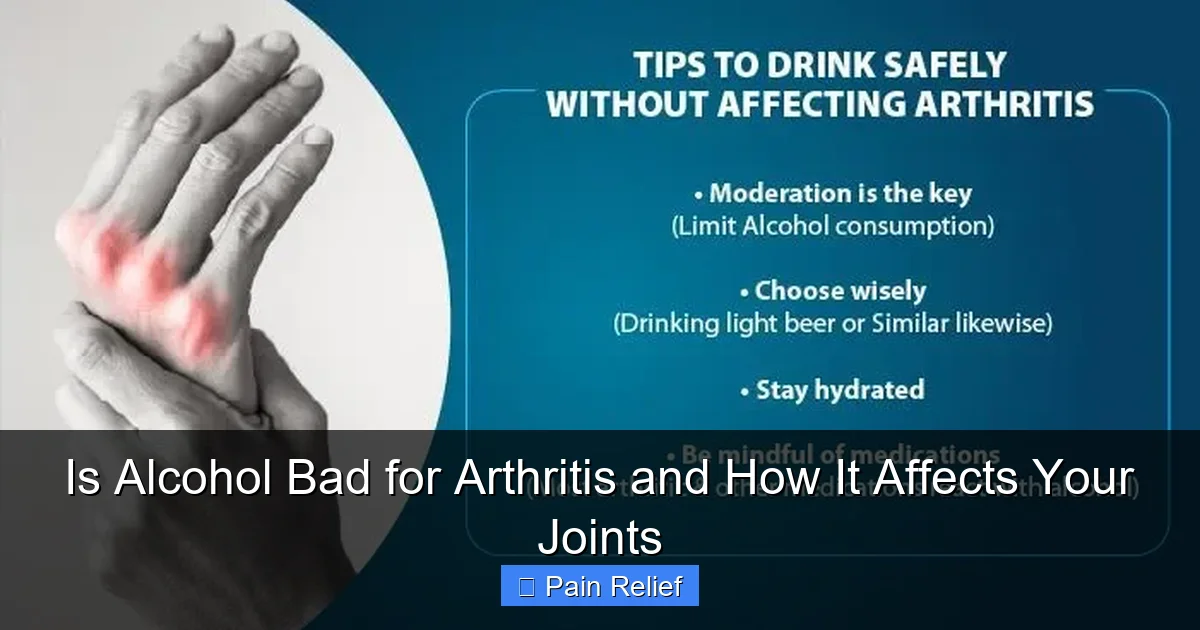
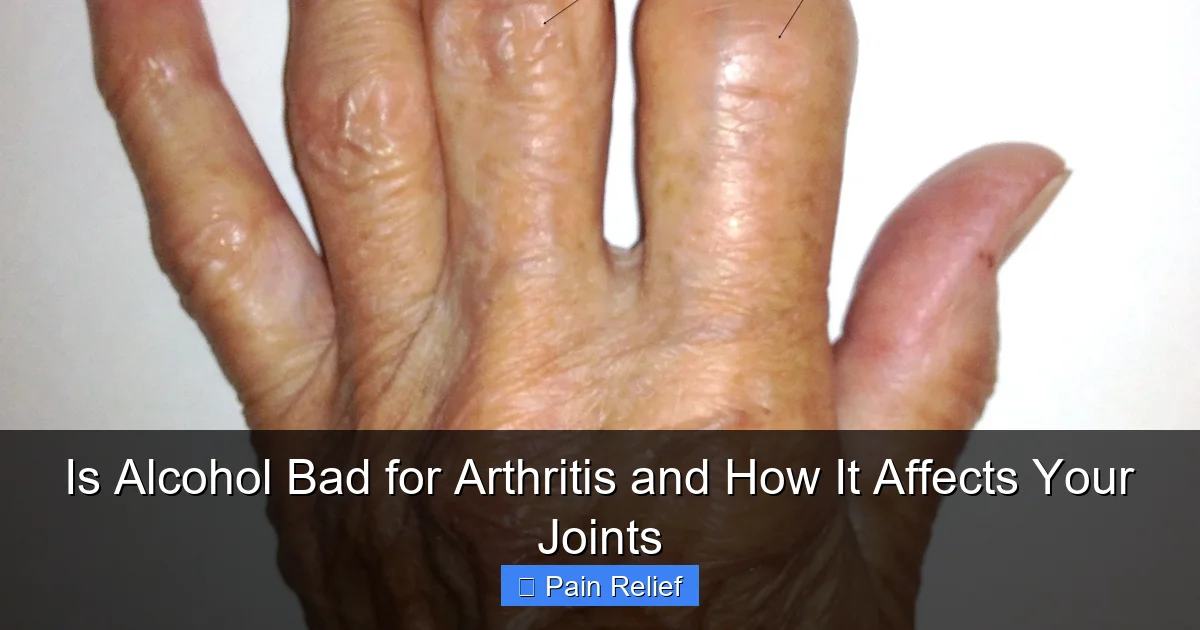
Before diving into the effects of alcohol, it’s essential to understand arthritis. Arthritis refers to inflammation of the joints, leading to pain, stiffness, and swelling. Common types include osteoarthritis and rheumatoid arthritis. Symptoms can range from mild discomfort to severe pain, affecting daily activities.
Visual guide about Is Alcohol Bad for Arthritis and How It Affects Your Joints
Image source: apollospectra.com
How Alcohol Affects Arthritis
Alcohol can impact arthritis in various ways. Below, we break down the relationship between alcohol consumption and arthritis symptoms.
Visual guide about Is Alcohol Bad for Arthritis and How It Affects Your Joints
Image source: creakyjoints.org.au
The Inflammation Connection
One of the primary concerns with alcohol and arthritis is the potential for increased inflammation. Many studies suggest that alcohol can lead to higher levels of inflammatory markers in the body, which may worsen arthritis symptoms. Here’s how it works:
- Alcohol Metabolism: When you drink, your body metabolizes alcohol, producing acetaldehyde, which can trigger inflammation.
- Immune Response: Alcohol can suppress your immune system, making it harder for your body to fight inflammation effectively.
Moderation Matters
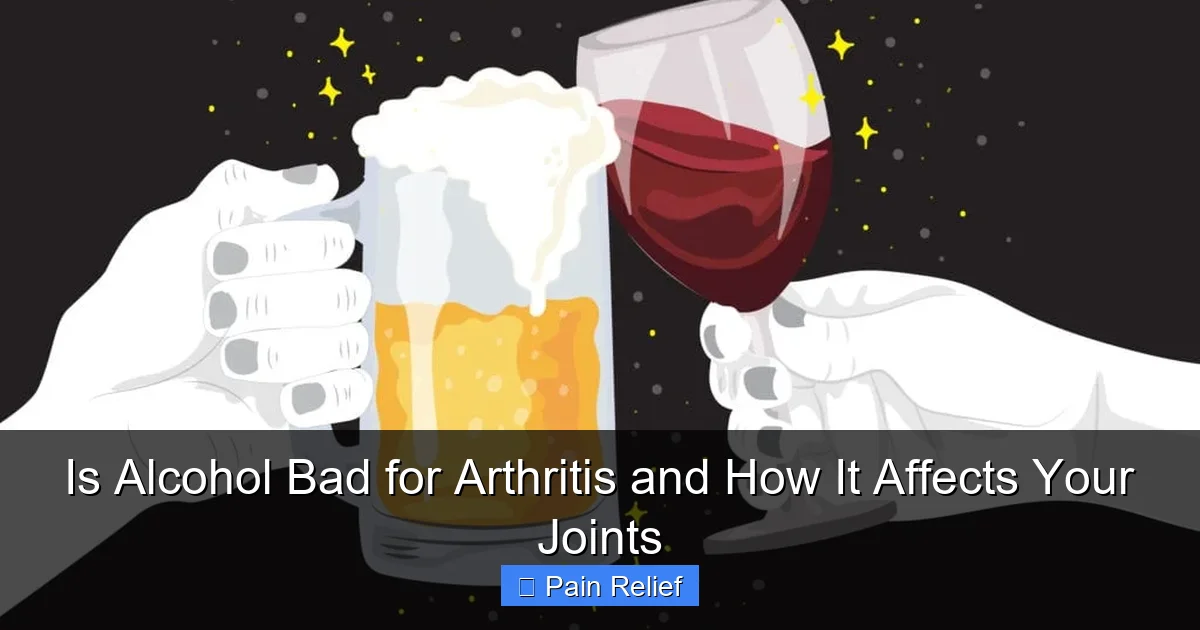
While heavy drinking can exacerbate arthritis, some research indicates that moderate alcohol consumption might not have the same negative effects. In fact, moderate intake of certain types of alcohol, like red wine, may even have anti-inflammatory properties due to antioxidants. However, moderation is crucial. The definition of moderate drinking generally refers to:
- One drink per day for women
- Two drinks per day for men
Types of Alcohol and Their Effects
Different types of alcohol can affect arthritis in varying ways. Here’s a closer look at some popular options:
Visual guide about Is Alcohol Bad for Arthritis and How It Affects Your Joints
Image source: oxfordorthopaedics.co.nz
Red Wine
Red wine is often touted for its health benefits due to its high levels of resveratrol, an antioxidant that may reduce inflammation. Some studies have linked moderate red wine consumption to lower rates of arthritis. However, this doesn’t mean you should start drinking if you don’t already!
Beer
Beer contains purines, which can increase uric acid levels in the body, potentially leading to gout, a form of arthritis. If you have a history of gout, it’s best to limit beer consumption.
Spirits
Spirits, like whiskey and vodka, can also have negative effects on joint health. They may lead to dehydration, which can worsen arthritis symptoms.
Practical Tips for Managing Alcohol Consumption
If you decide to consume alcohol, consider these practical tips to manage your intake effectively:
1. Monitor Your Symptoms
Keep a journal to track your symptoms in relation to alcohol consumption. Notice any patterns that may indicate a correlation.
2. Stay Hydrated
Alcohol can dehydrate your body, leading to increased joint pain. Make sure to drink plenty of water before, during, and after consuming alcohol.
3. Choose Non-Alcoholic Alternatives
If you enjoy social gatherings, there are plenty of non-alcoholic beverages available. Try sparkling water with fruit, non-alcoholic beers, or mocktails to enjoy the experience without the risks.
4. Consult Your Doctor
Always discuss your alcohol consumption with your healthcare provider, especially if you’re on medication for arthritis. They can offer tailored advice based on your health needs.
When to Avoid Alcohol
While moderate alcohol consumption may be acceptable for some, there are times when it is best to avoid alcohol altogether:
- During flare-ups of arthritis symptoms
- If you are taking medications that interact poorly with alcohol
- If you have a history of alcohol abuse or addiction
Troubleshooting Common Issues
If you notice increased pain or inflammation after consuming alcohol, consider the following:
1. Reduce Intake
If you suspect alcohol is affecting your arthritis, try cutting back and observe any changes in your symptoms.
2. Experiment with Different Types
Not all alcohol affects everyone the same way. Try different types and see if any particular one causes more discomfort than others.
3. Keep a Detailed Journal
Document your alcohol intake and any corresponding changes in your symptoms. This can help you identify what works and what doesn’t.
Conclusion
So, is alcohol bad for arthritis? The answer is not straightforward. While alcohol can exacerbate inflammation and worsen symptoms for some, moderate consumption may not be harmful for others. It’s essential to listen to your body, monitor your symptoms, and consult with your healthcare provider. Ultimately, understanding your individual response to alcohol can help you make informed choices that support your joint health and overall well-being.
🎥 Related Video: Is Drinking Alcohol Bad For Arthritis?
📺 The Arthritis Fix
Are you wondering how alcohol consumption truly impacts your arthritis symptoms? This video dives deep into the science behind …