In this guide, you will learn whether ice or heat is better for knee pain relief and recovery. Understanding when to use each method can significantly enhance your comfort and expedite healing. Explore practical tips and expert advice to manage your knee pain effectively.
Key Takeaways
- Understand the Difference: Ice is best for acute injuries, while heat is effective for chronic pain and stiffness.
- Ice Application: Use ice for 15-20 minutes every hour to reduce swelling and numb pain.
- Heat Application: Apply heat for 15-20 minutes to relax muscles and increase blood flow.
- Listen to Your Body: Everyone responds differently; pay attention to what feels better for your knee pain.
- Combine Techniques: Alternating between heat and ice can be beneficial depending on your symptoms.
- Consult a Professional: If pain persists, seek advice from a healthcare provider for a tailored approach.
- Stay Consistent: Regular application of heat or ice can lead to more effective pain management over time.
Is Ice or Heat Better for Knee Pain Relief and Recovery?
When it comes to managing knee pain, one of the most common questions is whether to use ice or heat. Understanding the benefits of each method is key to finding relief. This guide will walk you through when to use ice versus heat, how to apply each, and tips for maximizing their effectiveness. By the end, you will have a clear understanding of which method suits your needs best.
Understanding Knee Pain
Knee pain can arise from various sources, including injuries, arthritis, and repetitive stress. Knowing the cause of your pain will help you determine the best treatment method. Acute injuries, like sprains or strains, often require immediate attention, while chronic conditions may benefit from long-term heat application.
Visual guide about Is Ice or Heat Better for Knee Pain Relief and Recovery
Image source: physicaltherapyspokane.com
When to Use Ice
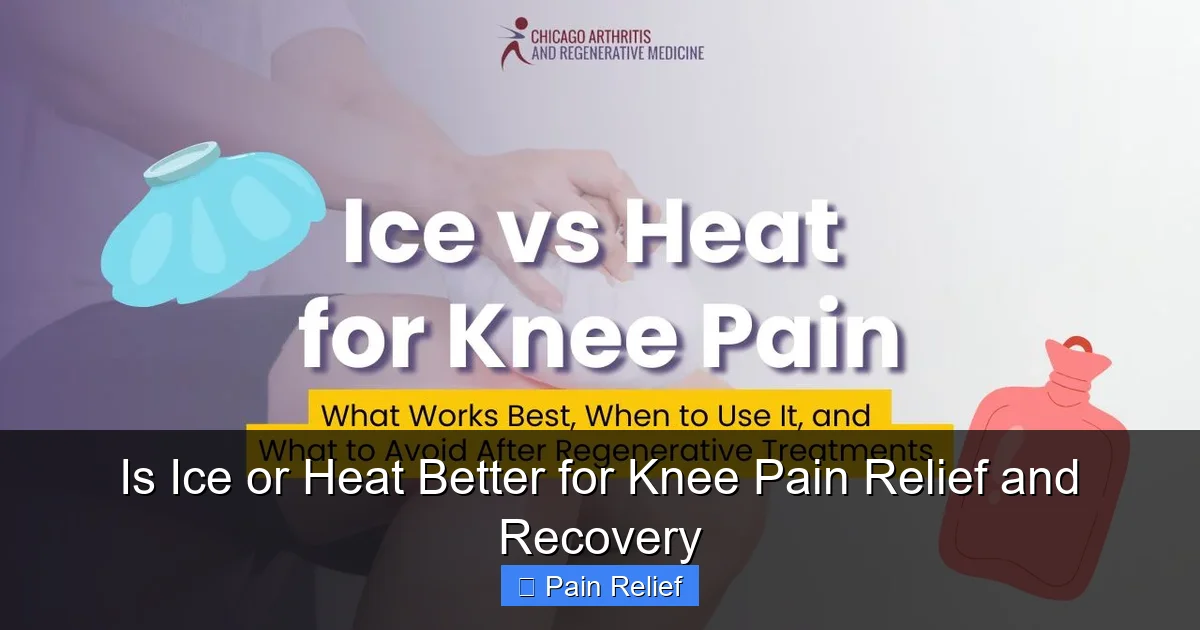
Ice is often recommended for acute injuries. It helps reduce swelling, numbs pain, and decreases inflammation. Here’s how to effectively use ice for knee pain relief:
Visual guide about Is Ice or Heat Better for Knee Pain Relief and Recovery
Image source: chicagoarthritis.com
Step 1: Prepare the Ice Pack
You can use a commercial ice pack, a bag of frozen peas, or make your own by wrapping ice cubes in a towel. Avoid direct contact with the skin to prevent ice burns.
Step 2: Apply Ice to the Affected Area
Place the ice pack on the knee for 15-20 minutes. Make sure to elevate your leg to further reduce swelling.
Step 3: Repeat as Necessary
You can apply ice every hour, especially in the first 48 hours after an injury. This will help manage pain and swelling effectively.
When to Use Heat
Heat is ideal for chronic pain, muscle stiffness, or tension. It promotes blood flow and helps relax tight muscles. Here’s how to use heat properly:
Step 1: Choose Your Heat Source
You can use a heating pad, warm towel, or take a warm bath. Ensure the heat source is warm, not hot, to prevent burns.
Step 2: Apply Heat to the Knee
Place the heat source on your knee for 15-20 minutes. This helps increase circulation and alleviate stiffness.
Step 3: Monitor Your Comfort Level
Always listen to your body. If the heat feels too intense, remove it immediately. Heat therapy can be done multiple times throughout the day.
Combining Ice and Heat
Sometimes, alternating between ice and heat can provide the best relief. This method can help manage both swelling and stiffness effectively. Here’s a simple protocol:
Step 1: Start with Ice
Apply ice for 15-20 minutes to reduce swelling if your knee is inflamed.
Step 2: Switch to Heat
After icing, wait for about an hour, then apply heat for 15-20 minutes to help relax the muscles around the knee.
Step 3: Repeat as Needed
You can alternate between ice and heat several times a day, depending on your symptoms.
Practical Tips for Effective Pain Management
- Maintain a Regular Schedule: Consistency is crucial. Set reminders to apply ice or heat to ensure you stay on track.
- Use Protective Barriers: Always use a cloth between the ice or heat source and your skin to prevent burns or frostbite.
- Stay Hydrated: Proper hydration can support joint health and recovery.
- Incorporate Gentle Movement: While ice and heat are helpful, gentle exercises can promote healing and flexibility.
Troubleshooting Common Issues
If you experience discomfort while using ice or heat, consider these troubleshooting tips:
Problem: Skin Irritation
If your skin feels irritated or burns, remove the ice or heat source immediately and allow your skin to cool down or return to normal temperature.
Problem: Increased Pain
If you notice that your pain intensifies after using ice or heat, stop the treatment and consult a healthcare professional for further guidance.
Conclusion
Deciding between ice or heat for knee pain relief ultimately depends on the nature of your pain. Ice is effective for acute injuries, while heat works well for chronic pain and stiffness. Remember to listen to your body and adjust your approach as necessary. If your pain persists, it’s always wise to consult with a healthcare provider for personalized advice. With the right methods in place, you can find relief and support your knee recovery.
🎥 Related Video: Heat vs Ice for Injuries, Pain and Treatment
📺 Nurse Sarah Jeffries
Sarah Jeffries shares which one is the best – heat vs ice for injuries, pain relief and treatment. Both ice and heat could be amazing …