Are you tired of living with joint pain every day? This guide explains the common causes of chronic joint discomfort, practical management tips, and when to seek medical help. We provide insights into lifestyle changes, exercises, and treatments that can make a difference.
Key Takeaways
- Point 1: Chronic joint pain can stem from various causes, including arthritis, injuries, and lifestyle factors.
- Point 2: Understanding the symptoms associated with joint pain can help in identifying the underlying issue.
- Point 3: Regular exercise and maintaining a healthy weight play crucial roles in joint health.
- Point 4: Over-the-counter medications can provide temporary relief, but a long-term strategy is essential.
- Point 5: Dietary changes, including anti-inflammatory foods, may help reduce joint pain.
- Point 6: Seeking professional medical advice is crucial if your pain persists or worsens.
- Point 7: Stress management techniques can also contribute to reducing pain perception.
Understanding Why Do My Joints Hurt All the Time Every Day
Joint pain can be a frustrating and debilitating condition. If you find yourself asking, “Why do my joints hurt all the time?”, you’re not alone. Many people experience joint discomfort daily, and understanding the reasons behind it can be the first step toward managing the pain effectively. In this guide, we will explore the common causes of joint pain, practical tips for relief, and when to seek professional help.
Step 1: Identifying the Causes of Joint Pain
The first step in tackling joint pain is understanding what might be causing it. Here are some common culprits:

Visual guide about Understanding Why Do My Joints Hurt All the Time Every Day
Image source: askthenurseexpert.com
1. Arthritis
One of the most prevalent causes of chronic joint pain is arthritis, which includes osteoarthritis and rheumatoid arthritis. Osteoarthritis occurs when cartilage breaks down, leading to pain and stiffness. Rheumatoid arthritis is an autoimmune condition that causes inflammation in the joints.
2. Injuries and Overuse
Previous injuries, such as sprains or fractures, can lead to joint pain even years after the injury occurred. Additionally, repetitive movements or overuse can strain the joints, causing discomfort.
3. Lifestyle Factors
Obesity and a sedentary lifestyle can contribute significantly to joint pain. Extra weight puts additional stress on weight-bearing joints like the knees and hips.
4. Age
As we age, our joints naturally undergo wear and tear. This can lead to a higher likelihood of joint pain, particularly in older adults.
5. Other Medical Conditions
Conditions such as lupus, gout, and fibromyalgia can also manifest in joint pain. It’s important to consider your overall health status when evaluating joint discomfort.
Step 2: Evaluating Your Symptoms
Once you have pinpointed potential causes of your joint pain, the next step is to assess your symptoms:
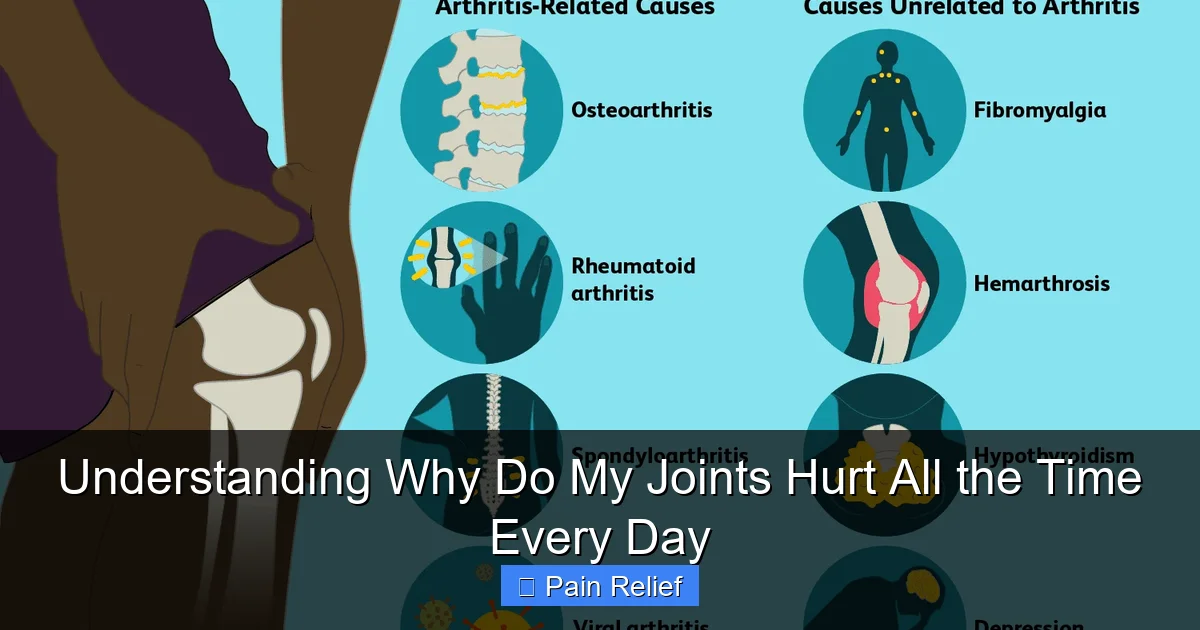
Visual guide about Understanding Why Do My Joints Hurt All the Time Every Day
Image source: verywellhealth.com
1. Location of Pain
Where does it hurt? Is it localized to one joint or multiple joints? Understanding the location can help in identifying the cause.
2. Type of Pain
Is the pain sharp, dull, or throbbing? Does it worsen with movement or rest? Documenting these details can be helpful for healthcare providers.
3. Duration and Frequency
How long have you been experiencing this pain? Is it constant or intermittent? Tracking the duration and frequency can provide insight into the severity of your condition.
Step 3: Implementing Practical Tips for Relief
Now that you understand the possible causes and symptoms of your joint pain, here are some effective strategies for relief:
1. Maintain a Healthy Weight
Reducing excess weight can significantly lessen the strain on your joints. Aim for a balanced diet rich in fruits, vegetables, lean proteins, and whole grains.
2. Stay Active
Engaging in low-impact exercises like swimming, walking, or cycling can improve joint function and reduce pain. Strength training can also help by building muscle around the joints, providing better support.
3. Use Over-the-Counter Medications
Nonsteroidal anti-inflammatory drugs (NSAIDs) such as ibuprofen or naproxen can provide temporary relief from pain and inflammation. Always follow the dosage recommendations on the label.
4. Apply Heat or Cold
Using a heating pad can help relax stiff joints, while cold packs can reduce swelling and numb sharp pain. Experiment to see which method works best for you.
5. Explore Dietary Changes
Incorporating anti-inflammatory foods like fatty fish, nuts, and leafy greens can help reduce joint pain over time. Avoiding processed foods and sugars may also be beneficial.
6. Consider Physical Therapy
A physical therapist can create a personalized exercise program to improve your joint health and mobility. They can also teach you proper techniques to prevent further injury.
Step 4: When to Seek Professional Help
If your joint pain persists despite implementing these strategies, it may be time to consult a healthcare professional. Here are some indicators that you should seek medical advice:
1. Severe Pain
If your pain is severe and interferes with your daily activities, it’s essential to get a professional evaluation.
2. Swelling and Inflammation
Swollen joints can indicate an underlying issue that may require treatment.
3. Reduced Range of Motion
If you notice a significant decrease in your ability to move a joint, seeking medical advice is crucial.
4. Fever or Rash
Accompanying symptoms like fever or rash may indicate an infection or autoimmune condition that needs urgent attention.
Step 5: Exploring Alternative Therapies
In addition to conventional treatments, you may consider alternative therapies to complement your pain management strategy:
1. Acupuncture
This ancient Chinese practice involves inserting thin needles into specific points on the body, which may help relieve pain.
2. Massage Therapy
Regular massage can improve circulation and alleviate tension in muscles surrounding painful joints.
3. Mindfulness and Relaxation Techniques
Practices like yoga, meditation, and deep breathing can help manage stress and improve your overall pain perception.
Conclusion
Understanding why your joints hurt all the time every day is the first step toward finding relief. By identifying the causes, evaluating your symptoms, and implementing practical strategies, you can take control of your joint health. Remember, it’s crucial to consult with a healthcare professional if your pain persists. With the right approach, you can manage your discomfort and enjoy a more active, fulfilling life.
🎥 Related Video: What Causes Joint Pain? What are the Most Common Causes?
📺 Norton Healthcare
Dr. Wu, Norton Orthopedic Institute, shares some of the most common causes of joint pain for adults including: arthritis, injuries, …