Understanding when arthritis starts is crucial for early intervention. This guide covers the early signs of arthritis, risk factors, and effective pain relief strategies to help manage symptoms.
Key Takeaways
- Point 1: Arthritis can begin at any age, but it commonly starts in middle age.
- Point 2: Early signs include joint pain, stiffness, and swelling.
- Point 3: Genetic factors and lifestyle choices can increase the risk of developing arthritis.
- Point 4: Regular exercise and a healthy diet can help manage symptoms.
- Point 5: Seeking early medical advice can lead to better outcomes and pain management.
- Point 6: There are various treatments available, including medications and physical therapy.
- Point 7: Understanding your body and being proactive is key to managing arthritis effectively.
When Does Arthritis Start: Understanding the Early Signs
Arthritis is a common condition that affects millions of people worldwide. It can significantly affect your quality of life, making simple tasks challenging. In this guide, we will explore when arthritis starts, the early signs to watch for, and how you can manage symptoms effectively. By understanding these factors, you can take proactive steps to maintain your health and comfort.
What is Arthritis?
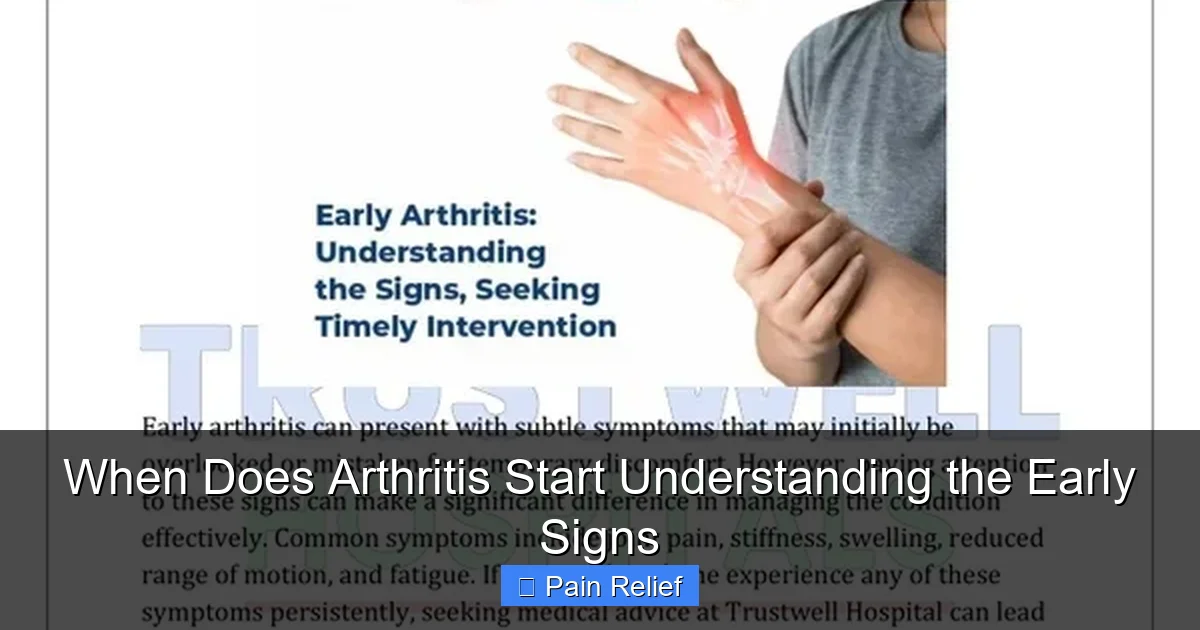
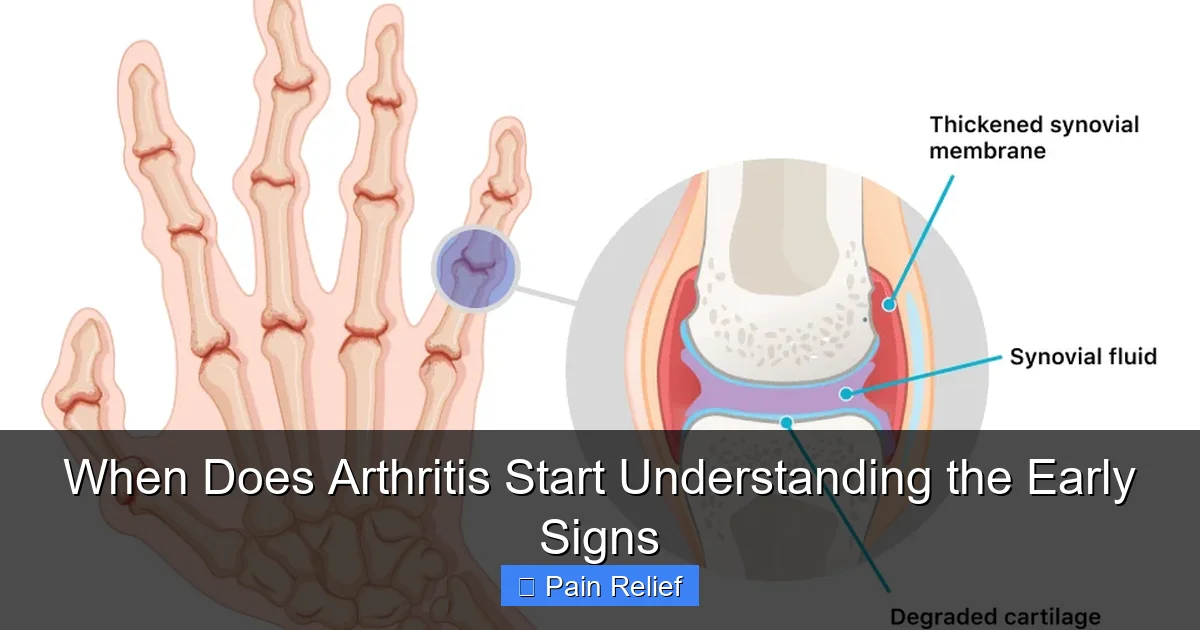
Arthritis refers to inflammation of the joints and is not a single disease. There are over 100 types of arthritis, with osteoarthritis and rheumatoid arthritis being the most prevalent. Osteoarthritis is typically caused by wear and tear on the joints, while rheumatoid arthritis is an autoimmune disorder where the body attacks its own joint tissues. Understanding the differences can help you recognize early warning signs.
Visual guide about When Does Arthritis Start Understanding the Early Signs
Image source: cdn7.slideserve.com
When Does Arthritis Start?
Arthritis can begin at any age, but it is more commonly diagnosed in middle-aged and older adults. However, certain types, like juvenile arthritis, can affect children. Factors such as genetics, lifestyle, and previous joint injuries can play a significant role in the onset of arthritis.
Visual guide about When Does Arthritis Start Understanding the Early Signs
Image source: drugwatch.com
Age Factors
Most people start experiencing symptoms of arthritis around their 40s or 50s. However, it’s essential to note that early signs can appear in your 20s or 30s, particularly in those predisposed to autoimmune conditions.
Genetics and Family History
If you have a family history of arthritis, you may be at a higher risk of developing the condition. Genetic markers can be a precursor for certain types of arthritis, highlighting the importance of awareness if arthritis runs in your family.
Recognizing Early Signs of Arthritis
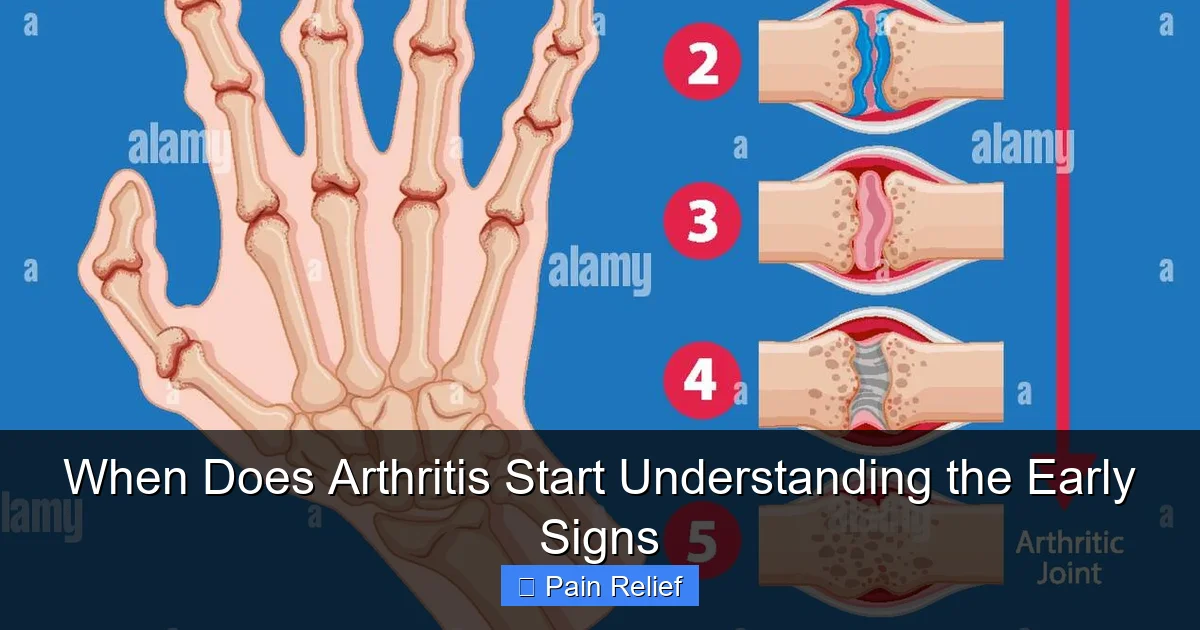
Being aware of the early symptoms can help you seek treatment sooner, which can improve your quality of life. Here are the common signs to look out for:
Visual guide about When Does Arthritis Start Understanding the Early Signs
Image source: c8.alamy.com
Joint Pain
One of the first signs of arthritis is persistent joint pain. This pain may be sharp or dull and can fluctuate in intensity. It often worsens with activity and improves with rest.
Stiffness
Joint stiffness, especially in the morning or after periods of inactivity, is another common early symptom. This stiffness can last for several minutes to hours and may make movement difficult.
Swelling and Inflammation
Swollen joints, which may feel warm to the touch, are a clear indication of inflammation. This swelling is often accompanied by redness around the joint and can limit your range of motion.
Fatigue
Many people with arthritis report feeling unusually tired. Fatigue can result from chronic pain and inflammation, which may affect your overall energy levels.
Taking Action: When to See a Doctor
If you experience any of the early signs mentioned above, it’s essential to consult a healthcare professional. Early diagnosis can lead to more effective management of the condition.
What to Expect at Your Appointment
- Medical History: Your doctor will ask about your symptoms, family history, and any previous joint injuries.
- Physical Examination: A physical exam will help your doctor assess joint swelling, range of motion, and pain levels.
- Diagnostic Tests: Blood tests or imaging studies like X-rays may be ordered to confirm a diagnosis.
Managing Arthritis Symptoms
Once diagnosed, there are several strategies you can implement to manage arthritis symptoms effectively:
Medications
Over-the-counter medications like ibuprofen or acetaminophen can help relieve pain and reduce inflammation. Your doctor may also prescribe stronger medications or disease-modifying antirheumatic drugs (DMARDs) for more severe cases.
Physical Therapy
Working with a physical therapist can help you develop a tailored exercise plan that improves strength and flexibility without exacerbating symptoms. They can also teach techniques to protect your joints.
Exercise
Staying active is crucial for those with arthritis. Low-impact exercises such as swimming, cycling, and walking can help maintain joint function and overall health. Regular exercise can also alleviate stiffness and improve mood.
Diet and Nutrition
A balanced diet rich in omega-3 fatty acids, antioxidants, and anti-inflammatory foods can help manage symptoms. Foods like fish, nuts, leafy greens, and berries are excellent choices.
Alternative Therapies
Some people find relief through alternative therapies such as acupuncture, massage, or yoga. These methods can help reduce stress, improve mobility, and enhance overall well-being.
Practical Tips for Living with Arthritis
- Listen to Your Body: Pay attention to how your joints feel and adjust activities accordingly.
- Stay Hydrated: Drinking plenty of water can help maintain joint lubrication.
- Use Assistive Devices: Consider using tools like grab bars, canes, or ergonomic utensils to reduce strain on your joints.
- Rest and Recovery: Ensure you have adequate rest periods throughout the day to avoid overexertion.
Troubleshooting Common Issues
It’s common to encounter challenges when managing arthritis. Here are some common issues and solutions:
Pain Flare-Ups
If you experience sudden increases in pain, consider adjusting your activity level and incorporating more rest. Applying heat or cold therapy can also provide immediate relief.
Difficulty with Daily Activities
If everyday tasks become challenging, don’t hesitate to seek help from family or professionals. Occupational therapy can provide strategies to make tasks easier.
Conclusion
Understanding when arthritis starts and recognizing early signs are vital steps in managing this condition. Early intervention can lead to better outcomes and improved quality of life. By staying informed and proactive, you can navigate the challenges of arthritis and maintain your independence. Remember, you are not alone, and effective pain relief strategies are available to help you live your best life.
🎥 Related Video: Top Symptoms of Rheumatoid Arthritis? [Stage 1 Early Signs of RA]
📺 Michigan Foot Doctors
We review stage 1 early rheumatoid arthritis in hands and feet? What is rheumatoid arthritis, what is rheumatoid arthritis, …