In this guide, you will learn about the first signs of arthritis in fingers and how to recognize them early. Understanding these symptoms can lead to timely treatment and effective pain relief, improving your quality of life.
Key Takeaways
- Point 1: Early symptoms like stiffness and swelling can indicate arthritis in fingers.
- Point 2: Observing changes in grip strength is essential for early detection.
- Point 3: Joint pain that worsens with activity is a common sign of arthritis.
- Point 4: Regular hand exercises can help manage symptoms and improve mobility.
- Point 5: Seeking medical advice early can lead to better treatment options.
- Point 6: Lifestyle changes, such as diet and exercise, can alleviate symptoms.
- Point 7: Recognizing family history can help assess your risk of developing arthritis.
Understanding What Are the First Signs of Arthritis in Fingers
Arthritis is a common condition that can affect people of all ages. When it comes to your fingers, recognizing the first signs of arthritis is crucial for effective management and treatment. In this guide, we will explore the early symptoms of arthritis in fingers, step-by-step ways to identify them, and practical tips for managing pain and improving mobility.
Step 1: Recognizing Early Symptoms
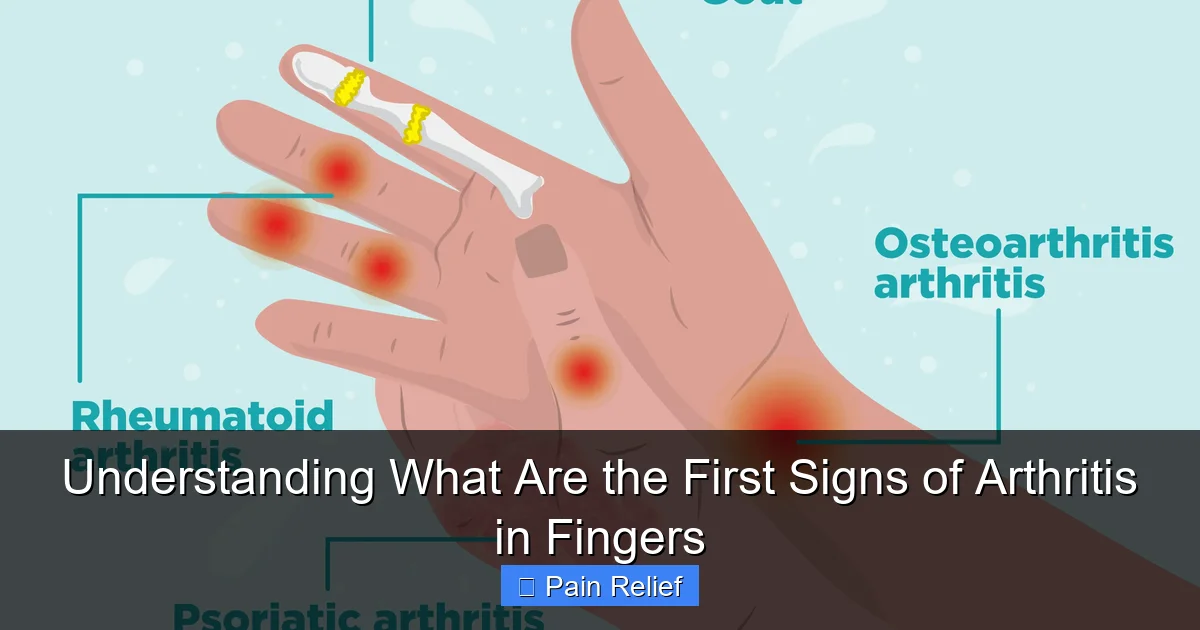
The journey to understanding arthritis starts with recognizing the signs. The sooner you notice the symptoms, the sooner you can seek help.
Visual guide about Understanding What Are the First Signs of Arthritis in Fingers
Image source: creakyjoints.org
1. Joint Stiffness
One of the first signs of arthritis in fingers is joint stiffness. This stiffness often occurs in the morning or after periods of inactivity. You might find it hard to move your fingers or perform simple tasks like opening a jar.
- Tip: Pay attention to how your fingers feel after waking up or sitting for a long time. If you notice stiffness that lasts more than 30 minutes, it’s time to consult a doctor.
2. Swelling and Inflammation
Swelling around the joints is another early sign. You may notice that your fingers look puffy, and the skin around the joints may feel warm to the touch. This inflammation can be a reaction to arthritis.
- Tip: Take note of any changes in your fingers’ appearance, especially after activity. Swelling that doesn’t go down after resting could indicate arthritis.
Step 2: Observing Changes in Grip Strength
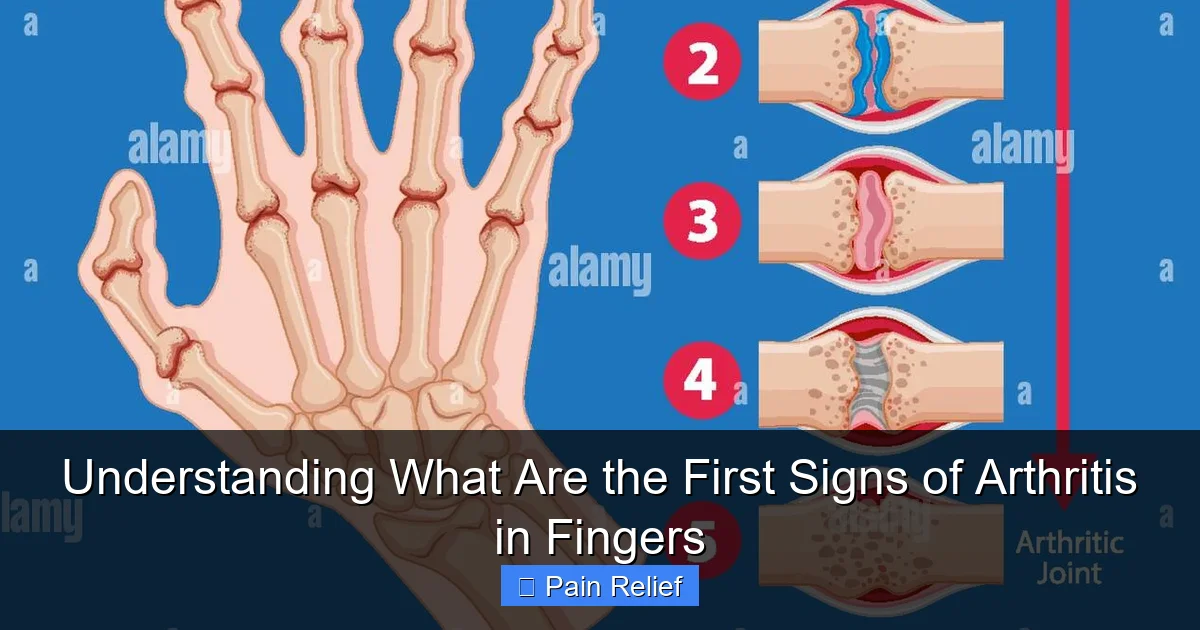
A decrease in grip strength is often overlooked, but it can be an important sign of arthritis.
Visual guide about Understanding What Are the First Signs of Arthritis in Fingers
Image source: c8.alamy.com
1. Difficulty Holding Objects
If you find it challenging to hold items like a pen or a coffee cup, it may be time to evaluate your hand health. Arthritis can cause pain and weakness, making everyday tasks difficult.
- Tip: Test your grip strength by squeezing a stress ball. If it’s painful or difficult, consider seeing a healthcare professional.
2. Pain with Movement
Joint pain that worsens with movement is typical of arthritis. If you feel discomfort when making a fist or bending your fingers, it’s a sign that you should not ignore.
- Tip: Keep a journal of your symptoms. Note when the pain occurs and what activities trigger it to help you and your doctor identify patterns.
Step 3: Identifying Joint Pain Patterns
Understanding how and when your pain occurs can help in diagnosing arthritis.
1. Pain After Activity
Experiencing pain after using your hands for tasks like typing or crafting can indicate arthritis. This pain usually subsides with rest but recurs with activity.
- Tip: If you notice a consistent pattern of pain linked to specific activities, make a note of it for your doctor’s appointment.
2. Persistent Pain
If you have persistent joint pain that does not go away with over-the-counter pain relievers, this could be a sign of arthritis.
- Tip: Consult with a healthcare provider if the pain lasts longer than a few days and doesn’t improve with rest or medication.
Step 4: Recognizing Other Symptoms
Aside from joint issues, arthritis can present other symptoms as well.
1. Fatigue and General Malaise
Many people with arthritis report feeling unusually tired or unwell. This fatigue can accompany physical symptoms and may impact your daily activities.
- Tip: Monitor your energy levels and talk to your doctor if you frequently feel fatigued without a clear reason.
2. Changes in Nail Health
Sometimes, changes in your nails, such as pitting or ridges, can indicate underlying health issues, including arthritis.
- Tip: Be observant of your nails’ appearance. If you notice significant changes along with finger pain, consult a specialist.
Step 5: Seeking Medical Advice
If you notice any of the signs mentioned above, it’s essential to seek medical advice promptly.
1. What to Expect During Your Visit
Your doctor will likely ask about your symptoms, medical history, and may perform physical exams or imaging tests like X-rays.
- Tip: Be prepared to discuss your symptoms in detail. Bring your journal if you’ve been tracking your pain and other signs.
2. Treatment Options
Early intervention can lead to more effective treatment options, including medication, physical therapy, or lifestyle changes.
- Tip: Discuss all available options with your healthcare provider to find the best approach for your specific condition.
Step 6: Managing Arthritis Symptoms at Home
There are several at-home strategies that can help manage symptoms and improve your quality of life.
1. Exercise Regularly
Incorporating gentle exercises, like stretching or yoga, can help maintain flexibility and reduce stiffness.
- Tip: Aim for at least 30 minutes of mild exercise several times a week. Consult with a physical therapist for tailored exercises.
2. Use Heat and Cold Therapy
Applying heat or cold to your fingers can provide relief. Heat can help relax and soothe stiff joints, while cold can reduce swelling and numb pain.
- Tip: Experiment with both methods to see what works best for you. Always wrap ice packs in a towel to avoid frostbite.
3. Maintain a Healthy Diet
A balanced diet rich in anti-inflammatory foods can help manage arthritis symptoms. Foods like fatty fish, nuts, seeds, fruits, and vegetables are excellent choices.
- Tip: Consider consulting a nutritionist to create a diet plan tailored to your needs.
Conclusion
Understanding the first signs of arthritis in fingers can significantly affect your quality of life. Early detection and intervention are key to managing symptoms effectively. By recognizing symptoms like stiffness, swelling, and pain, you can take proactive steps toward treatment. Don’t hesitate to seek medical advice if you notice these signs. Remember, you’re not alone on this journey, and there are many resources available to help you live a comfortable life.
🎥 Related Video: Arthritis Of The Fingers – Everything You Need To Know – Dr. Nabil Ebraheim
📺 nabil ebraheim
Dr. Ebraheim’s educational animated video describes the conditions of arthritis of the fingers Arthritis of the Fingers Diagnosing …