Learn simple, natural ways to relieve knee pain at home without medication or expensive treatments. This guide covers rest, ice, exercises, and daily habits to reduce discomfort and improve mobility fast.
Key Takeaways
- Rest and protect your knee: Avoid activities that worsen pain and use supportive gear like braces or compression sleeves.
- Apply ice and heat therapy: Ice reduces swelling; heat relaxes stiff muscles—use each for 15–20 minutes as needed.
- Do gentle knee exercises: Strengthening and stretching improve stability and reduce strain on the joint.
- Maintain a healthy weight: Extra pounds increase pressure on knees—even small weight loss helps.
- Wear supportive footwear: Shoes with good arch support and cushioning reduce knee stress during daily activities.
- Try natural anti-inflammatories: Turmeric, ginger, and omega-3s may help reduce inflammation and pain over time.
- Listen to your body: Persistent or severe pain needs medical attention—don’t ignore warning signs.
How to Relieve Knee Pain Fast and Naturally at Home
Knee pain affects millions of people—whether from injury, overuse, arthritis, or aging. The good news? You don’t always need pills or surgery to feel better. Many cases of knee pain can be relieved safely and effectively at home using natural, science-backed methods.
In this guide, you’ll learn step-by-step how to relieve knee pain fast using simple remedies, gentle exercises, and smart lifestyle changes. Whether your pain is mild or chronic, these tips can help you move more comfortably and get back to your daily routine.
Step 1: Rest and Protect Your Knee
The first step in relieving knee pain is giving your joint a break. Continuing to stress an injured or inflamed knee can make things worse.
Avoid High-Impact Activities
Skip running, jumping, or squatting if they cause pain. Instead, choose low-impact options like walking, swimming, or cycling—once the pain starts to improve.
Visual guide about How to Relieve Knee Pain Fast and Naturally at Home
Image source: i.pinimg.com
Use Supportive Gear
A knee brace or compression sleeve can stabilize the joint and reduce swelling. Look for one that’s comfortable and fits snugly without cutting off circulation. You can find affordable options online or at drugstores.
Elevate When Possible
When resting, prop your leg up on a pillow. This helps reduce swelling by allowing fluid to drain away from the knee.
Step 2: Use Ice and Heat Therapy
Ice and heat are two of the most effective natural tools for knee pain relief. Knowing when to use each is key.
Apply Ice for Acute Pain or Swelling
If your knee is swollen, stiff, or painful after activity, apply an ice pack for 15–20 minutes. Wrap it in a thin towel to protect your skin. Do this 2–3 times a day, especially within the first 48 hours of pain.
Visual guide about How to Relieve Knee Pain Fast and Naturally at Home
Image source: blog.subhashgoyal.in
Use Heat for Stiffness and Chronic Pain
If your knee feels stiff or achy—especially in the morning—use a heating pad or warm towel for 15–20 minutes. Heat increases blood flow and relaxes tight muscles around the joint.
Alternate for Best Results
Some people find relief by alternating ice and heat: 10 minutes of ice, then 10 minutes of heat. This can reduce inflammation while improving flexibility.
Step 3: Do Gentle Knee Exercises
Strong muscles support your knee joint. Weak quadriceps, hamstrings, and calves can increase strain and lead to pain.
Start with Simple Stretches
Try a seated hamstring stretch: Sit on the floor with one leg extended. Reach toward your toes. Hold for 20–30 seconds. Repeat 2–3 times per leg.
Strengthen Key Muscles
Do straight leg raises: Lie on your back, tighten your thigh muscle, and lift one leg 6–8 inches off the ground. Hold for 5 seconds, then lower slowly. Do 10–15 reps, 2–3 times a week.
Try Low-Impact Cardio
Once pain improves, add gentle movement. Walking on flat ground, using an elliptical, or swimming helps maintain joint mobility without impact.
Listen to Your Body
Never push through sharp pain. Mild discomfort is okay, but stop if it worsens. Consistency matters more than intensity.
Step 4: Maintain a Healthy Weight
Every extra pound puts 4 pounds of pressure on your knees. That means losing just 10 pounds can reduce knee stress by 40 pounds with each step.
Focus on Balanced Nutrition
Eat more whole foods—fruits, vegetables, lean protein, and whole grains. Avoid processed foods and sugary drinks that can increase inflammation.
Stay Hydrated
Water helps keep cartilage healthy and joints lubricated. Aim for 8 cups a day, more if you’re active.
Track Progress Gently
Use a food journal or app to monitor habits—not to obsess. Small, steady changes lead to lasting results.
Step 5: Wear Supportive Footwear
Your shoes affect your entire lower body, including your knees. Worn-out or unsupportive shoes can throw off your alignment and increase pain.
Choose Shoes with Good Arch Support
Look for shoes with firm midsoles and cushioning. Avoid flat shoes like flip-flops or worn sneakers.
Consider Orthotics
If you have flat feet or overpronation, custom or over-the-counter insoles can improve alignment and reduce knee strain.
Replace Shoes Regularly
Most shoes lose support after 300–500 miles of walking. Replace them every 6–12 months if you’re active.
Step 6: Try Natural Anti-Inflammatory Remedies
Some foods and supplements may help reduce inflammation and support joint health over time.
Add Turmeric to Your Diet
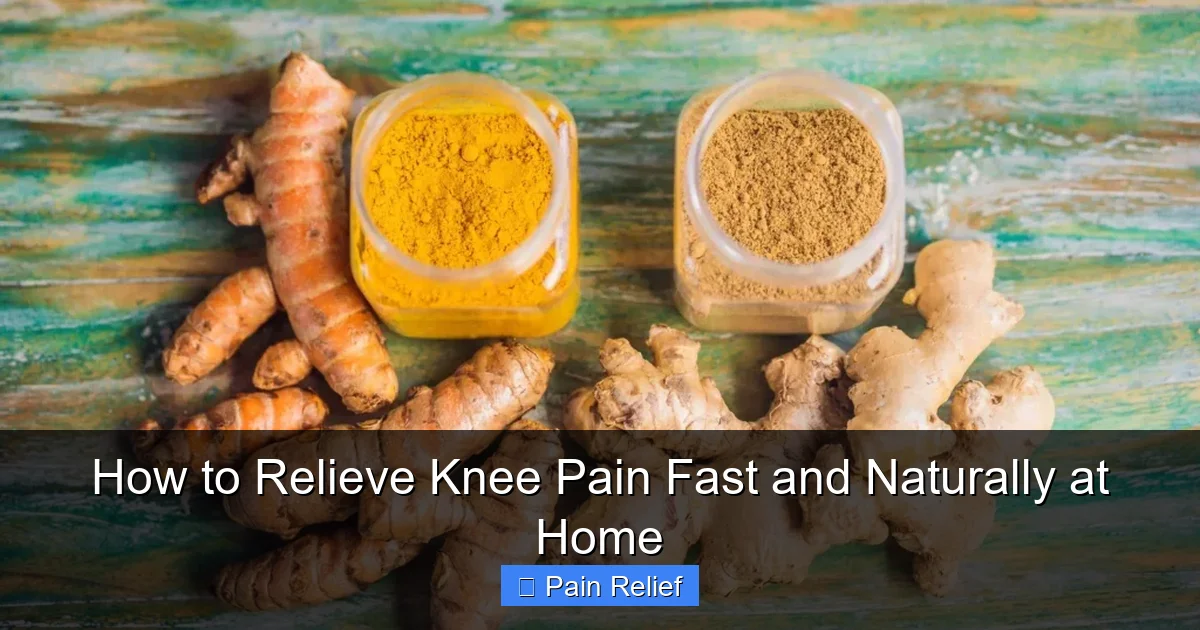
Curcumin, the active compound in turmeric, has strong anti-inflammatory effects. Add it to meals or try a warm turmeric milk (golden milk) before bed.
Eat More Omega-3s
Fatty fish like salmon, walnuts, and flaxseeds contain omega-3 fatty acids, which may reduce joint stiffness and pain.
Try Ginger Tea
Ginger has natural pain-relieving properties. Steep fresh ginger in hot water for 10 minutes and drink 1–2 cups daily.
Stay Consistent
These remedies work best over weeks, not days. Combine them with other steps for the best results.
Step 7: Improve Daily Habits
Small changes in how you move and live can make a big difference in knee health.
Use Proper Form When Lifting
Bend at the knees, not the waist. Keep the object close to your body and avoid twisting.
Take Breaks from Sitting
Get up every 30–60 minutes to stretch and walk. Prolonged sitting can stiffen the knees.
Sleep on Your Back or Side
Avoid sleeping on your stomach, which can strain the knees. Use a pillow between your legs if you sleep on your side.
Troubleshooting Common Issues
What if the Pain Gets Worse?
If your knee pain increases, swells significantly, or locks up, stop all home treatments and see a doctor. These could be signs of a serious injury like a torn ligament or advanced arthritis.
What if Exercises Hurt?
Modify movements or reduce intensity. Try water exercises, which reduce joint pressure. Always warm up before stretching.
How Long Until I See Improvement?
Most people notice relief within a few days to a week with consistent care. Chronic pain may take longer—up to 4–6 weeks.
Conclusion
Relieving knee pain fast and naturally is possible with the right approach. By resting your knee, using ice and heat, staying active with gentle exercises, maintaining a healthy weight, and making smart daily choices, you can reduce pain and improve mobility—without medication or surgery.
Remember, consistency is key. Small, daily efforts add up. And if pain persists or worsens, don’t hesitate to consult a healthcare professional. Your knees carry you through life—treat them with care.
🎥 Related Video: How to Relieve Knee Pain in Seconds #Shorts
📺 SpineCare Decompression and Chiropractic Center
Dr. Rowe shows an easy exercise that can give knee pain relief within seconds. This exercise will help traction open the knee, …